Who is Zhang Yimou? A Complete Biography, Career, and Legacy
Zhang Yimou is widely recognized as one of the most influential figures in modern Chinese cinema. As a filmmaker, actor, and visionary director, he has contributed significantly to the global recognition of Chinese films, making him a central figure among China’s celebrated “Fifth Generation” directors. From his early days in Shaanxi to international acclaim for masterpieces like Hero and Shadow, Zhang Yimou’s journey is both inspiring and fascinating.
Early Life and Background
Zhang Yimou (张艺谋) was born on 14 November 1950 in Xi’an, Shaanxi Province, China. His parents, Zhang Bing Jun and Zhang Xiao You, faced difficult times, especially due to political upheavals during the Cultural Revolution. His father’s association with the Nationalist army brought challenges to the family, influencing Zhang’s early life and instilling resilience that later reflected in his films.
Growing up, Zhang had an early interest in the arts and storytelling. Despite the challenges, he cultivated a deep appreciation for Chinese culture, folklore, and history, all of which became prominent themes in his later works.
Education and Training
Zhang’s formal education was interrupted by the Cultural Revolution, which caused widespread disruptions in schools across China. However, after the end of the Cultural Revolution, he enrolled at the prestigious Beijing Film Academy in 1978, graduating in 1982.
Zhang was part of the academy’s influential 1982 cohort, which later became known as China’s “Fifth Generation” directors. This generation sought to revolutionize Chinese cinema, blending traditional storytelling with modern techniques and global cinematic trends.
Career Beginnings
Zhang Yimou began his career as a cinematographer, working on films like Yellow Earth (1984), which became a cornerstone of the Fifth Generation movement. His cinematographic style, characterized by vivid colors, dramatic landscapes, and meticulous framing, soon caught the attention of critics and audiences alike.
He also dabbled in acting, appearing in films such as Old Well (1986). These early experiences gave him a comprehensive understanding of both the artistic and technical sides of filmmaking.
Directorial Debut and Rise to Fame
Zhang made his directorial debut with Red Sorghum (1987), starring Gong Li, who would become a frequent collaborator. The film won the Golden Bear at the Berlin International Film Festival, instantly propelling Zhang to international recognition.
Following this success, he directed critically acclaimed films such as Ju Dou (1990), Raise the Red Lantern (1991), and The Story of Qiu Ju (1992). These films often explored themes of human resilience, social injustice, and the complexities of Chinese society, earning him accolades and solidifying his reputation as a world-class director.
Major Films and Milestones
Zhang Yimou’s filmography spans several decades, combining art-house aesthetics with commercial appeal. Some of his most notable films include:
Red Sorghum (1987) – Directorial debut; won the Golden Bear at the Berlin Film Festival.
Ju Dou (1990) – A story of love and oppression; received international acclaim.
Raise the Red Lantern (1991) – A visual masterpiece highlighting social hierarchy and oppression.
The Story of Qiu Ju (1992) – A contemporary social drama exploring rural China.
To Live (1994) – Depicts ordinary people surviving China’s political upheavals.
Not One Less (1999) – Focuses on education and rural life.
The Road Home (1999) – A romantic, lyrical drama emphasizing love and tradition.
Hero (2002) – A wuxia epic; brought Chinese cinema global commercial success.
House of Flying Daggers (2004) – Visually stunning martial arts epic.
Curse of the Golden Flower (2006) – Lavish historical drama.
Shadow (2018) – A visually inventive return to martial arts and artful storytelling.
Full River Red (2023) – His latest film, acclaimed as a box-office success in Asia.
These films reflect Zhang’s ability to balance artistic vision with audience engagement, making him both a critical and commercial success.
Awards and Recognitions
Zhang Yimou’s work has earned him numerous awards and international recognition, including:
Golden Bear (Red Sorghum)
Golden Lion (Raise the Red Lantern)
Grand Jury Prize at Cannes (To Live)
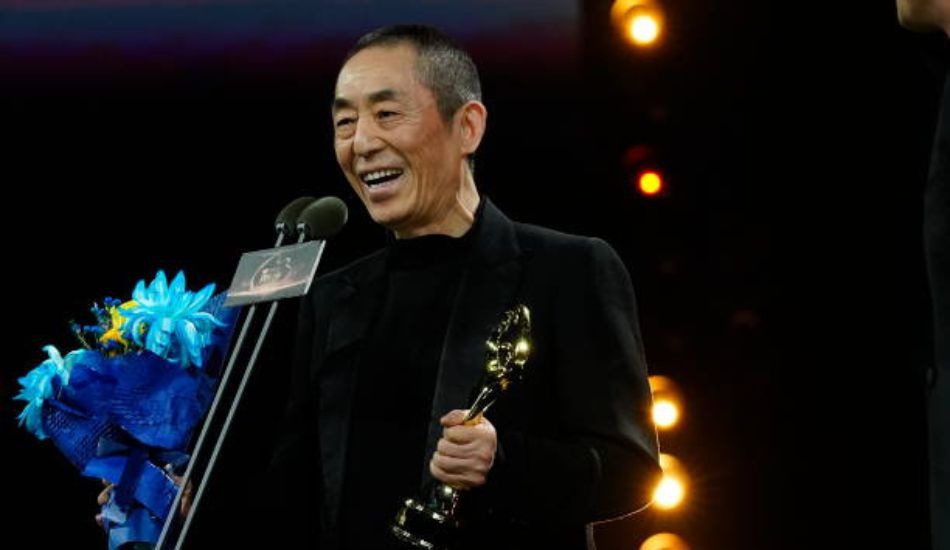
Lifetime Achievement Award at the Asian Film Awards (2024)
Honorary doctorates from Yale University and Boston University
These awards highlight his enduring influence on both Chinese and global cinema.
Personal Life
Zhang Yimou has had a complex personal life. He was married to Xiao Hua from 1978 to 1988 and has four children: Zhang Yi Jiao, Zhang Yi Ding, Zhang Mo, and Zhang Yi Nan. In 2011, he married Chen Ting.
Despite his international fame, Zhang maintains a private personal life, focusing on his family while continuing to contribute to the arts.
Signature Style and Legacy
Zhang Yimou is renowned for:
Vivid Cinematography – Masterful use of color, light, and composition.
Historical and Cultural Themes – Exploration of Chinese history, folklore, and social issues.
Visual Storytelling – Combining large-scale spectacle with intimate human drama.
He is considered a pioneer of modern Chinese cinema and is one of the most representative figures of China’s “Fifth Generation directors”. His films have not only influenced generations of filmmakers in China but have also brought Chinese stories to a global audience.
Zhang Yimou Young: Early Influence
As a young filmmaker, Zhang’s experiences during the Cultural Revolution shaped his vision. His early films focused on ordinary lives, rural hardships, and the resilience of the human spirit, reflecting the social realities of China at the time. This authenticity in storytelling is one reason his works resonate globally.
Pronunciation and International Recognition
For non-Chinese speakers, Zhang Yimou is pronounced as Zhāng Yìmóu, with a tonal emphasis that reflects Mandarin pronunciation. His international recognition has grown steadily, from film festivals to global box-office hits, establishing him as an ambassador of Chinese cinema.
Conclusion
Zhang Yimou’s career spans over four decades, combining artistry, storytelling, and cultural insight. From Red Sorghum to Full River Red, his films continue to captivate audiences worldwide, bridging the gap between traditional Chinese narratives and modern cinematic techniques. Beyond the silver screen, Zhang’s contributions to events like the 2008 Beijing Olympics have showcased his visionary talent to the world.
Today, Zhang Yimou remains a living legend, influencing a new generation of filmmakers while preserving China’s cinematic heritage. For more detailed profiles and updates on legendary figures in cinema, visit Thegoted.com.