
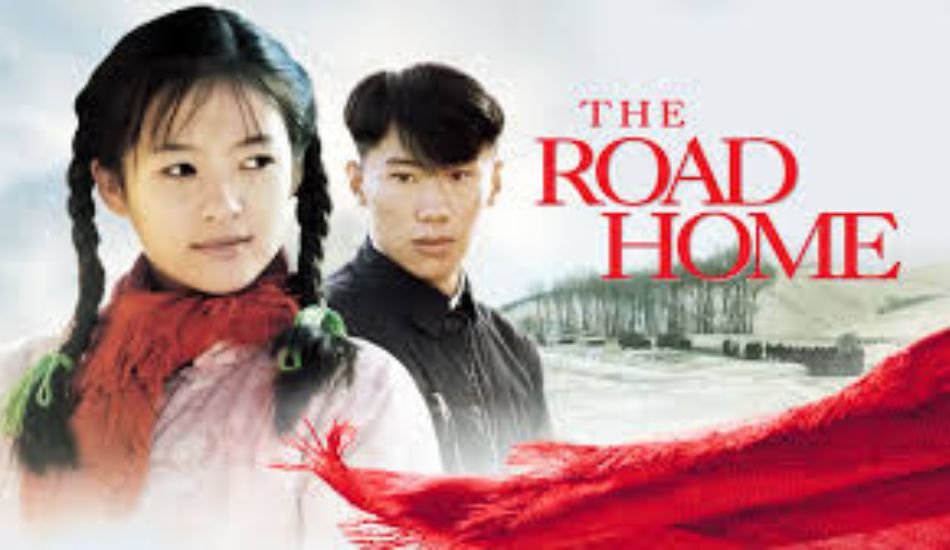
The Road Home — A Tender Tale of Love, Memory, and Tradition
The Road Home remains one of the most touching and visually poetic films by Zhang Yimou. Released in 1999, this Chinese romantic drama delicately captures the beauty of rural life, first love, and the reverence for tradition. Its simple story, lyrical imagery, and emotional depth have made it a timeless classic for both domestic and international audiences. In this article, we explore The Road Home’s story, production, cast, themes, reception, availability, and why it still resonates today.
Basic Facts: What Is The Road Home
Original Title (Chinese): 我的父亲母亲 (Wǒ de fùqin mǔqin) — meaning “My Father and Mother.”
English / International Title: The Road Home
Year of Release: 1999
Director: Zhang Yimou
Screenplay / Source: Written by Bao Shi, adapted from his novel Remembrance
Music (Soundtrack): Composed by San Bao
Cinematography: Hou Yong
Runtime: Approximately 89 minutes
Language: Mandarin / Chinese
Studio / Distributor: Guangxi Film Studios, Columbia Pictures Film Production Asia; international distribution via Sony Pictures Classics
The film also marked the cinematic debut of Zhang Ziyi, who plays the young female lead, Zhao Di.
Story & Plot: Love, Honor, and Memory
The Road Home tells a story that moves between present and past, blending grief, nostalgia, love, and tradition.
Modern-day Frame: In 1999, Luo Yusheng returns from the city to his rural hometown after hearing of his father’s sudden death. His mother insists that her husband’s coffin be carried back to their native village on foot, following an old custom that ensures “the spirit will remember its way home.”
Flashback to Youth & First Love: As Yusheng narrates, the film shifts to the late 1950s, telling the story of his parents. Zhao Di, a village girl, falls in love with the new schoolteacher, Luo Changyu. Their courtship is gentle, filled with shy glances, small gestures, and quiet longing. Their love is simple but sincere, reflecting the beauty of rural life.
Tragedy & Loyalty: Their relationship faces obstacles when the teacher is called away to the city by government orders. Despite the separation, Zhao Di waits faithfully for him, demonstrating patience, devotion, and resilience.
Return & Respect: Years later, upon the father’s death, the son’s return and the mother’s insistence on tradition trigger a display of communal solidarity. Over a hundred villagers volunteer to carry the coffin back home without compensation, reflecting respect, community bonds, and shared heritage. The son also spends a day teaching in his father’s old schoolhouse, symbolically continuing his father’s legacy.
This blending of present grief and past romance, along with the visual contrast between black-and-white modern sequences and rich, warm flashbacks, gives The Road Home a lyrical, nostalgic tone. It becomes more than a love story; it is a meditation on love, memory, roots, and cultural values.
Cast & Characters
The film features a cast that brings warmth and sincerity to the story:
Zhang Ziyi as young Zhao Di, the village girl who falls in love with the new teacher. This was her cinematic debut.
Sun Honglei as Luo Yusheng, the grown son narrating the story and returning to the village.
Zheng Hao as Luo Changyu, the teacher from the city who becomes Zhao Di’s love interest.
Zhao Yulian as the older Zhao Di in present-day sequences.
Li Bin as the grandmother, adding depth to the family dynamic.
The performances are understated and naturalistic, serving the story’s emotional honesty and the film’s nostalgic tone. Zhang Ziyi’s expressive debut performance drew particular praise.
Themes & Artistic Style: What Makes The Road Home Special
The Road Home stands out for how it combines simplicity with emotional depth. Some key elements include:
Love Over Tradition: The romance between Zhao Di and Luo Changyu thrives on modest gestures and quiet affection rather than grand declarations. Their pure, slow-building love contrasts with societal expectations of arranged marriages at the time.
Memory & Nostalgia: The shift from black-and-white present-day scenes to colorful flashbacks represents memory and longing. This visual approach emphasizes how nostalgia imbues everyday moments with meaning.
Respect, Community, and Tradition: The act of carrying the coffin on foot reflects reverence for ancestors and cultural traditions. Villagers volunteering without pay underlines communal values and shared heritage.
Education & Legacy: The son teaching in his father’s schoolhouse at the end symbolizes continuity, respect for knowledge, and generational connection.
Simplicity & Purity: The film avoids extravagant spectacle, relying instead on quiet storytelling. This restraint gives it universal appeal.
Reception, Awards & Legacy
From its release, The Road Home received widespread acclaim. Its emotional depth, cinematic beauty, and cultural resonance earned it numerous awards:
The film was recognized as one of China’s best films of 1999 at domestic film awards.
It won the Silver Bear – Jury Grand Prix and the Prize of the Ecumenical Jury at the 2000 Berlin International Film Festival.
Critics praised the film for its simple yet moving story, tender performances, and beautiful cinematography. Many describe it as “heartwarming” and “poetic.”
Audiences continue to appreciate its universal themes, which resonate across generations.
The film’s legacy is significant: it introduced Zhang Ziyi to global audiences, solidified Zhang Yimou’s reputation as a master of rural Chinese storytelling, and inspired filmmakers exploring themes of love, memory, and tradition.
Availability & Where to Watch
The Road Home is available on streaming platforms, including Netflix (availability varies by region). It can also be found via digital purchase or rental, as well as on DVD through international distributors.
Soundtrack & Musical Mood
The soundtrack, composed by San Bao, enhances the film’s emotional resonance. Using gentle, folk-inspired melodies and traditional Chinese instruments, the music emphasizes romance, nostalgia, and rural simplicity. The recurring motifs and melancholic tones complement the visual storytelling, creating an immersive experience that evokes longing, love, and memory.
Clarifications About The Road Home
Because the title is shared by other works, it is important to note:
This is not a TV series; it is a feature film from 1999 with a runtime of about 89 minutes.
The film’s source novel is called Remembrance, not The Road Home.
It is not a modern urban drama or soap opera; it reflects rural China, traditional customs, and past generational values.
Why The Road Home Still Resonates
Even decades later, The Road Home remains relevant. Its themes of love, memory, tradition, and respect for one’s roots are universal. The film’s simplicity and emotional honesty have allowed it to transcend cultural and temporal boundaries.
For viewers, it evokes nostalgia for simpler times, reverence for heritage, and belief in quiet, sincere love. Its poetic visual style, heartfelt performances, and thoughtful exploration of past and present make it timeless.
Whether you are a newcomer to Chinese cinema or revisiting classics, The Road Home is a must-watch — a cinematic meditation on love, family, memory, and the journey back home.