SoHo Manhattan: History, Architecture, Shopping, and Unique Things to Do
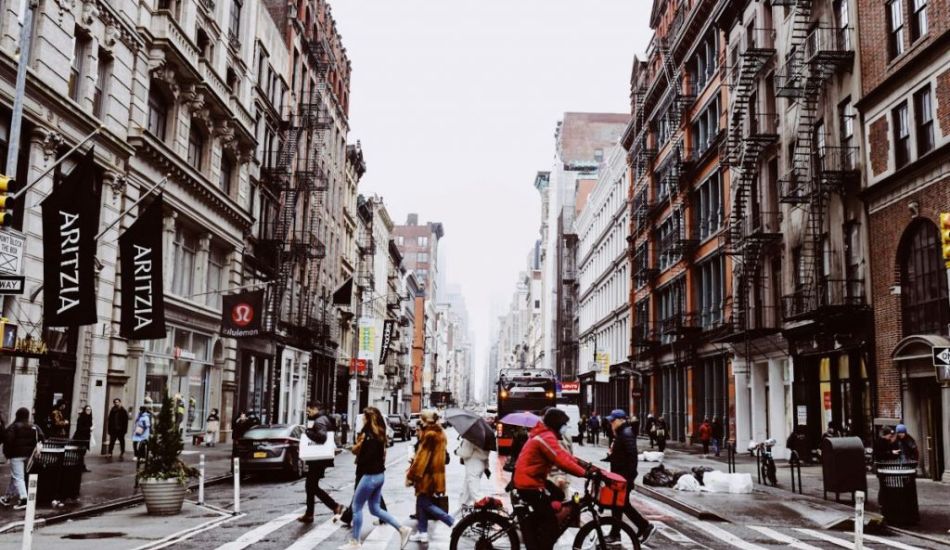
SoHo, Manhattan, is one of New York City’s most iconic neighborhoods, renowned for its cast-iron architecture, vibrant shopping scene, creative energy, and rich cultural history. Despite covering just 73 acres, it is home to a dense population of approximately 46,426 people per square mile (cityspg.com), making it one of Manhattan’s most bustling and desirable areas. Its location in the borough of Manhattan, with coordinates 40°43′23″N, 74°00′00″W (or 40.723°N, 74.000°W), places it in the heart of Lower Manhattan, south of Houston Street — which is the origin of its name, “South of Houston Street”.
This article explores SoHo’s architectural charm, history, dining and shopping options, things to do, and comparisons to London’s Soho, offering a comprehensive guide to this vibrant neighborhood.
A Brief History of SoHo Manhattan
Originally an industrial area, SoHo was filled with warehouses, factories, and manufacturing facilities in the 19th and early 20th centuries. The SoHo–Cast Iron Historic District, established in 1973, preserves its Renaissance, Italianate, and some Federal-style buildings, many of which feature iconic cast-iron façades. These buildings were initially used for manufacturing but became ideal for artists seeking large loft spaces in the mid-20th century.
During the 1960s and 1970s, artists and creatives moved in, attracted by affordable rents and open floor plans. This transformation helped establish SoHo as a hub for art, culture, and innovation. Over time, the neighborhood gentrified, blending luxury retail, high-end residential lofts, and the preservation of its historic architecture.
The SoHo Memory Project documents this evolution, highlighting the area’s transformation from industrial zone to artist enclave and finally into a global cultural and shopping destination.
Architecture and Historic Character
SoHo is globally recognized for its cast-iron buildings, which remain rare and historically significant. The neighborhood’s architecture includes:
Renaissance Style: Featuring symmetry, columns, and decorative details.
Italianate Style: Characterized by tall windows, elaborate cornices, and ornamental brackets.
Federal Style: Less common, with simpler, elegant façades.
Many of SoHo’s streets retain Belgian block paving, adding to the neighborhood’s historic charm. Its buildings, numbering around 500 in the landmarked district, are protected by preservation laws, ensuring that the architectural integrity remains intact even as new development occurs.
Population and Community
SoHo is one of Manhattan’s most densely populated neighborhoods. While its residential population is smaller compared to larger districts, it experiences significant daily influxes from visitors, shoppers, and workers. Its mixed-use character — combining residential, retail, and office space — makes it a vibrant urban environment.
SoHo vs. NoHo
SoHo borders NoHo, or “North of Houston Street,” which lies immediately to the north. While both neighborhoods share historical significance and architectural beauty, SoHo is more widely recognized for its cast-iron architecture and high-end shopping, whereas NoHo maintains a quieter, residential feel with boutique shops and cultural institutions.
Shopping in SoHo Manhattan
SoHo is a shopping mecca in New York City, attracting locals and tourists alike. Highlights include:
Luxury Boutiques: Flagship stores of global designers and luxury brands.
Independent Shops: Unique, concept-driven stores offering fashion, home goods, and art.
Art Galleries: Contemporary galleries display works from both established and emerging artists.
Shopping in SoHo combines a high-end retail experience with the charm of historic streets and visually striking architecture, creating a uniquely New York experience.
Dining and Restaurants
SoHo offers a wide variety of dining options, from upscale restaurants to cozy cafés. Popular culinary experiences include:
Seafood and Mediterranean cuisine
Trendy cafés for brunch or coffee
International flavors reflecting the diversity of Manhattan
Dining in SoHo often doubles as a cultural experience, with restaurants housed in historic lofts or featuring open-plan interiors that reflect the neighborhood’s artistic roots.
Things to Do in SoHo
Visitors to SoHo can enjoy a mix of culture, history, and leisure activities:
Art Galleries & Museums: Explore contemporary art at galleries or visit the Judd Foundation, preserving Donald Judd’s iconic loft.
Historic Walking Tours: Discover cast-iron buildings, cobblestone streets, and architectural landmarks.
Unique Shops: Hunt for rare finds in boutique stores or explore concept stores for innovative products.
Food Experiences: Enjoy brunches, wine tastings, or dinner at world-class restaurants.
Events & Exhibitions: Participate in local events, gallery openings, or seasonal markets.
Unique Things to Do in SoHo NYC
Photograph Cast-Iron Architecture: Capture SoHo’s iconic streetscapes and façades.
Explore Hidden Alleys: Discover quiet spots away from the bustling main streets.
Art and Pop-Up Experiences: Attend temporary exhibits, art installations, or cultural workshops.
Shop at Local Markets: Experience local crafts, handmade jewelry, and artisanal goods.
SoHo Manhattan Map and Navigation
SoHo is compact, covering 73 acres, making it easily walkable. Main streets include:
Broadway and Prince Street for shopping and galleries
Greene, Mercer, and Wooster Streets for historic architecture and cobblestone charm
Its boundaries:
North: Houston Street
South: Canal Street
East: Lafayette Street / Crosby Street
West: Sixth Avenue / West Broadway
This layout encourages walking tours, making it easy to explore shopping, dining, and historic sites in one day.
Comparing SoHo, Manhattan to SoHo, London
While New York’s SoHo takes inspiration from London’s Soho, there are differences:
London Soho: Known for nightlife, theater, and entertainment.
New York SoHo: Focuses on art, shopping, and cast-iron architecture.
Both neighborhoods share a creative energy, but SoHo Manhattan’s streetscape and historic preservation make it uniquely American.
Conclusion
SoHo, Manhattan, is a neighborhood where history, art, architecture, shopping, and culture intersect. Its 73 acres house a dense population, beautiful cast-iron buildings, world-class shopping, and diverse dining options. Whether strolling its cobblestone streets, exploring galleries, or shopping at designer boutiques, SoHo offers an experience that is both uniquely New York and historically rich.
For anyone seeking to explore Manhattan’s most iconic neighborhood, SoHo provides a perfect combination of historic charm, modern amenities, and cultural vibrancy.
This article is brought to you by Thegoted.com, your guide to exploring iconic neighborhoods and cultural landmarks.