Romeo and Juliet 1996: A Modern Twist on Shakespeare’s Classic Tale
The 1996 adaptation of William Shakespeare’s timeless tragedy, Romeo + Juliet, directed by Baz Luhrmann, stands as a landmark in modern cinema. Known for its daring visual style, this film successfully merges Shakespeare’s original dialogue with a contemporary, almost surreal urban setting. This adaptation reimagines the familiar tale of love, fate, and family rivalry in a fresh, fast-paced, and visually striking manner.
Release and Basic Information
Romeo + Juliet (1996) premiered in the United States on October 27, 1996, captivating audiences with its unique approach to one of literature’s most enduring stories. With a runtime of 2 hours, the film earned a PG-13 rating, primarily due to scenes of stylized violence and sensual content. The story remains true to Shakespeare’s original play, highlighting the eternal theme of forbidden love while situating it in a modern, high-octane setting.
Director and Adaptation
Baz Luhrmann, renowned for his flair in creating visually extravagant and emotionally charged films, helmed this adaptation. His direction infused Shakespeare’s text with contemporary energy, transforming the narrative from a 16th-century Verona into a modern metropolis called Verona Beach. Through this lens, guns replace swords, cars become chariots, and urban landscapes substitute the stately castles and streets of old Verona, yet the original dialogue remains intact, preserving Shakespeare’s poetic genius.
Cast and Performances
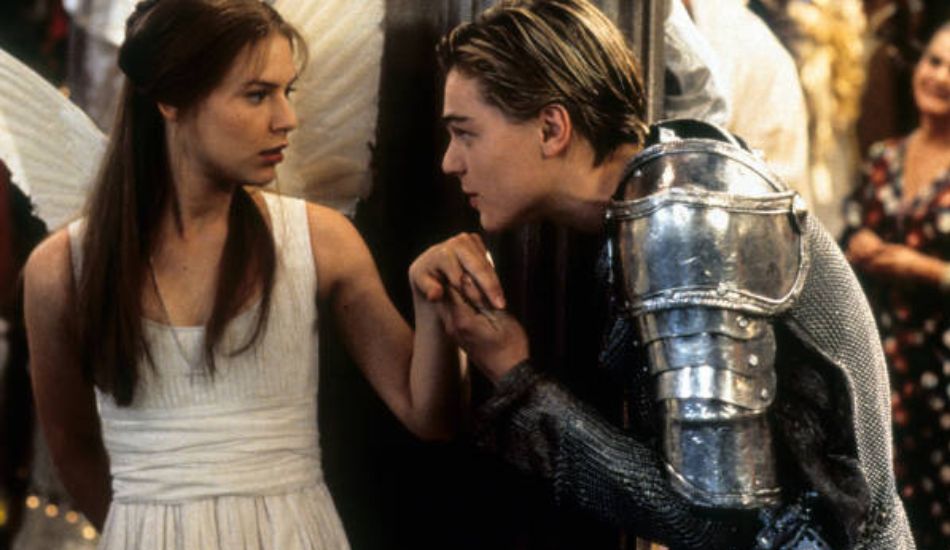
The casting of Leonardo DiCaprio as Romeo and Claire Danes as Juliet was pivotal in connecting younger audiences to the story. DiCaprio, already a rising star, brings depth and vulnerability to Romeo, while Danes captures Juliet’s innocence and fiery determination.
Supporting cast members include:
Brian Dennehy as Ted Montague
John Leguizamo as Tybalt
Pete Postlethwaite as Friar Laurence
Paul Sorvino as Fulgencio Capulet
Diane Venora as Gloria Capulet
Harold Perrineau as Mercutio
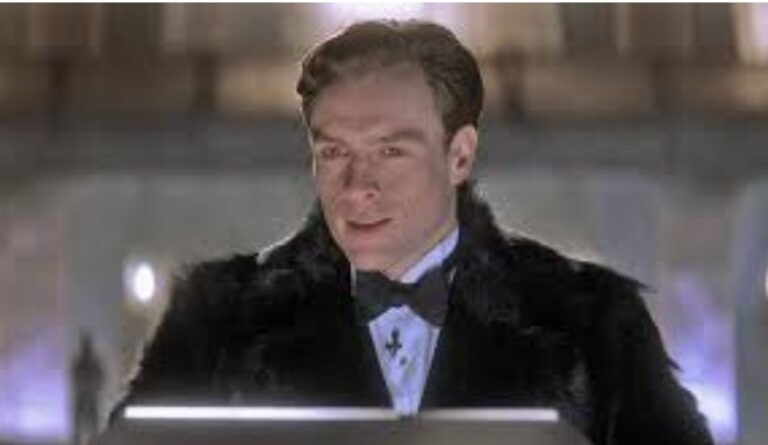
Paul Rudd as Paris
Jesse Bradford as Balthasar
Dash Mihok as Benvolio
Miriam Margolyes as the Nurse
These performances collectively create a dynamic interplay between the feuding families, with each character vividly etched against the vibrant backdrop of Verona Beach.
Storyline
At its heart, Romeo + Juliet (1996) preserves Shakespeare’s narrative of star-crossed lovers. Romeo Montague and Juliet Capulet, caught between family loyalty and the passionate pull of first love, navigate the challenges posed by their warring households. The film follows the same tragic arc as the original play: secret meetings, impulsive decisions, and the inevitable, heartrending conclusion. What sets this adaptation apart is its visual storytelling — quick cuts, neon lights, and urban chaos mirror the intensity of young love and familial conflict.
Visual Style and Cinematography
The cinematography by Donald M. McAlpine brings a hyper-real, almost dreamlike quality to the film. The streets of Verona Beach are drenched in color and symbolism. Luhrmann’s use of rapid editing, innovative camera angles, and surreal set design elevates traditional scenes, such as the iconic balcony moment, into cinematic experiences that feel fresh and contemporary. The blend of high-energy visuals with Shakespearean language creates an engaging contrast that appeals to modern audiences.
Music and Soundtrack
One of the most memorable aspects of the 1996 adaptation is its soundtrack, released on October 29, 1996. Curated by Nellee Hooper, Craig Armstrong, and Marius de Vries, the soundtrack features a mix of contemporary music from artists like Radiohead, Garbage, and Quindon Tarver. Tracks like Quindon Tarver’s rendition of “When Doves Cry” give classical scenes a modern resonance, enhancing emotional impact. The soundtrack achieved commercial success, reaching No. 2 on the Billboard 200 and earning triple-platinum status in the U.S.
Critical Reception
Upon release, Romeo + Juliet (1996) received mixed to positive reviews. Critics praised its bold visual style and contemporary energy, while some purists criticized the blending of Shakespearean language with modern imagery.
Rotten Tomatoes rated it 74%, applauding the innovative adaptation.
Roger Ebert offered criticism, noting that while the performances were compelling, the film’s visual flair occasionally overshadowed the emotional depth.
Time Out and other publications highlighted the film’s inventive approach, acknowledging that it made Shakespeare accessible to a younger generation.
Comparison with Other Adaptations
Romeo + Juliet (1968): Directed by Franco Zeffirelli, this version is noted for its faithful period representation and strong performances by Leonard Whiting and Olivia Hussey. The 1968 film is more traditional, with lush costumes and authentic settings, earning it critical acclaim and enduring popularity.
Romeo + Juliet (2013): Directed by Carlo Carlei, this adaptation starred Douglas Booth and Hailee Steinfeld. It attempted to modernize the story but received lower critical praise, with Rotten Tomatoes rating it around 25%. While it retained the core narrative, it lacked the visual and emotional intensity of Luhrmann’s version.
Trailer and Streaming
The trailer for the 1996 adaptation effectively conveys the film’s modern style, showcasing gunfights, masked balls, and intimate balcony scenes while retaining Shakespearean dialogue. While official downloads of the full movie are available through licensed streaming services, pirated downloads are illegal and strongly discouraged.
Legacy and Impact
Baz Luhrmann’s Romeo + Juliet (1996) remains influential in film and theater studies for its daring fusion of text and contemporary visuals. The film introduced Shakespeare to a generation of younger viewers who might have found traditional adaptations inaccessible. Its soundtrack, vibrant cinematography, and energetic pacing continue to be celebrated for pushing the boundaries of classical adaptation.
Conclusion
In conclusion, Romeo + Juliet (1996) is a landmark film that redefined how Shakespeare can be experienced in modern cinema. With stellar performances by DiCaprio and Danes, bold direction by Baz Luhrmann, a compelling soundtrack, and a stylized visual narrative, it successfully bridges the gap between classical literature and contemporary storytelling. For fans of Shakespeare and modern film adaptations alike, this movie is an essential watch that continues to resonate decades after its release.
For more in-depth movie reviews and cinematic analyses, visit Thegoted.com.