MoMA The Museum of Modern Art, New York: A Comprehensive Guide
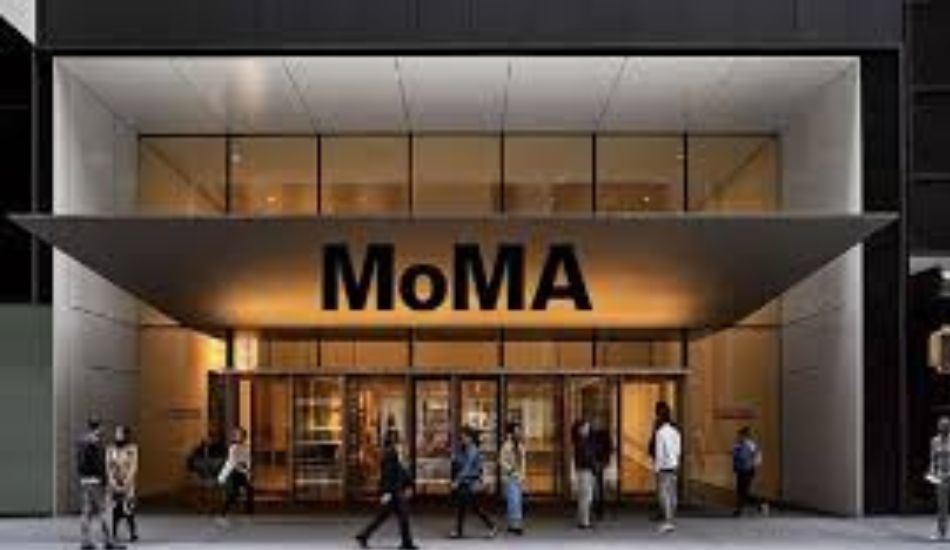
The Museum of Modern Art (MoMA) in New York City stands as one of the world’s most influential institutions dedicated to modern and contemporary art. Located in Midtown Manhattan at 11 West 53rd Street, MoMA has become a cultural icon, attracting millions of visitors annually to experience its extensive collection of paintings, sculptures, photography, design, media, and more. This article explores MoMA’s history, exhibitions, artworks, visitor experience, ticketing information, and its relation to other major museums like the Guggenheim, Whitney Museum, and Metropolitan Museum of Art.
History and Background of MoMA
MoMA was officially founded on November 7, 1929 by three philanthropists: Abby Aldrich Rockefeller, Lillie P. Bliss, and Mary Quinn Sullivan. Their vision was to create a museum that would help the public understand and appreciate modern art in all its forms. Initially, the collection was modest, comprising paintings and sculptures, but it quickly expanded into a global institution known for its innovative approach.
Over the decades, MoMA has grown into a museum that houses over 200,000 works, spanning painting, sculpture, photography, film, design, architecture, and media arts. Its mission is to foster appreciation for modern and contemporary art, to educate, and to engage visitors in dynamic artistic experiences.
MoMA’s Artworks and Collections
MoMA’s collections are diverse, encompassing a wide range of media and styles:
1. Modern and Contemporary Paintings
Masterpieces by Vincent van Gogh (The Starry Night), Claude Monet (Water Lilies), Pablo Picasso, Salvador Dalí, and many more.
MoMA’s painting collection represents the evolution of modern art from late 19th-century Impressionism to abstract, surrealist, and contemporary movements.
2. Sculptures
Includes iconic modern sculptures by artists like Alexander Calder and Henri Moore.
The MoMA Sculpture Garden provides an outdoor space where visitors can enjoy monumental works in a natural setting.
3. Photography
MoMA helped elevate photography to the level of fine art.
Collections feature works from early photographic pioneers to contemporary artists experimenting with digital media and installation photography.
4. Design and Architecture
Industrial design, graphic design, typography, furniture, and architectural models form an essential part of MoMA’s collection.
MoMA has long emphasized the intersection of art, technology, and design, highlighting how design shapes everyday life.
5. Film and Media Arts
MoMA has a robust film and media program that showcases historical films, contemporary works, and experimental cinema.
The museum screens classic movies, documentaries, and avant-garde works, reinforcing its role as a comprehensive cultural hub.
MoMA Exhibitions
MoMA hosts dynamic and rotating exhibitions that attract art lovers from around the world. These exhibitions cover a wide range of topics:
Retrospectives: In-depth exhibitions of major artists’ work, providing insight into their development and influence.
Thematic Shows: Exhibitions that explore trends in modern and contemporary art, such as abstraction, surrealism, and multimedia experimentation.
Emerging Artists: MoMA often highlights new and experimental works from contemporary artists, showcasing innovation in painting, sculpture, photography, and digital media.
Current and Upcoming Exhibitions
Because MoMA regularly updates its exhibitions, visitors are encouraged to check the official website to view the latest shows and special events. The museum often features interactive installations, contemporary media works, and collaborative projects that merge visual art with technology.
Visiting MoMA: Tickets and Reviews
Ticket Information
Location: 11 West 53rd Street, New York, NY 10019.
Admission Fees: Approximately $25 for adults, $18 for seniors (65+), $14 for students. Children under 16 are generally admitted for free.
Discounts and Free Admission: MoMA offers UNIQLO Free Friday Nights from 4 p.m. to 8 p.m. Additionally, tickets purchased online often provide discounts or priority entry.
Visitor Reviews
MoMA consistently receives positive reviews for its diverse collection, organized galleries, and engaging exhibitions. Visitors appreciate the variety of artworks, from classic modernist paintings to cutting-edge contemporary installations. The museum’s educational programs, film screenings, and design exhibits also enhance the visitor experience.
MoMA and Other Major Museums
MoMA’s position in New York’s cultural landscape can be better understood in relation to other prominent institutions:
Guggenheim Museum: Known for its spiral architecture and modernist collection, focusing on 20th-century artists.
Whitney Museum of American Art: Specializes in 20th- and 21st-century American art, particularly contemporary works.
Metropolitan Museum of Art: A vast collection spanning classical, historical, and global art, from ancient to modern.
While all these museums are world-class, MoMA is unique in its interdisciplinary approach, combining traditional art forms with design, architecture, film, and media arts, making it a holistic center for modern visual culture.
MoMA Exhibits That Define Its Legacy
Some of the museum’s most notable exhibits include:
Van Gogh’s The Starry Night: Iconic painting that draws millions annually.
Picasso’s Les Demoiselles d’Avignon: Revolutionary modernist work representing early 20th-century avant-garde.
The Sculpture Garden: Combines art and outdoor space to offer visitors a serene yet dynamic environment.
Design and Media Shows: Exhibits featuring industrial design, typography, digital art, and multimedia installations that highlight MoMA’s commitment to integrating art and technology.
MoMA PS1
MoMA also manages MoMA PS1, a contemporary art institution located in Queens. It focuses on experimental, site-specific, and avant-garde art. MoMA PS1 complements the main museum by presenting works from emerging artists and pushing the boundaries of contemporary artistic practice.
Why MoMA Is Worth Visiting
Diverse Art Collection: Paintings, sculptures, photography, media, and design in one institution.
Dynamic Exhibitions: Constantly updated, offering fresh perspectives for repeat visitors.
Educational Programs: Workshops, film screenings, family-friendly activities, and lectures.
Global Influence: MoMA sets trends in modern and contemporary art, influencing museums worldwide.
Integration of Technology and Art: Reflects the evolution of art in the modern era, making it relevant to contemporary audiences.
Conclusion
MoMA – The Museum of Modern Art, New York, is more than a museum; it is a cultural institution that defines modern and contemporary visual culture. From its iconic artworks and rotating exhibitions to its educational programs and integration with MoMA PS1, it offers a unique experience for art enthusiasts and casual visitors alike. Its comparative advantage over other major museums, such as the Guggenheim, Whitney Museum, and the Met, lies in its interdisciplinary approach, blending traditional art forms with design, media, and film. Visiting MoMA is not just about seeing art; it’s about experiencing a living dialogue between history, innovation, and creativity.
For more insights into modern and contemporary art, visit Thegoted.com.