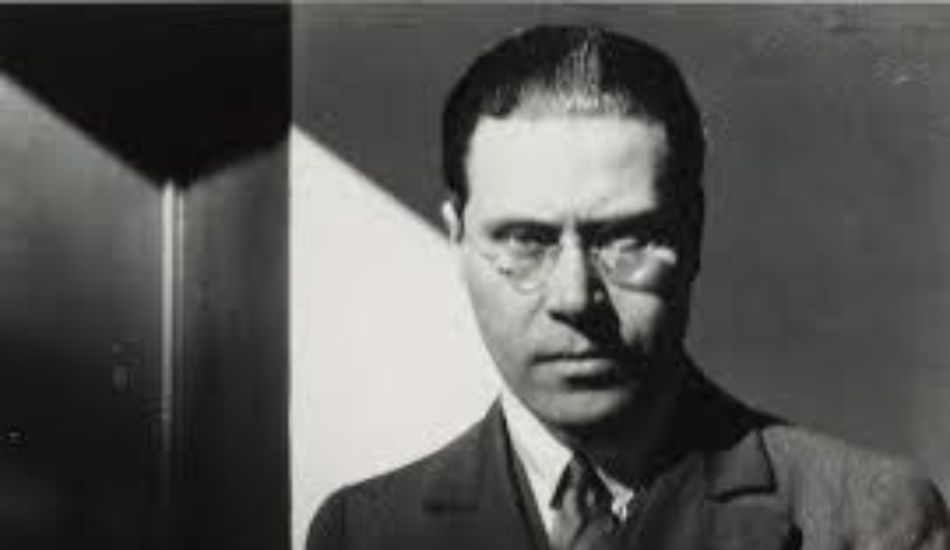
László Moholy-Nagy: Visionary of Modern Art, Photography, and Design
László Moholy-Nagy stands as one of the most influential figures in 20th-century modern art. A pioneer in photography, painting, sculpture, design, and teaching, he blurred the boundaries between disciplines, forever changing the way we perceive visual art. From his revolutionary photograms to his contributions at the Bauhaus, Moholy-Nagy’s legacy continues to inspire artists and designers around the world.
This article explores who László Moholy-Nagy was, his age and birthday, education, major artworks, photograms, Bauhaus contributions, family, and lasting influence. We’ll also cover key aspects of his personal life and highlight his children Hattula Moholy-Nagy and Claudia Moholy-Nagy, as well as his second wife Sibyl Moholy-Nagy.
Who is László Moholy-Nagy?
László Moholy-Nagy, born László Weisz on July 20, 1895, in Bácsborsód, Hungary, was a Hungarian-born painter, photographer, sculptor, and educator. He emerged as a central figure of the European avant-garde movement, combining the experimental spirit of modernism with a vision that bridged art, technology, and design.
Moholy-Nagy’s work went far beyond traditional art; he sought to integrate multiple media into a unified vision. He believed that artists could harness technology to create new forms of expression and bring art into everyday life.
László Moholy-Nagy Age, Birthday & Early Life
Born: July 20, 1895
Died: November 24, 1946 (aged 51)
Birthplace: Bácsborsód, Hungary
Growing up in Hungary, Moholy-Nagy initially studied law at Budapest University and served in the Austro-Hungarian Army during World War I. His exposure to the war and its upheavals deeply influenced his worldview and eventually propelled him toward an artistic career.
After the war, he abandoned law, dedicating himself to painting and avant-garde art. Early on, he experimented with Cubism, Constructivism, and abstract compositions, signaling the experimental approach that would define his career.
László Moholy-Nagy Education & Artistic Formation
Although he began with formal legal studies, Moholy-Nagy’s artistic education was largely self-directed:
Early Painting: Around 1917, he started painting, inspired by modernist movements and the upheavals of post-war Europe.
Avant-Garde Engagement: He joined circles of avant-garde artists in Hungary, contributing to journals and exploring abstraction.
Experimentation with Media: Moholy-Nagy’s curiosity led him to photography, photograms, typography, sculpture, and industrial design, which he later combined in innovative ways.
His formal teaching came later, but his early years were marked by experimentation and self-education, forming the foundation for his revolutionary approach to art.
How László Moholy-Nagy Entered Photography
Moholy-Nagy’s approach to photography was unconventional. He is most famous for photograms, a technique that required no camera. Instead, objects were placed directly on light-sensitive paper, creating abstract images through shadows and transparency.
His photograms, developed as early as 1922, were revolutionary.
Moholy-Nagy described them as “painting with light,” transforming photography into a tool for pure abstraction.
These works demonstrated his fascination with light, movement, and composition, hallmarks of his modernist vision.
Beyond photograms, he explored traditional photography, experimental film, and photographic typography, solidifying his reputation as a multidisciplinary innovator.
László Moholy-Nagy and the Bauhaus
In 1923, Moholy-Nagy joined the Bauhaus in Weimar at the invitation of Walter Gropius, where he became a master of the metal workshop. He also led the preliminary course (Vorkurs), introducing students to modernist concepts, experimentation, and interdisciplinary practice.
He emphasized experimentation with materials, light, and form.
Collaborated on the Bauhausbook series, shaping modernist design theory.
Pushed the idea of integrating technology and art, believing that design should serve functional as well as aesthetic purposes.
Moholy-Nagy’s Bauhaus work cemented his influence on modern art and design, inspiring generations of students and artists worldwide.
László Moholy-Nagy Artwork & Style
Moholy-Nagy’s art is defined by geometric abstraction, constructivism, and experimental use of light:
Paintings: Early works showed Cubist and Constructivist influences.
Sculptures and Light-Space Modulators: Three-dimensional kinetic works combining movement, light, and transparency.
Typography + Photography (Typophoto): Combining letters, images, and layouts to explore new visual communication methods.
Photograms: Camera-less photographs that remain some of his most influential contributions.
Film & Design: Experiments in cinematic visuals and industrial/graphic design.
His style was consistently experimental, often blurring the line between art, design, and technology.
Major Works & Contributions
Some of Moholy-Nagy’s notable contributions include:
Photograms (1920s–1940s): His most famous experimental images created without a camera.
Light-Space Modulator (1930s): Mechanical sculptures combining light, movement, and shadow.
Typophotos & Photomontages: Innovative layouts that combined text and photography.
New Bauhaus / Institute of Design: Founded in Chicago in 1937, promoting Moholy-Nagy’s philosophy of integrated art, technology, and education.
Bauhaus Teaching & Publications: Revolutionary impact on design theory and pedagogy.
Family, Spouse, and Children
First Wife: Lucia Moholy — collaborator on early photograms and photography projects.
Second Wife: Sibyl Moholy-Nagy — writer and advocate of his work.
Children:
Hattula Moholy-Nagy
Claudia Moholy-Nagy
His family played a key role in documenting and continuing his legacy, particularly in photography and design education.
László Moholy-Nagy Pronunciation
For non-Hungarian speakers, László Moholy-Nagy is pronounced approximately: LAH-sloh MO-ho-lee NAH-gee The accents in Hungarian influence pronunciation, especially the long “á” in László.
Impact & Legacy
Moholy-Nagy’s influence continues to resonate today:
Photography: Legitimized experimental and abstract photography as fine art.
Design Education: His New Bauhaus/Institute of Design model is foundational for modern design pedagogy.
Integration of Technology & Art: Pioneered ideas still relevant in contemporary multimedia, kinetic art, and visual communication.
Avant-Garde Influence: His teaching and writing shaped 20th-century visual culture, inspiring artists and designers globally.
Even decades after his death, Moholy-Nagy’s photograms, light-space modulators, and interdisciplinary work remain central in art, photography, and design exhibitions.
László Moholy-Nagy Death and Final Years
Moholy-Nagy passed away on November 24, 1946, in Chicago, Illinois, at the age of 51. Despite his relatively short life, his contributions were monumental. He left behind a legacy of experimentation, teaching, and pioneering work that bridged Europe and the United States.
His writings, photograms, and designs continue to be studied worldwide. Institutions such as the Illinois Institute of Technology’s Institute of Design uphold his educational philosophy and vision of integrating art, technology, and life.
Conclusion
László Moholy-Nagy was more than an artist — he was a visionary who reshaped art, photography, and design. From his revolutionary photograms to his teaching at the Bauhaus and the founding of the New Bauhaus in Chicago, his life’s work embodies the integration of art, technology, and social purpose. Through his children Hattula and Claudia, his influence and legacy endure, inspiring new generations of artists and designers to think beyond traditional boundaries.
For more articles on influential artists and modern design pioneers, visit Thegoted.com.