
Juliet Capulet: The Timeless Heroine of Shakespeare’s Romeo and Juliet
Juliet Capulet stands as one of literature’s most iconic figures—a young woman whose love story continues to echo through generations. She is not simply a tragic heroine; she is a symbol of devotion, youthful passion, emotional courage, and the universal desire to break free from restrictions. Whether readers discover her through Shakespeare’s original play, film adaptations, or cultural interpretations, Juliet remains unforgettable.
This article explores Juliet Capulet in depth—her character, physical description, iconic dress styles, quotes, film portrayals (including the 1996 movie), family background, and ties to her origins in The Tragical History of Romeus and Juliet (1561). It is a comprehensive look at who she is, why she matters, and how her story continues to shape literature and pop culture.
Who Is Juliet Capulet?
Juliet Capulet is the female protagonist in William Shakespeare’s play Romeo and Juliet, written in the late 16th century. She is a member of the powerful Capulet family in Verona, Italy—a household locked in a bitter feud with the Montagues.
While many characters in Shakespeare’s works are defined by their social positions or political motivations, Juliet is defined by her bold emotional journey. She begins as a sheltered 13-year-old girl and transforms into a decisive young woman who follows her heart—even when it leads her into conflict with her family and ultimately, tragedy.
Juliet’s role goes far beyond that of a typical heroine. She represents innocence, rebellion, and the profound emotional struggles that young people face when navigating love, identity, and family expectations.
Juliet Capulet’s Origins: Based on a 1561 Tale
Although Shakespeare shaped Juliet into the character we recognize today, she was based on Juliet from The Tragical History of Romeus and Juliet (1561) by Arthur Brooke. Brooke’s poem itself was derived from older Italian stories, proving that the tale of forbidden love has deep historical roots.
Shakespeare, however, transformed Juliet into a more emotional, complex, and active figure. His Juliet speaks with poetic depth, questions the meaning of identity and names, and boldly chooses love over tradition. This emotional depth is what made her memorable across centuries.
Juliet Capulet’s Family Background
Juliet belongs to the influential Capulet family. Her immediate family includes:
Father: Lord Capulet — a wealthy nobleman known for his authority and pride.
Mother: Lady Capulet — a woman focused on status, marriage arrangements, and social traditions.
Spouse: Romeo Montague — her secret husband, from the rival Montague family.
Cousin: Tybalt Capulet — fiery, aggressive, and loyal to the family honor.
Her birthday is traditionally celebrated on 31 July, a detail drawn from literary tradition and popular culture.
Juliet’s environment is strict, family-controlled, and deeply influenced by the Capulet-Montague rivalry. Growing up in such a household shaped her into someone who both respects duty and longs for emotional independence.
Juliet Capulet’s Physical Description
Shakespeare never gives Juliet a detailed physical description, leaving her appearance open to interpretation. Instead, he uses metaphorical language through Romeo’s eyes:
Her cheeks outshine the stars.
Her eyes are like bright heavens.
Her beauty makes torches burn brighter at the Capulet feast.
These poetic descriptions build an image of a girl whose beauty is luminous, pure, and deeply symbolic.
Over the centuries, artists and directors often portray Juliet as:
Young (around 13 years old)
Fair-skinned and delicate
Soft-featured, representing innocence
Graceful and gentle in appearance
But modern portrayals range widely, reflecting cultural changes and artistic interpretation.
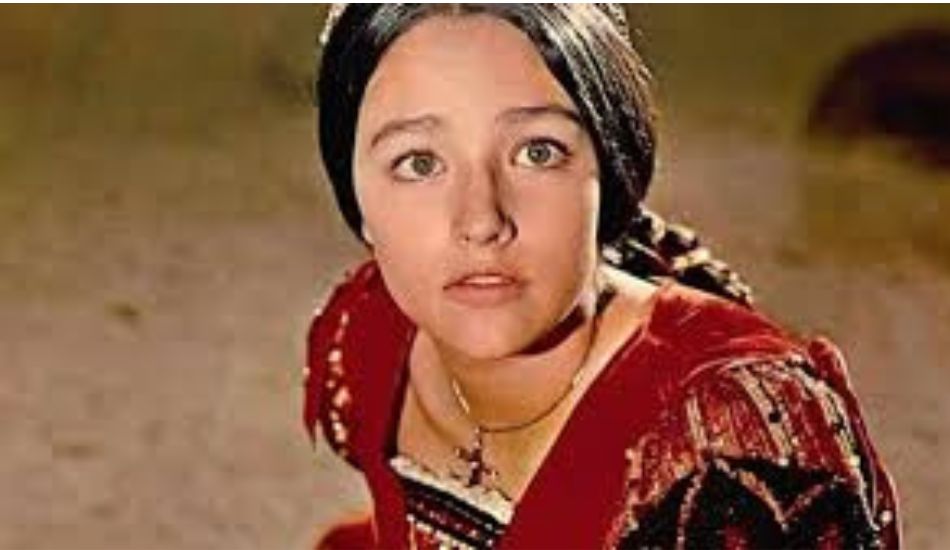
Juliet Capulet Dress: Iconic Style Through Time
Juliet Capulet’s costumes—on stage and in film—play a major role in shaping her character’s identity.
Traditional Stage Dress
In classical Shakespearean performances, Juliet is often dressed in:
Renaissance gowns
Floral patterns
Soft fabrics like silk
A “Juliet Cap” or delicate hairstyle
The “Juliet Cap”—a small, decorative bridal headpiece—actually became famous because of her character. It remains popular in bridal fashion.
Juliet in the 1996 Movie
Romeo + Juliet (1996), starring Claire Danes and Leonardo DiCaprio, reinvented her style.
Her most iconic outfits include:
A white angel dress at the Capulet party
A simple white dress at the secret wedding
Soft, youthful costumes reflecting her innocence
The 1996 Juliet dress design influenced fashion and pop culture, especially in teen aesthetic trends.
Modern Interpretations
Recent stage productions reimagine Juliet with:
Contemporary clothing
Minimalist designs
Symbolic colors like white (innocence), red (love), or blue (youth)
Her dress style always blends purity with emotional intensity, making it instantly recognizable.
Juliet Capulet Quotes: Lines That Define Her Character
Juliet’s lines are among the most famous in English literature. Here are some of her most iconic quotes:
1. “O Romeo, Romeo! wherefore art thou Romeo?”
This is often misinterpreted—Juliet is not asking where Romeo is. She is asking why he must be a Montague.
2. “What’s in a name? That which we call a rose / By any other word would smell as sweet.”
Here she questions the importance of names, family ties, and social labels.
3. “My bounty is as boundless as the sea.”
A line expressing her limitless love.
4. “O happy dagger!”
Her final tragic moment—a symbol of love mixed with despair.
Juliet’s quotes reveal her emotional bravery, poetic intelligence, and capacity for love.
Juliet Capulet and Romeo Montague: A Love Beyond Family
The relationship between Juliet Capulet and Romeo Montague forms the heart of the story.
Their love is:
Instant yet deep
Emotionally intense
Forbidden
Strong enough to defy families, rules, and danger
They marry secretly, choosing each other over the centuries-old feud dividing their families. Their tragedy stems not from lack of love, but from circumstances, miscommunication, and social conflict.
Their final moments together cement their story as one of the most powerful love tragedies in literary history.
Juliet in the Movie: Iconic Portrayals Over Time
Many actresses have played Juliet, each bringing a new interpretation:
1968 Film – Olivia Hussey
Considered by some the most faithful portrayal, Hussey played Juliet with gentle innocence and emotional depth.
1996 Film – Claire Danes
Her performance remains hugely influential:
Modern setting
Youthful realism
Strong emotional intensity
Claire Danes’ Juliet became a symbol of 90s teen romance.
Various Stage & Screen Adaptations
Other actresses across ballet, theater, and television have shaped Juliet’s legacy, proving that her story adapts to every era.
Juliet Capulet 1996: Why This Version Stands Out
The 1996 adaptation of Romeo + Juliet dramatically changed how younger audiences connect with the play. Baz Luhrmann’s film combined:
Modern costumes
Guns instead of swords
MTV-style editing
Contemporary music
Yet the original Shakespearean dialogue remained intact.
Claire Danes’ Juliet became:
Relatable
Emotional
Modern
Brave
Her white angel dress, balcony scene moment, and emotional performance are still cultural touchstones.
Why Juliet Capulet’s Story Matters Even Today
Juliet remains relevant because:
She represents the voice of youth rebelling against old traditions.
She shows the emotional strength of young women.
Her thoughts on identity (“What’s in a name?”) still resonate today.
Her love story echoes universal themes of passion and sacrifice.
Her tragedy demonstrates the danger of hatred, conflict, and rigid social divisions.
Every generation revisits Juliet because she reflects timeless emotions—love, fear, courage, longing, and the hope for a life chosen by one’s own heart.
Conclusion
Juliet Capulet is far more than a character in a tragedy—she is a symbol of youthful passion, freedom, and emotional courage. From her poetic lines to her iconic dress styles, from classic stage performances to modern film adaptations, Juliet continues to inspire audiences around the world.
Her story, rooted in Shakespeare’s Romeo and Juliet and originally based on the 1561 tale The Tragical History of Romeus and Juliet, remains one of the most powerful narratives about love, identity, and the human heart.
For more detailed literary insights and character explorations, visit Thegoted.com where stories, characters, and cultural icons come to life.