James Bond Villains: The Faces of Evil That Defined 007’s Legacy
When we think of James Bond, the first image is usually a suave spy in a tuxedo, martini in hand, saving the world with style. But 007’s villains are just as iconic — in many ways, they define the franchise. From megalomaniacs with global domination dreams to ruthless assassins with unforgettable gimmicks, James Bond villains have left a lasting mark on cinema history.
In this article, we’ll explore who these villains are, highlight the actors who brought them to life, discuss their evolution across the films, and even rank the most memorable ones.
Who Are the James Bond Villains?
Bond villains are the main antagonists in the 007 universe. They often have elaborate schemes to control or destroy the world, usually driven by power, revenge, or personal obsession. Each villain brings a unique flair — from iconic lairs to signature gadgets, or unforgettable quirks.
Over time, the villains have evolved to reflect societal fears: early Cold War nuclear threats, 70s megalomaniacs with grandiose lairs, 90s cyber and industrial-era villains, and modern psychological threats during the Daniel Craig era.
The Classic Era: Defining Evil in the 1960s
The early Bond films introduced villains who became legends in their own right.
Dr. Julius No
The very first Bond villain, Dr. Julius No, played by Joseph Wiseman in Dr. No (1962), set the template for Bond villainy. A brilliant scientist with metal hands, he planned to sabotage American rocket launches from his hidden island base. Dr. No showed the world that Bond’s enemies could be both intelligent and terrifyingly ruthless.
Auric Goldfinger
In Goldfinger (1964), Gert Fröbe played the unforgettable Auric Goldfinger, obsessed with gold and willing to irradiate Fort Knox to increase the value of his own stash. His plan, his henchman Oddjob, and his extravagant style made him a cinematic icon. Goldfinger represents classic villainy — flamboyant, obsessive, and dangerously smart.
Ernst Stavro Blofeld
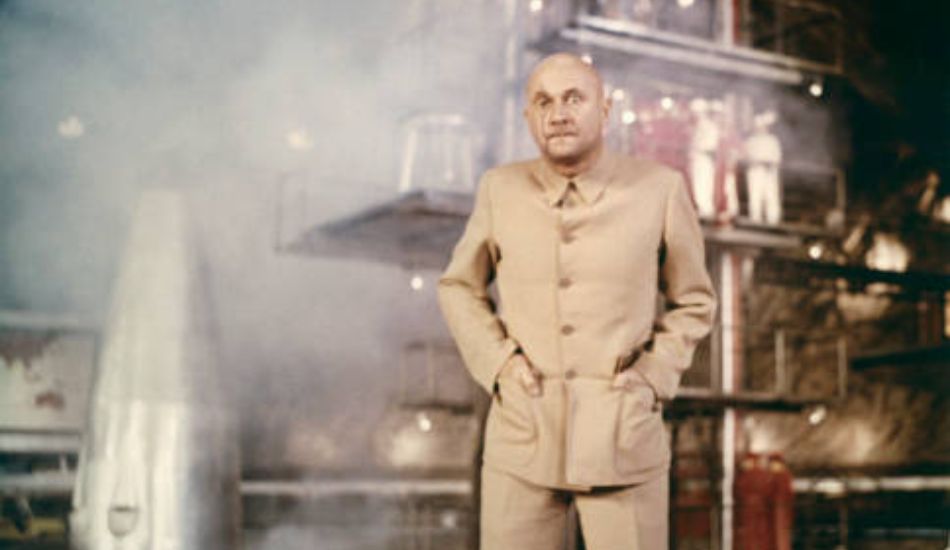
Blofeld is arguably the ultimate Bond villain. As the head of SPECTRE, he has appeared in multiple films and been portrayed by several actors including Donald Pleasence, Telly Savalas, and Christoph Waltz. Often seen stroking his white cat, Blofeld symbolizes the archetypal mastermind, orchestrating global chaos while staying one step ahead of Bond.
Rosa Klebb
Lotte Lenya portrayed Rosa Klebb in From Russia With Love (1963). A former KGB officer turned SPECTRE operative, she is memorable for her deadly shoe blade and ruthless cunning, proving that Bond villains don’t need brute force to be dangerous.
The 1970s: Bigger Schemes, Bolder Characters
By the 1970s, Bond villains became more extravagant and larger-than-life, matching the increasingly spectacular plots of the films.
Karl Stromberg
Played by Curd Jürgens in The Spy Who Loved Me (1977), Stromberg planned to destroy the world and create an underwater civilization. His underwater lair, Atlantis, remains one of the most visually stunning villain hideouts ever created.
Jaws
One of the most memorable villains, Jaws, played by Richard Kiel, appeared in The Spy Who Loved Me (1977) and Moonraker (1979). Known for his steel teeth and immense strength, Jaws started as a terrifying henchman and eventually became a beloved anti-hero figure among fans.
Francisco Scaramanga
In The Man with the Golden Gun (1974), Christopher Lee portrayed Scaramanga, an assassin with a golden pistol who considered himself Bond’s equal. Their duel in a hall of mirrors remains one of the franchise’s most stylish showdowns.
The 1980s: Realism and Revenge
During the 1980s, Bond villains shifted from campy theatrics to more realistic, human threats.
Aris Kristatos, played by Julian Glover in For Your Eyes Only (1981), was a smuggler and double agent. Unlike previous villains, he was more grounded and believable.
Max Zorin, portrayed by Christopher Walken in A View to a Kill (1985), was a psychopathic industrialist planning to destroy Silicon Valley. Walken’s intense performance made Zorin one of the most chaotic and memorable villains in the series.
The 1990s: Personal Betrayals and High-Tech Threats
As the Cold War ended, Bond villains reflected modern fears, including corporate greed and personal betrayal.
Alec Trevelyan, played by Sean Bean in GoldenEye (1995), was Bond’s former ally who turned against MI6. His betrayal made him one of the franchise’s most emotionally compelling villains.
Elliot Carver, portrayed by Jonathan Pryce in Tomorrow Never Dies (1997), was a media mogul trying to start World War III for profit.
Renard, played by Robert Carlyle in The World Is Not Enough (1999), could not feel pain due to a bullet lodged in his brain, making him both terrifying and uniquely human.
The Daniel Craig Era: Darker, Smarter, Psychological Villains
Daniel Craig’s tenure as Bond introduced villains who were more emotionally complex and realistic.
Le Chiffre, played by Mads Mikkelsen in Casino Royale (2006), was a banker for terrorists with a calm, cold menace. His poker duel with Bond is one of the most memorable sequences in the franchise.
Raoul Silva, portrayed by Javier Bardem in Skyfall (2012), was a former MI6 agent seeking revenge. Silva’s psychological depth, flamboyant menace, and personal connection to Bond raised the stakes for villains, moving beyond grandiose plots to intimate vendettas.
Blofeld returned in Spectre (2015) and No Time to Die (2021), played by Christoph Waltz, creating a direct, personal conflict for Bond.
Lyutsifer Safin, portrayed by Rami Malek in No Time to Die (2021), was a bioterrorist with a personal vendetta and a complex plan involving a DNA-targeted virus, representing the modern evolution of Bond villains — cold, calculated, and psychologically compelling.
Ranking the Top James Bond Villains
Although opinions vary, fan and critic rankings often highlight these top villains:
Ernst Stavro Blofeld — The ultimate mastermind, iconic across eras.
Auric Goldfinger — Classic villainy at its best.
Raoul Silva — Modern brilliance with psychological depth.
Le Chiffre — Cold, calculating, and memorable.
Jaws — Fan favorite with unforgettable presence.
Dr. Julius No — The original archetype.
Alec Trevelyan — Bond’s personal mirror.
Max Zorin — Chaotic energy and industrial menace.
Karl Stromberg — Spectacular ambitions and underwater lair.
Rosa Klebb — Deadly and precise, setting a female villain standard.
These rankings show how Bond villains evolved with the times — reflecting cultural fears, technological anxieties, and cinematic trends.
James Bond Villains by Movie
Understanding villains in the context of their films helps track the evolution of 007’s enemies:
Dr. No (1962) introduced Dr. Julius No.
From Russia With Love (1963) featured Rosa Klebb.
Goldfinger (1964) presented Auric Goldfinger.
Thunderball (1965) brought Emilio Largo.
The Man with the Golden Gun (1974) featured Francisco Scaramanga.
The Spy Who Loved Me (1977) showcased Karl Stromberg.
Moonraker (1979) highlighted Hugo Drax.
GoldenEye (1995) introduced Alec Trevelyan.
Casino Royale (2006) had Le Chiffre.
Skyfall (2012) featured Raoul Silva.
Spectre (2015) and No Time to Die (2021) brought Blofeld and Lyutsifer Safin to the forefront.
Each villain reflects the era they were created in — from Cold War paranoia to modern psychological and technological threats.
Why Bond Villains Remain Iconic
Bond villains have left a lasting imprint on pop culture. They influenced movies, parodies, and TV shows — from Dr. Evil in Austin Powers to countless spy-movie spoofs. Tropes like secret lairs, world domination, quirky henchmen, and flamboyant style originated with Bond.
They also gave us unforgettable imagery: Blofeld’s white cat, Goldfinger’s obsession with gold, Jaws’ metal teeth, and Silva’s haunting smile. These characters continue to inspire filmmakers and fans alike.
The Shift Toward Realism in Recent Villains
Modern Bond villains are less about lasers and more about personal stakes, emotional scars, and sophisticated plans. Silva and Safin, for example, are defined by revenge and trauma, making them more relatable and terrifying. The shift toward realism reflects contemporary storytelling — audiences now expect villains who are as psychologically complex as they are dangerous.
Conclusion
From Dr. Julius No to Lyutsifer Safin, James Bond villains have shaped the franchise and defined cinematic evil. Each villain, whether charming, terrifying, or eccentric, has helped make Bond the legendary figure he is today. Their evolving complexity, personal motivations, and iconic visuals ensure they remain memorable for generations of fans.
For more stories about iconic film characters and entertainment history, visit Thegoted.com.