
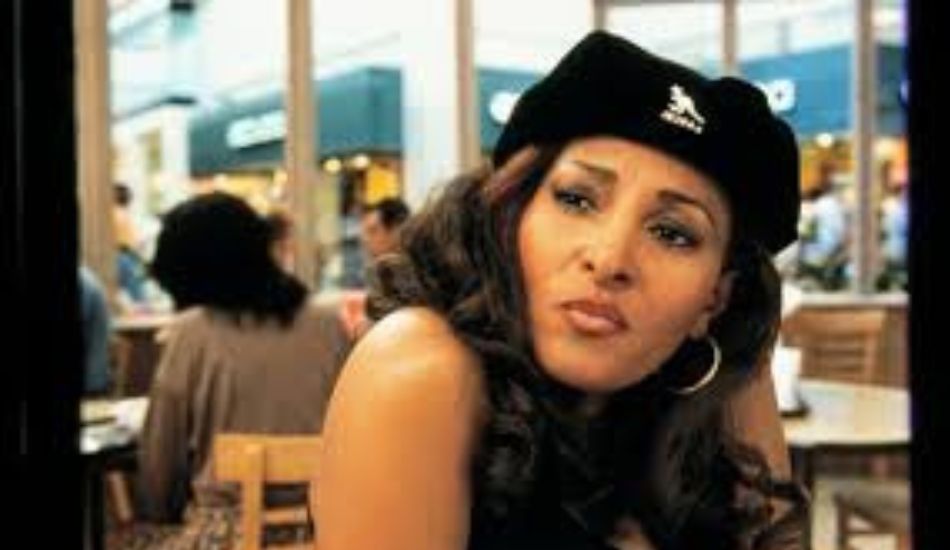
Jackie Brown: Quentin Tarantino’s Crime Masterpiece
Released on December 25, 1997 (USA), Jackie Brown is a crime drama directed by Quentin Tarantino and adapted from Elmore Leonard’s 1992 novel Rum Punch. Known for its sharp dialogue, intricate plotting, and homage to 1970s blaxploitation films, the movie stands out in Tarantino’s filmography for its measured pace, character-driven storytelling, and stellar ensemble cast. With a runtime of 2 hours 34 minutes and a budget of $12 million USD, Jackie Brown remains a cult favorite among fans and critics alike.
Storyline & Plot Overview
At the heart of Jackie Brown is Jackie Brown, portrayed by the legendary Pam Grier. Jackie is a flight attendant caught smuggling cash from Mexico into the U.S. for her arms-dealing employer, Ordell Robbie, played by Samuel L. Jackson. When caught by the Bureau of Alcohol, Tobacco, and Firearms (ATF), Jackie devises a clever plan to double-cross both the authorities and Ordell, ensuring her freedom and securing a substantial sum of money.
The film intricately explores themes of loyalty, survival, and deception, all woven into a narrative filled with tension, humor, and moral ambiguity. Unlike some of Tarantino’s earlier, faster-paced films, Jackie Brown emphasizes character development and narrative depth, making it a more mature and nuanced work.
Director: Quentin Tarantino
By the time Jackie Brown was made, Quentin Tarantino had already established himself as a groundbreaking filmmaker with films like Reservoir Dogs (1992) and Pulp Fiction (1994). However, Jackie Brown marked a departure from his usual high-octane, nonlinear storytelling. Instead, Tarantino embraced a slower, more methodical pacing, focusing on rich dialogue, suspense, and nuanced performances.
Tarantino’s direction ensures every scene contributes to character development while retaining his signature pop culture references, clever banter, and tension-filled moments. The film is a clear homage to 1970s blaxploitation cinema, a genre that initially made Pam Grier a household name.
Adaptation: From Rum Punch to Screen
Jackie Brown is based on Elmore Leonard’s novel Rum Punch, though Tarantino made notable changes in the adaptation:
The protagonist’s name was changed from Joaquín/Jackie Burke to Jackie Brown.
Jackie’s ethnicity was changed to allow Pam Grier to lead, honoring her iconic roles in blaxploitation films.
Certain plot elements were rearranged to suit Tarantino’s cinematic style, emphasizing suspense and tension over rapid action.
The result is a faithful yet fresh adaptation, retaining Leonard’s intricate plotting and crime narrative while amplifying character-driven drama.
Cast & Characters
The film boasts a stellar ensemble cast:
Pam Grier as Jackie Brown: The cunning, resilient flight attendant who orchestrates her escape. Grier’s performance is lauded for its depth, charm, and presence, anchoring the film.
Samuel L. Jackson as Ordell Robbie: A charismatic, ruthless arms dealer whose volatile temper adds tension and dark humor.
Robert Forster as Max Cherry: A bail bondsman who becomes Jackie’s ally and moral anchor. His portrayal earned him critical acclaim and an Academy Award nomination for Best Supporting Actor.
Robert De Niro as Louis Gara: Ordell’s volatile accomplice. De Niro brings subtle menace and unpredictability to the role.
Bridget Fonda as Melanie Ralston: A free-spirited woman entangled in the criminal world.
Michael Keaton as Ray Nicolette: A determined ATF agent chasing Jackie and Ordell.
Supporting roles include Chris Tucker as Beaumont Livingston and Robert Patrick as a minor yet memorable character, all contributing to a richly textured ensemble.
Cinematography & Style
The cinematography, by Guillermo Navarro, enhances the film’s retro aesthetic. Warm tones, deliberate framing, and careful composition evoke the feel of classic 1970s crime films. Tarantino’s choice to emphasize long takes and dialogue-heavy sequences allows the actors’ performances to shine, and the pacing reflects Jackie’s calculated, methodical approach to outsmarting her pursuers.
Soundtrack & Jackie Brown Songs
Music plays a pivotal role in Jackie Brown, as is typical of Tarantino films:
The soundtrack features a mix of soul, funk, and R&B, reminiscent of the 1970s blaxploitation era.
Songs such as “Across 110th Street” by Bobby Womack and “Street Life” by Randy Crawford provide emotional resonance, setting the tone for tension, betrayal, and triumph.
Contemporary artists like Brent Faiyaz have paid homage to the film in later works, showing its enduring cultural impact.
The careful curation of music strengthens both the mood and characterization, making the soundtrack a standout element of the film.
Box Office & Budget
The film’s budget was approximately $12 million USD, modest by Hollywood standards, even for the late 1990s.
It grossed around $74 million worldwide, making it commercially successful, though not on the scale of Tarantino’s blockbuster hits.
Its financial performance reflects the film’s niche appeal: a character-driven crime thriller rather than an action spectacle.
Critical Reception
Jackie Brown received positive reviews from critics and audiences:
Rotten Tomatoes: ~88% approval rating.
Critics praised the strong performances, particularly Grier and Forster, as well as Tarantino’s measured direction.
Roger Ebert awarded the film 4 out of 4 stars, highlighting its maturity, intelligence, and character complexity.
The film was considered a departure from Tarantino’s “style over substance” criticism, focusing instead on depth, clever plotting, and dialogue-driven tension.
Jackie Brown Full Movie & Streaming
The film is widely available for viewing through streaming platforms, DVD, and Blu-ray.
Despite its age, it retains a cult following due to the performances, dialogue, and Tarantino’s signature style.
Many fans regard it as one of Tarantino’s most underrated films, showcasing his ability to craft compelling stories without relying solely on violence or shock value.
Robert De Niro’s Role
In Jackie Brown, Robert De Niro plays Louis Gara, a key member of Ordell’s criminal enterprise.
Unlike De Niro’s more intense or physically aggressive roles, Louis is portrayed as erratic, sarcastic, and unpredictable — a perfect counterbalance to Jackie’s careful strategy.
De Niro’s performance adds layers of tension and dark humor, contributing to the film’s unique tone.
Legacy & Cultural Impact
Jackie Brown is notable for its blaxploitation homage, bringing Pam Grier back to prominence.
It influenced both filmmaking and pop culture, inspiring musicians, filmmakers, and modern storytellers to reference its style and characters.
The film’s dialogue-driven narrative, combined with Tarantino’s direction, has influenced how crime thrillers are structured, proving that tension and suspense can be generated through clever writing rather than nonstop action.
Why Jackie Brown Stands Out
Character-Driven Storytelling: Focuses on intelligence, survival, and morality rather than purely physical action.
Diverse Ensemble Cast: Each actor contributes to a multi-dimensional story, making even minor characters memorable.
Cinematic Homage: Pays tribute to 1970s blaxploitation and crime films while maintaining Tarantino’s distinct voice.
Iconic Soundtrack: Soul, funk, and R&B tracks enhance the atmosphere and emotional weight of scenes.
Critical Acclaim: Grier’s performance and Forster’s supporting role elevate the film beyond typical crime dramas.
Conclusion
Jackie Brown remains a timeless crime drama, blending suspense, humor, and rich character exploration. From its release on December 25, 1997, to its enduring influence on music, film, and pop culture, the movie stands as one of Quentin Tarantino’s most underappreciated masterpieces. With strong performances by Pam Grier, Robert De Niro, and Samuel L. Jackson, an unforgettable soundtrack, and a carefully constructed plot adapted from Elmore Leonard’s Rum Punch, Jackie Brown continues to captivate audiences decades after its release.
For detailed analyses, behind-the-scenes insights, and more classic movie breakdowns, visit Thegoted.com.