Hirshhorn Museum & Sculpture Garden: A Complete Guide to DC’s Modern Art Icon
The Hirshhorn Museum & Sculpture Garden, located on the National Mall in Washington, D.C., is one of the premier destinations for modern and contemporary art in the United States. Part of the Smithsonian Institution, this iconic museum combines indoor galleries and a sprawling outdoor sculpture garden, offering visitors an immersive art experience. From ticket information and exhibits to family-friendly activities and architectural highlights, the Hirshhorn is a must-visit for locals, tourists, and art enthusiasts alike.
History and Overview of the Hirshhorn Museum
The Hirshhorn Museum opened its doors in 1974, built to showcase the extensive modern art collection of philanthropist Joseph H. Hirshhorn. Hirshhorn’s vision was to create a space where contemporary art could be celebrated, studied, and appreciated by the public. The museum’s collection includes over 12,000 works, ranging from paintings and sculptures to multimedia installations and experimental works.
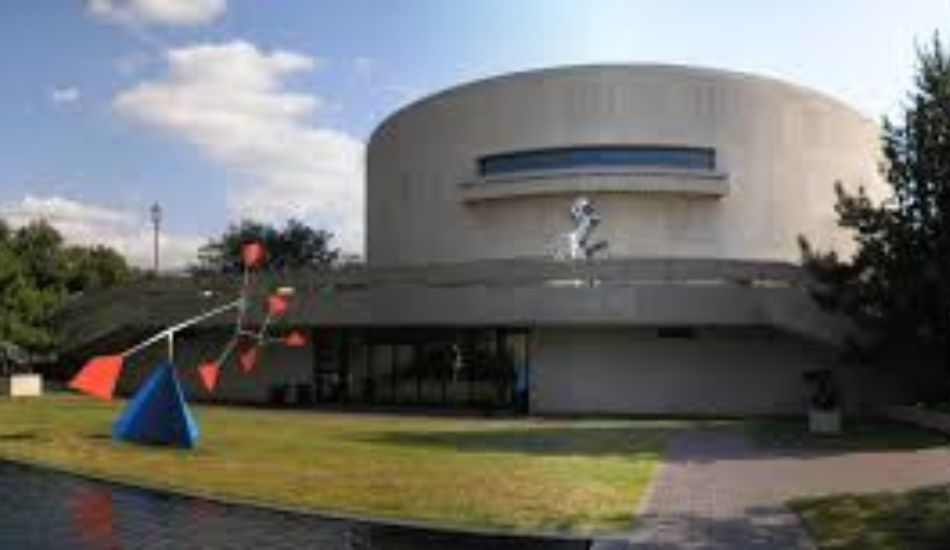
The museum was designed by architect Gordon Bunshaft of Skidmore, Owings & Merrill. Its distinctive circular structure, elevated on concrete piers, gives it a floating, fortress-like appearance. The design emphasizes minimalism and modernity, directing attention to the artwork rather than architectural ornamentation.
In addition to the main building, the Hirshhorn Sculpture Garden provides an open-air space for monumental works, featuring pieces from globally renowned artists. Together, the museum and garden create a complete environment for experiencing modern art in both indoor and outdoor contexts.
Hirshhorn Museum Tickets and Admission
A major benefit for visitors is that the Hirshhorn Museum offers free general admission. Visitors can walk into the museum and explore the permanent collection without purchasing a ticket. However, some special exhibitions or limited-access events may require timed-entry passes or reservations, so it’s always recommended to check the museum’s official website before visiting.
While admission is free, the museum encourages voluntary donations for printed guides and special programs. For example, a kids’ activity guide or visitors’ pamphlet may suggest a small donation of $2, but it is optional.
Practical Tips for Visitors:
Timed passes: Check for temporary exhibitions that may require advance reservations.
Online resources: Use the Hirshhorn website to explore virtual tours, exhibition details, and educational materials.
Accessibility: The museum is fully wheelchair and stroller accessible.
Opening Hours
Monday: 12:00 PM – 5:30 PM
Tuesday–Sunday: 10:00 AM – 5:30 PM
Closed: December 25
The Sculpture Garden opens daily at 10:00 AM, and many outdoor installations are viewable regardless of indoor hours. Free Wi-Fi is available throughout the museum, enabling visitors to access digital guides, artist biographies, and multimedia presentations.
Hirshhorn Museum Exhibits and Collections
The museum’s collection spans modern and contemporary art movements, showcasing works from some of the most influential artists of the 20th and 21st centuries. Highlights include:
Paintings: Works by Jackson Pollock, Mark Rothko, Willem de Kooning, and Pablo Picasso.
Sculpture: Large-scale installations by Alexander Calder, Kenneth Snelson, and Jean Ipoustéguy.
Multimedia and Contemporary Art: Interactive installations and experimental works from contemporary artists, including Yayoi Kusama.
The museum frequently hosts temporary and traveling exhibitions, featuring emerging and established artists from around the world. Past exhibitions have explored themes like abstract expressionism, conceptual art, and immersive multimedia experiences.
Hirshhorn Museum and Sculpture Garden
The Sculpture Garden is an essential part of the Hirshhorn experience. Located in a sunken courtyard, the garden provides a tranquil environment for viewing monumental artworks, blending art and landscape design seamlessly. Key features include:
Needle Tower by Kenneth Snelson – a towering aluminum and stainless steel sculpture.
Lunar Bird by Joan Miró – a dynamic, abstract bronze sculpture.
Wish Tree by Yoko Ono – a participatory piece where visitors can write wishes on paper and hang them on the tree.
The garden is a space where visitors can experience art outdoors, photograph sculptures, and enjoy the open-air environment, making it ideal for families, photographers, and casual visitors.
Family-Friendly Activities and Kids Programs
The Hirshhorn is highly kid-friendly, offering educational and interactive programs tailored for young visitors:
Storytime Studio: Every Wednesday at 10 AM and 11 AM, designed for children ages 0–6 and their caregivers.
Open Studio: Saturdays from 10 AM to 2 PM, allowing children to explore art-making through hands-on activities.
Family Guides: Available to help children engage with exhibitions and understand the art in a fun, interactive way.
These programs make the museum accessible for families, encouraging children to learn about modern and contemporary art while participating in creative activities.
Architecture and Design Highlights
The Hirshhorn’s circular structure and elevated design make it one of the most architecturally distinct museums on the National Mall. Key features include:
Precast concrete with pink granite aggregate, creating a minimalist, modern aesthetic.
Floating appearance: The building is elevated on piers, giving the impression that it hovers above the plaza.
Integration with Sculpture Garden: The design ensures that the outdoor and indoor spaces complement each other, emphasizing the sculptures and exhibits.
This combination of form and function enhances the visitor experience, highlighting the art rather than overshadowing it.
Photography and Hirshhorn Museum Photos
Visitors are welcome to take photographs in most areas of the museum and Sculpture Garden. Photography is especially popular in the outdoor Sculpture Garden, where large-scale installations create striking visual opportunities. Some tips for photography enthusiasts include:
Capture Needle Tower at sunrise or sunset for dramatic lighting.
Use wide-angle lenses to capture the scale of monumental sculptures.
Engage with interactive pieces like Yoko Ono’s Wish Tree for creative, participatory photos.
Visiting Tips
Arrive early: Beat crowds and enjoy quiet viewing of both indoor and outdoor exhibitions.
Plan around special exhibits: Some exhibitions may require reservations or timed passes.
Accessibility: Fully wheelchair and stroller accessible, with elevators to all floors.
Combine with other DC museums: Located on the National Mall, it’s easy to visit nearby Smithsonian museums in a single day.
Why Visit the Hirshhorn Museum
The Hirshhorn Museum offers something for everyone:
Art enthusiasts: Explore one of the largest collections of modern and contemporary art in the U.S.
Families: Engage children in interactive, educational programs.
Photography lovers: The Sculpture Garden offers iconic photo opportunities.
Architecture buffs: Appreciate the innovative design and structure of the museum itself.
Whether you’re a first-time visitor or a seasoned art lover, the Hirshhorn provides a dynamic, immersive experience that combines indoor galleries with outdoor artistic landscapes.
Conclusion
The Hirshhorn Museum & Sculpture Garden is more than just a museum; it is a cultural landmark that celebrates modern and contemporary art, architectural innovation, and family-friendly engagement. From free admission to inspiring exhibits and monumental outdoor sculptures, it is a must-visit destination for anyone in Washington, D.C. For more insights and detailed guides about iconic museums and art experiences, visit Thegoted.com.