Francis Ford Coppola: Legendary Filmmaker, Visionary, and Cultural Icon
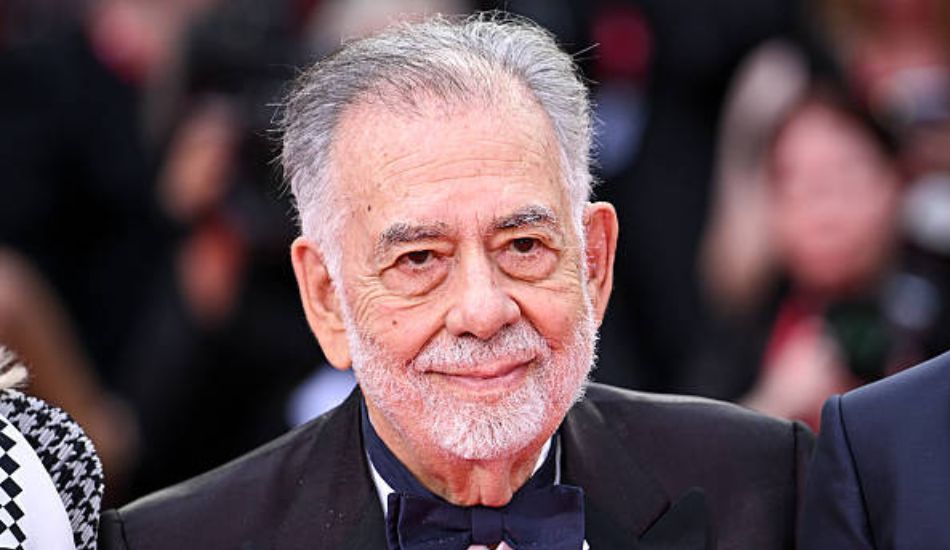
Francis Ford Coppola is one of the most influential figures in the history of cinema, whose career spans over six decades. Known for his visionary direction, iconic films, and contributions to the New Hollywood era, Coppola has left an indelible mark on film history. Beyond filmmaking, he is an entrepreneur, winemaker, and patriarch of a family that continues to shape Hollywood. This article explores his life, career, personal journey, family, and legacy in detail.
Early Life and Background
Francis Ford Coppola was born on April 7, 1939, in Detroit, Michigan, to Carmine Coppola, a composer, and Italia Pennino Coppola, a homemaker with strong artistic roots. His family background immersed him in the arts from a young age, nurturing his creativity. Coppola had two siblings: August Coppola, who became an academic, and Talia Shire, an actress famous for her roles in The Godfather and Rocky series.
As a child, Coppola faced significant health challenges, including polio, which kept him bedridden for a period. During his recovery, he developed an interest in storytelling and filmmaking, making puppet shows and home movies. These early experiences foreshadowed his future career in cinema.
Education
Coppola pursued formal education in the arts, earning a Bachelor of Arts in Drama from Hofstra University. He later continued his studies at UCLA, where he obtained a Master of Fine Arts (MFA) in Cinema. During his time at UCLA, Coppola honed his filmmaking skills and developed the artistic sensibilities that would later define his directorial style.
Personal Life and Family
In 1963, Francis Ford Coppola married Eleanor Coppola (née Neil), a filmmaker, writer, and artist. The couple had three children:
Gian-Carlo Coppola (1963–1986), who tragically died in a boating accident.
Roman Coppola (born 1965), a director, producer, and screenwriter.
Sofia Coppola (born 1971), an acclaimed director known for films like Lost in Translation.
The Coppola family is often described as Hollywood royalty, with extended connections including Nicolas Cage, Coppola’s nephew through his brother August, and actress Talia Shire, his sister. Eleanor Coppola passed away in 2024, leaving a remarkable legacy of collaboration and artistry.
Early Career in Filmmaking
Coppola began his career in the film industry working for Roger Corman, known for producing low-budget films. He gained experience as a second-unit director, screenwriter, and editor, learning the practical aspects of filmmaking. His early work includes:
Dementia 13 (1963) – A low-budget horror film that showcased Coppola’s talent for suspense and visual storytelling.
You’re a Big Boy Now (1966) – A coming-of-age comedy that received critical attention.
These early projects established Coppola’s reputation for innovative storytelling and prepared him for mainstream success.
Breakthrough and Iconic Films
Coppola’s breakthrough came with his work on Patton (as a co-writer), followed by directing his most iconic films:
The Godfather Trilogy
The Godfather (1972) – Considered one of the greatest films in history, it earned Coppola an Academy Award for Best Picture and became a cultural phenomenon.
The Godfather Part II (1974) – This sequel won six Academy Awards, including Best Director and Best Picture, solidifying Coppola’s reputation as a master filmmaker.
The Godfather Part III (1990) – Though less acclaimed than its predecessors, it completed the saga of the Corleone family.
Apocalypse Now (1979)
A landmark war film that explored the psychological and moral impacts of the Vietnam War. The production was famously challenging, but the film’s release cemented Coppola’s legacy for bold, ambitious filmmaking.
The Conversation (1974)
A psychological thriller focusing on surveillance and paranoia, which won the Palme d’Or at Cannes and earned critical acclaim.
Other notable films include The Outsiders, Dracula, Bram Stoker’s Dracula, and The Rainmaker.
Filmmaking Style and Philosophy
Coppola is renowned for:
Character-Driven Narratives: His films focus on complex characters navigating moral dilemmas.
Cinematic Innovation: He employs bold visual styles, innovative camera techniques, and rich soundscapes.
Risk-Taking: Coppola often invests heavily in ambitious projects, prioritizing artistic vision over financial safety.
Ethical Storytelling: Many films tackle social justice, corporate corruption, and human morality, resonating across generations.
He has famously said that being a filmmaker means taking risks and embracing failure as part of the creative process.
Entrepreneurship and the Winery Business
Beyond filmmaking, Coppola is a successful entrepreneur:
Francis Ford Coppola Winery: Located in Sonoma County, the winery combines wine tasting, family-friendly attractions, and sustainable practices. (francisfordcoppolawinery.com)
Inglenook Estate: Coppola owns this historic Napa Valley vineyard, previously known as Rubicon Estate, producing premium wines.
Lifestyle Brand: “Francis Ford Coppola Presents” includes hotels, resorts, restaurants, and signature wines, highlighting his entrepreneurial versatility.
Coppola’s approach to business mirrors his filmmaking philosophy: creativity, innovation, and a personal touch.
Awards and Recognition
Francis Ford Coppola has received numerous accolades throughout his career:
Academy Awards: Multiple Oscars, including Best Picture, Best Director, and Screenplay awards.
Golden Globes: Various wins for directing and producing.
Palme d’Or: For The Conversation (1974).
AFI Life Achievement Award: 2025.
Kennedy Center Honors: 2024.
Irving G. Thalberg Award: Recognizing his contributions to motion picture artistry.
These awards reflect not only commercial success but also enduring influence on global cinema.
Net Worth and Financial Success
Coppola’s net worth is estimated at $400 million, derived from:
Box Office Success: Major earnings from films like The Godfather and Apocalypse Now.
Winery Ventures: Francis Ford Coppola Winery and Inglenook Estate.
Lifestyle Branding: Hotels, restaurants, and merchandise.
His wealth demonstrates a balance between artistic achievement and business acumen.
Legacy and Influence
Coppola is more than a filmmaker; he is a cultural icon:
Influence on Cinema: Revolutionized narrative and visual storytelling, influencing directors like Quentin Tarantino, Martin Scorsese, and Sofia Coppola.
Family Legacy: The Coppola family remains a powerhouse in Hollywood, continuing to shape the film industry.
Mentorship: Coppola has nurtured young filmmakers and encouraged innovation in cinema.
Cultural Impact: His films continue to resonate worldwide, reflecting social, moral, and historical themes.
Trivia and Lesser-Known Facts
Coppola’s early 8-mm films were created during his polio recovery.
He is a mentor and uncle to Nicolas Cage, a celebrated actor.
His daughter Sofia Coppola has won an Academy Award for Best Original Screenplay (Lost in Translation).
Coppola continues to create ambitious projects, including Megalopolis, financed largely through his own resources.
Despite financial risks, he consistently prioritizes artistic integrity over commercial trends.
Conclusion
Francis Ford Coppola is a filmmaker, entrepreneur, and visionary whose influence transcends generations. From The Godfather to Apocalypse Now, his films explore human morality, societal challenges, and personal struggle, earning him a permanent place in cinema history. Beyond the silver screen, Coppola’s ventures in winemaking, hospitality, and family enterprises highlight his creative and entrepreneurial spirit. He is a testament to the power of vision, persistence, and artistry, inspiring filmmakers and audiences alike.
For more detailed biographies, movie analyses, and industry insights, visit Thegoted.com.