
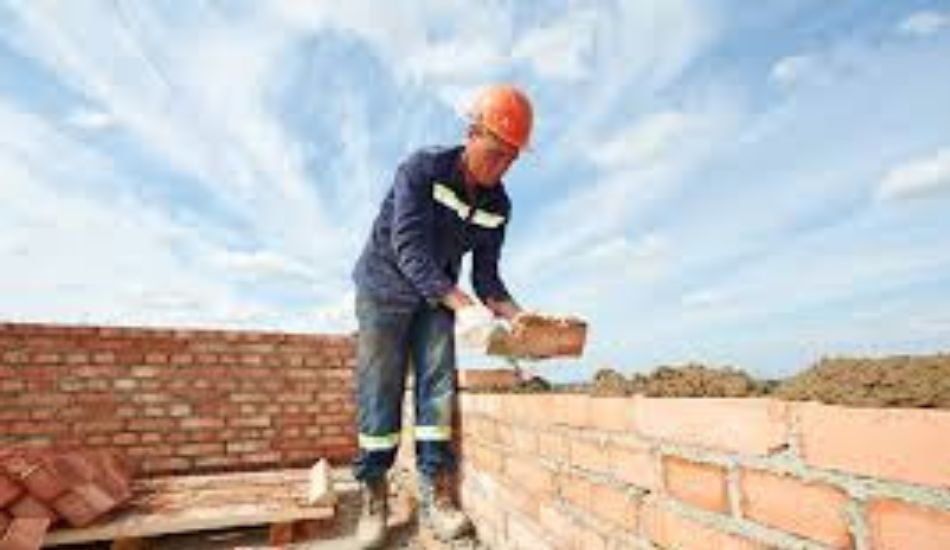
Brick Construction: Comprehensive Guide to Techniques, Types, and Modern Trends
Brick construction is one of the most enduring and versatile methods in the history of building. From ancient civilizations to modern architecture, bricks have been used to create structures that are durable, fire-resistant, and aesthetically appealing. Whether it’s a residential wall, a commercial facade, or monumental architecture, understanding brick construction techniques, types of bricks, and the wall-building process is essential for architects, builders, and homeowners alike.
What Is Brick Construction?
Brick construction involves assembling individual units called bricks, typically made from clay, concrete, or other composite materials, into a stable wall or structure using mortar. Mortar, a mixture of cement, sand, and water, binds the bricks together, filling gaps and providing structural cohesion. The practice of brick masonry is ancient but continues to evolve with modern technologies, offering both structural integrity and aesthetic versatility.
Why Brick Construction Is Popular
Brick construction is widely appreciated for several reasons:
Durability: Properly built brick walls can last for centuries without major degradation.
Fire Resistance: Bricks are naturally non-combustible, providing enhanced safety.
Thermal Mass: Brick walls help regulate indoor temperatures by absorbing and slowly releasing heat.
Aesthetic Flexibility: Bricks come in various colors, textures, and finishes, allowing creative design options.
Low Maintenance: Bricks require minimal maintenance compared to other building materials.
Brick Construction Companies
Modern brick production is often handled by specialized companies that supply both raw bricks and masonry products:
Acme Brick Company (USA) produces a wide range of clay bricks and masonry units.
Midland Brick (Australia) is known for high-quality bricks for residential and commercial projects.
Many local suppliers worldwide offer customized bricks, such as fly ash or eco-friendly bricks for sustainable construction.
Brick Wall Construction Process
Constructing a brick wall involves several precise steps:
1. Foundation Preparation
A strong foundation is critical to support the brick wall.
Dig a trench according to wall thickness and load.
Pour concrete footing to stabilize the base.
Install a Damp Proof Course (DPC) layer to prevent rising moisture.
2. Laying Bricks
Mix mortar in the correct proportion for bonding strength.
Start with the first course of bricks, ensuring they are level.
Apply mortar between bricks, using 10–12 mm joints for standard walls.
Follow a chosen bond pattern (e.g., English, Flemish, Header) to ensure structural stability.
3. Joint Finishing
Tool mortar joints to compact and smooth them.
Different pointing techniques like flush, recessed, or weather-struck affect aesthetics and water resistance.
4. Curing
Allow mortar to cure properly to gain maximum strength.
Protect walls from extreme weather during curing to prevent cracking.
Types of Bricks
There are several types of bricks used in construction:
Burnt Clay Bricks – Traditional bricks made from clay and fired in a kiln. Classified into first-class to fourth-class based on quality.
Fly Ash Bricks – Made from industrial byproducts, eco-friendly, and gaining popularity in modern construction.
Sand-Lime Bricks (Calcium Silicate Bricks) – Made from sand and lime, providing high compressive strength.
Engineering Bricks – Dense and durable bricks for load-bearing or heavy-duty applications.
Special Bricks – Clinker bricks, bullnose bricks, and coping bricks for decorative or functional purposes.
Brick Size and Construction Details
Standard Size: Common nominal brick size is approximately 23 × 11.4 × 7.5 cm, though dimensions may vary regionally.
Mortar Joint Thickness: Typically 10 mm for horizontal and vertical joints.
Construction Detail:
Proper alignment and levelness are critical.
Correct mortar mix and curing ensure long-term strength.
Bond patterns impact both aesthetics and structural integrity.
Modern Brick Construction Trends
Sustainable Bricks: Use of fly ash and recycled materials is rising in modern architecture.
Hybrid Masonry: Combining reinforced masonry with traditional brickwork improves durability.
Brick Cladding: Thin brick veneers are used for aesthetic appeal while reducing wall weight.
Prefabricated Brick Panels: Speed up construction and maintain quality in commercial buildings.
smart bricks: Innovations include interlocking bricks and bricks integrated with sensors or insulation.
How to Build a Brick Wall Foundation
Excavation: Dig a trench matching wall width and depth requirements.
Footing: Pour reinforced concrete footing for a stable base.
Damp Proof Course (DPC): Prevents moisture from rising into the wall.
First Course of Bricks: Laid on mortar; ensure proper alignment and leveling.
Building the Wall: Lay bricks course by course, applying mortar and following the selected bond.
Reinforcement (Optional): For tall or load-bearing walls, steel bars or reinforcement may be added.
Curing: Allow mortar to set properly while protecting from excessive sun or rain.
Advantages and Challenges
Advantages:
Longevity and resilience against weather and fire.
Thermal regulation for energy efficiency.
Variety of textures and colors for design versatility.
Eco-friendly options with recycled materials.
Challenges:
Labor-intensive; requires skilled masons.
Time-consuming construction process.
Weight demands strong foundation design.
Moisture infiltration if joints are poorly maintained.
Conclusion
Brick construction is a cornerstone of architecture, blending durability, aesthetic versatility, and functional performance. From historical clay bricks to modern eco-friendly and prefabricated variants, bricks continue to shape homes, commercial buildings, and public structures worldwide. Understanding the construction process, types of bricks, foundation techniques, and modern innovations is essential for anyone involved in building design or construction. With ongoing advancements in materials and methods, brick construction remains relevant and highly valued in modern architecture.
For more detailed insights on construction and architectural techniques, visit Thegoted.com.