Warner Bros. Records: History, Artists, and Legacy of a Music Powerhouse
What is Warner Bros. Records?
Warner Bros. Records, now rebranded as Warner Records, is one of the most influential and longstanding record labels in the global music industry. Founded on March 19, 1958, in California, it began as the music division of Warner Bros., the iconic film studio. Over decades, the label grew from producing soundtrack albums to signing some of the world’s most renowned artists, spanning multiple genres including rock, pop, hip-hop, and alternative music.
The label has always prioritized artist creativity and innovation, allowing musicians the freedom to experiment while providing major distribution power. It operates under the larger umbrella of Warner Music Group (WMG), one of the “big three” global music conglomerates alongside Universal Music Group and Sony Music Entertainment.
Founding and Early History
Warner Bros. Records was founded by Jack L. Warner, the legendary co-founder of Warner Bros. Pictures, as a way to control the music rights of their films and to give studio artists an outlet for their recordings. Its early years focused on soundtrack albums, including releases from major Warner Bros. movies.
In 1963, the label acquired Reprise Records, a label originally founded by Frank Sinatra. This acquisition expanded Warner Bros. Records’ influence and catalog, bringing in new genres and artists. From its inception, the label’s strategy focused on signing talented artists and giving them creative freedom, a philosophy that became a hallmark of its brand.
Growth and Expansion: The WEA Era
During the 1960s and 1970s, Warner Bros. Records expanded aggressively. By acquiring Elektra Records and Atlantic Records, the label became part of a broader distribution network known as WEA (Warner-Elektra-Atlantic). This network strengthened Warner’s global reach and solidified its position in the music industry.
Leadership under executives like Mo Ostin and Lenny Waronker emphasized artist-first policies, attracting groundbreaking talents across genres. Warner Bros. Records became known for signing boundary-pushing acts and allowing them the freedom to create innovative music, which often led to both commercial success and critical acclaim.
Artists and Discography
Warner Bros. Records has an extensive catalog that spans decades and includes legendary artists as well as contemporary stars. The label has historically signed musicians from diverse genres:
Rock & Folk: Warner’s early roster included iconic rock and folk acts who shaped the sound of the 1960s and 1970s.
Pop & Alternative: In later decades, Warner embraced new wave, punk, pop, and alternative artists, ensuring continued relevance.
Modern Era: Today, Warner Records represents major global talents across pop, hip-hop, indie, and electronic music, continuing its legacy of supporting innovative and diverse artists.
The label’s discography is extensive, encompassing thousands of albums and singles, including chart-topping hits, critically acclaimed releases, and influential recordings that have defined multiple generations.
Rebranding: Warner Bros. Records to Warner Records
In 2019, Warner Bros. Records rebranded as Warner Records, marking a significant milestone in its history. The rebranding was necessary because, after the separation from Warner Bros. Pictures, the label’s license to use the “Warner Bros.” name expired.
The new logo is a modern circular design representing a record, sun, and globe, symbolizing Warner Records’ global reach, legacy, and forward-looking vision. The rebrand reinforced the label’s identity as a contemporary music powerhouse while retaining its historic reputation for supporting artists and innovation.
Ownership and Parent Organization
Warner Records is a subsidiary of Warner Music Group (WMG). The company is part of WMG Acquisition Corp, which oversees the corporate structure and global operations. Warner Music Group is one of the largest music conglomerates in the world and continues to compete with Universal Music Group and Sony Music Entertainment in the global music market.
Headquarters and Contact
Warner Records is headquartered in Los Angeles, California, with offices and operations spanning globally. The label maintains an official website where fans, artists, and industry professionals can access information about its roster, history, and contact details.
The label’s contact information is publicly available for professional inquiries, and its headquarters in Los Angeles serves as the central hub for its executive leadership and administrative functions.
Leadership: CEO and COO
Warner Records is led by prominent executives who oversee its operations and strategic direction:
Aaron Bay-Schuck – Co-Chairman & CEO (since October 1, 2018)
Tom Corson – Co-Chairman & COO
Under their leadership, Warner Records has embraced digital innovation, artist development, and global expansion, ensuring the label remains competitive in the rapidly evolving music industry.
Warner Bros. Records Logo and Branding
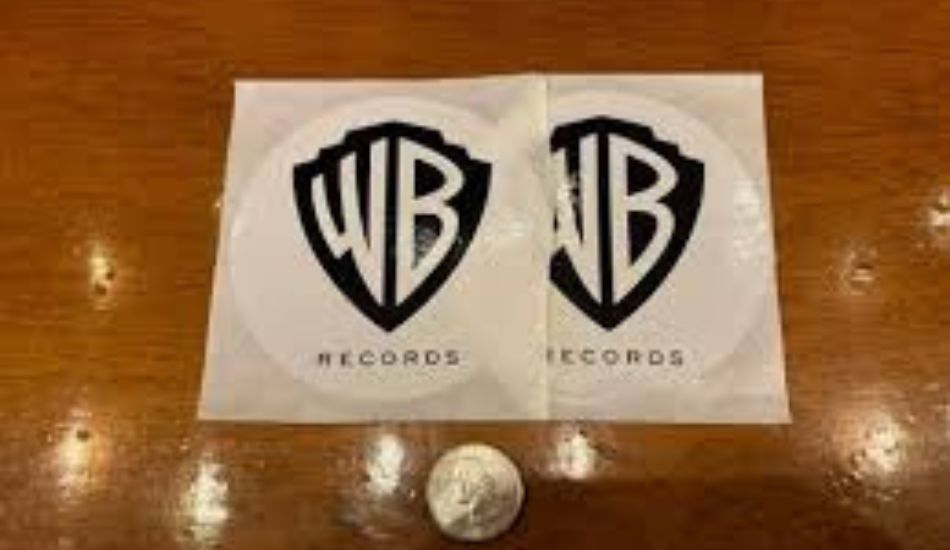
The original Warner Bros. Records logo featured the iconic Warner Bros. shield, linking it to the film studio. With the 2019 rebrand, Warner Records adopted a fresh circular logo, reflecting modernity and global reach. The new design is versatile, used across digital platforms, physical releases, and marketing campaigns, emphasizing the label’s evolution while respecting its heritage.
Warner Records and Universal Music Group
While Warner Records operates independently under WMG, it is part of the competitive landscape alongside Universal Music Group (UMG) and Sony Music Entertainment. Each of these companies dominates global music distribution, artist management, and publishing. Warner’s strategy combines artist-first policies, innovative releases, and global distribution to maintain its position among the industry’s top players.
Warner Records Artists and Global Impact
The label has been home to some of the world’s most influential musicians, from classic rock legends to modern pop stars. Artists signed to Warner Records benefit from creative freedom, extensive marketing support, and global distribution, allowing them to reach audiences worldwide.
Warner Records’ commitment to artist development has also enabled it to nurture emerging talents, helping them build long-term careers while maintaining the label’s reputation as a hub of innovation and creativity.
Warner Records Website and Contact
The official Warner Records website provides comprehensive information about the label, including its artist roster, latest releases, news, and contact details. It serves as a central hub for fans, media, and industry professionals to engage with the label.
For professional inquiries, Warner Records maintains dedicated contact points, ensuring that artists, managers, and business partners can connect with the company efficiently.
Conclusion: Legacy and Future
Warner Bros. Records, now Warner Records, has maintained a legacy of innovation, artist support, and global influence for over six decades. From its founding in 1958 to its modern incarnation, the label has played a pivotal role in shaping the music industry, signing legendary artists, and supporting groundbreaking music.
With leadership focused on digital innovation, global expansion, and artist development, Warner Records continues to be a major player in the global music scene, ready to shape the next generation of music history.
This article is published by Thegoted.com