Roger Ebert Books: A Comprehensive Look at the Life and Work of a Legendary Film Critic
Roger Ebert was more than just a film critic. He was an author, essayist, television personality, and cultural icon whose influence shaped the way millions of people around the world understood and appreciated cinema. Over his more than four-decade career, Ebert authored numerous books, most famously his The Great Movies series, which collected his most thoughtful essays on cinema masterpieces. This article delves deep into Roger Ebert’s life, education, career, books, health challenges, and legacy, providing a detailed overview for anyone seeking to understand this legendary figure.
Who is Roger Ebert?
Roger Joseph Ebert was born on June 18, 1942, in Urbana, Illinois, USA, to Annabel, a bookkeeper, and Walter Ebert, an electrician. As the only child in a supportive household, Ebert displayed an early affinity for writing and storytelling. By age 15, he was already covering high school sports for local newspapers, demonstrating both his skill and passion for journalism. His early exposure to the written word and media would set the foundation for an illustrious career.
Ebert’s influence extended far beyond newspaper columns. Through television, books, and online media, he became a household name, known for his insightful, accessible, and often witty film reviews. Alongside his wife, Chaz Ebert, he built a legacy that continues to inspire both film enthusiasts and critics alike.
Education and Early Career
Roger Ebert’s educational journey reflected his deep interest in media and writing. He attended the University of Illinois at Urbana-Champaign, where he edited the campus newspaper, The Daily Illini, honing his writing and editorial skills. He earned a Bachelor of Arts in Journalism in 1964. After graduation, he spent a year in Cape Town, South Africa, on a Rotary scholarship, further broadening his worldview.
He briefly pursued graduate studies in English at the University of Chicago but left after a year to accept a position at the Chicago Sun-Times in 1967. This decision marked the start of a career that would see Ebert become one of the most recognized and respected film critics in history.
Career Highlights: Journalism, Television, and Film Criticism
Ebert’s career spanned several mediums, each contributing to his reputation as a cultural authority:
Chicago Sun-Times: As chief film critic for over 40 years, Ebert reviewed thousands of films, covering everything from Hollywood blockbusters to independent cinema. His critiques were both approachable and insightful, blending knowledge of film history with a keen understanding of storytelling.
Pulitzer Prize: In 1975, Ebert became the first film critic to win a Pulitzer Prize for Criticism, cementing his status as a serious voice in journalism.
Television: Alongside Gene Siskel, Ebert co-hosted the acclaimed show Siskel & Ebert & the Movies, introducing the “thumbs up / thumbs down” rating system to millions of viewers. After Siskel’s death, he continued with Richard Roeper on At the Movies, making film criticism accessible to a global audience.
Screenwriting: Early in his career, Ebert co-wrote the screenplay for Beyond the Valley of the Dolls (1970), demonstrating his versatility and understanding of the cinematic craft.
Through these platforms, Ebert became a trusted voice, balancing critique with appreciation, and always encouraging audiences to think critically about the films they watched.
Roger Ebert Books: A Legacy of Film Criticism
Ebert’s influence extended beyond journalism and television. He was a prolific author, publishing several books that are now considered essential reading for film enthusiasts:
The Great Movies Series
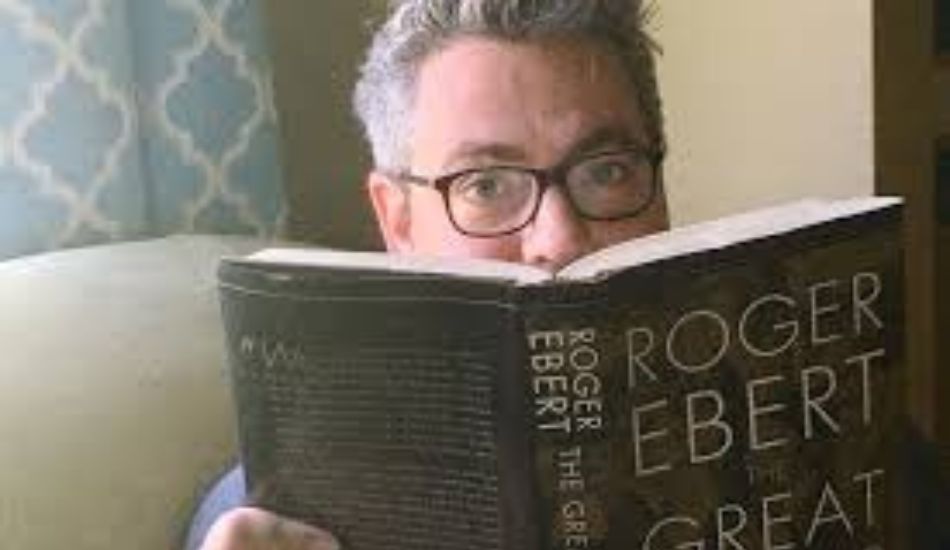
The Great Movies (2003): This seminal book collected Ebert’s essays on what he considered the finest films in cinema history. Each essay offered a deep dive into the film’s artistic, cultural, and historical significance, providing readers with both analysis and context.
The Great Movies II (2006) and III (2011): These subsequent volumes continued Ebert’s exploration of cinematic masterpieces, reflecting his evolving tastes and critical perspectives. The series remains a definitive resource for anyone seeking to understand the evolution of film and the criteria for greatness.
Other Notable Works
I Hated, Hated, Hated This Movie: A collection of Ebert’s most scathing reviews, demonstrating his willingness to critique boldly and honestly when films failed to meet his standards.
Awake in the Dark: The Best of Roger Ebert: This compilation features essays and reviews that highlight his voice as a critic, showcasing his intellectual rigor, humor, and humanity.
Roger Ebert’s Movie Yearbook Series: Annual publications featuring reviews of contemporary films, reflecting Ebert’s ongoing engagement with current cinema.
Through these books, Ebert educated, challenged, and inspired readers, offering them tools to understand the art and craft of filmmaking. His writings often went beyond simple evaluation, encouraging deeper reflection on culture, society, and storytelling.
Health Challenges and Jaw Surgery
In 2002, Ebert was diagnosed with thyroid cancer, which later affected his salivary glands. By 2006, complications from cancer and subsequent surgeries led to the removal of part of his lower jaw. This life-altering procedure resulted in the loss of his ability to speak, eat, and drink normally.
Despite these challenges, Ebert’s dedication to film criticism never wavered. He continued writing prolifically, using a notebook, an electronic voice synthesizer, and the support of his wife, Chaz, to communicate. His perseverance in the face of adversity became an inspiring chapter in his life story, highlighting his resilience and passion for cinema.
Personal Life
Roger Ebert married Chaz Ebert in 1992. Their partnership was marked by mutual support, particularly during his health struggles. Chaz played a significant role in managing Ebert’s public appearances, website, and communications following his surgery.
Ebert’s personal warmth, kindness, and generosity were frequently noted by colleagues, friends, and fans. Though he faced immense personal challenges, he maintained a positive spirit and remained engaged with his audience until the end of his life.
Death and Legacy
Roger Ebert passed away on April 4, 2013, at the age of 70, after a long battle with cancer. His death marked the loss of a pioneering voice in film criticism, but his work continues to resonate:
Film Criticism: Ebert’s reviews and essays are still widely read, studied, and cited by film students, critics, and enthusiasts.
Books: His The Great Movies series remains a cornerstone for anyone interested in film history and appreciation.
Television and Media: His influence on television criticism shaped how audiences engage with film, encouraging thoughtful analysis over passive viewing.
Inspiration: Ebert’s perseverance after losing his jaw and voice inspired countless people to pursue their passions despite adversity.
Through these contributions, Roger Ebert’s legacy lives on, continuing to educate, inspire, and entertain.
Roger Ebert’s Best Reviews and Contributions
Ebert reviewed thousands of films over his career, with some of his most celebrated essays and reviews including:
“Citizen Kane” — hailed as a masterpiece and one of the greatest films of all time.
“Pulp Fiction” — praised for its innovative storytelling and cinematic style.
“The Godfather” series — Ebert’s analysis captured the complexity of character, narrative, and visual storytelling.
He had a unique ability to combine technical knowledge with emotional insight, ensuring his critiques were accessible yet profoundly insightful. His writing often went beyond the screen, connecting film to broader cultural, historical, and social contexts.
Conclusion
Roger Ebert was a luminary whose contributions to film criticism, journalism, and literature transformed the way people engage with cinema. Through his books, essays, and reviews, he educated generations of audiences, helping them understand and appreciate the artistry of filmmaking. His The Great Movies series stands as a testament to his intellectual rigor, passion for film, and enduring legacy.
For more detailed profiles and insights on Roger Ebert and his influential works, visit Thegoted.com.