Maggie Cheung: A Complete Biography of Hong Kong’s Cinematic Icon
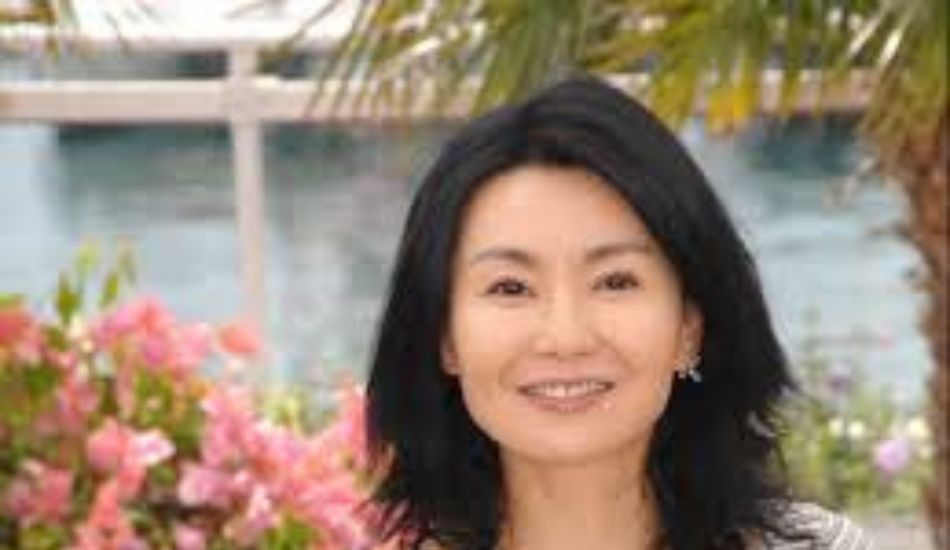
Maggie Cheung Man-yuk (張曼玉) is one of the most celebrated and influential actresses in Chinese cinema. With a career spanning decades, she has successfully transitioned from commercial Hong Kong films to critically acclaimed international arthouse cinema, earning numerous awards along the way. This article explores her life, career, achievements, personal life, and legacy.
Who is Maggie Cheung?
Maggie Cheung, born on September 20, 1964, in Hong Kong, is widely recognized as a trailblazing figure in the film industry. Known for her beauty, elegance, and versatility, she has become a symbol of Hong Kong cinema globally. Fluent in Cantonese, English, and Mandarin, and proficient in some French, Maggie has worked across various film industries, gaining international recognition.
Her family roots trace back to Shanghai, and she spent part of her childhood in the United Kingdom, where she attended school before returning to Hong Kong to begin her entertainment career.
Maggie Cheung’s Early Life and Education
Maggie grew up with a cosmopolitan upbringing, balancing life between Hong Kong and the UK. At the age of eight, she moved with her family to England, where she continued her education. Her formative years abroad exposed her to diverse cultures and languages, which later helped her navigate international cinema.
After finishing school, Maggie returned to Hong Kong around the age of 18. Her entry into the entertainment industry was marked by participation in beauty pageants. In 1983, she was the first runner-up in the Miss Hong Kong Pageant, which opened the door to acting opportunities in television and film.
Maggie Cheung’s Career
Early Career in Hong Kong
Maggie’s initial work focused on commercial Hong Kong cinema. Her first notable film appearance was in Behind the Yellow Line (1984), followed by several roles in popular action and romantic films. She collaborated with prominent actors like Jackie Chan in movies such as Police Story, which helped her gain mainstream recognition.
During the late 1980s, Maggie expanded her range, appearing in films such as As Tears Go By (1988) and A Fishy Story (1989). These roles allowed her to demonstrate her dramatic skills and transition from commercial films to more serious cinematic projects.
Rise to International Fame
The 1990s marked Maggie Cheung’s ascent as an international star. Her performance in Center Stage (1992) earned her the Silver Bear for Best Actress at the Berlin International Film Festival, establishing her reputation as a serious actress capable of delivering nuanced performances.
She continued to shine in both Hong Kong and international cinema, starring in films like Comrades: Almost a Love Story (1996) and Hero (2002), directed by Zhang Yimou. Her work in Hero alongside Jet Li and Tony Leung further solidified her global presence.
Art-House and Critical Acclaim
Maggie Cheung became synonymous with art-house cinema with her roles in films such as In the Mood for Love (2000), directed by Wong Kar-wai. The film received critical acclaim worldwide and remains a landmark in both Hong Kong and global cinema.
In 2004, she won the Best Actress Award at the Cannes Film Festival for her performance in Clean, making her the first Asian actress to receive this honor. This achievement highlighted her ability to cross cultural and linguistic boundaries and appeal to diverse audiences.
Filmography and Best Movies
Maggie Cheung has appeared in over 70 films spanning multiple genres. Some of her most notable works include:
Behind the Yellow Line (1984) – Early Hong Kong romantic drama
Police Story (1985) – Action film with Jackie Chan
As Tears Go By (1988) – Drama by Wong Kar-wai
A Fishy Story (1989) – Dramatic role showcasing emotional depth
Center Stage (1992) – Biography of actress Ruan Lingyu, Silver Bear win
Comrades: Almost a Love Story (1996) – Critically acclaimed romance
In the Mood for Love (2000) – Internationally celebrated arthouse film
Hero (2002) – Martial arts epic with Jet Li
Clean (2004) – Cannes Best Actress award-winning performance
Maggie’s ability to navigate between commercial and art-house films highlights her versatility and enduring appeal.
Maggie Cheung’s Personal Life
Maggie Cheung has generally maintained a private personal life. She was married to French filmmaker Olivier Assayas from 1998 to 2001. There is no publicly confirmed information about children. Maggie’s private nature has helped her maintain a sense of mystery and respect in both media and public circles.
Songs and Other Ventures
While primarily known as an actress, Maggie has also dabbled in music and performances for select projects, but she is not primarily recognized as a singer. Her main legacy remains her acting, which continues to inspire filmmakers and audiences alike.
Maggie Cheung Now (2025)
As of 2025, Maggie Cheung has stepped back from mainstream acting. She spends her time between Hong Kong and Paris, occasionally appearing at fashion events or private engagements. Her cinematic legacy continues to influence new generations of actors and filmmakers.
Despite her reduced public presence, Maggie’s films are regularly celebrated in retrospectives, film festivals, and academic studies, ensuring her work remains relevant and appreciated worldwide.
Awards and Achievements
Maggie Cheung has received numerous accolades for her performances:
Cannes Film Festival – Best Actress for Clean (2004)
Berlin International Film Festival – Silver Bear for Center Stage (1992)
Multiple Hong Kong Film Awards – Best Actress
Multiple Golden Horse Awards – Best Actress
Her recognition at major international festivals marks her as one of the most respected and versatile actresses in global cinema.
Maggie Cheung’s Legacy
Maggie Cheung remains a cultural icon in Hong Kong and around the world. She successfully bridged commercial and art-house cinema, bringing Hong Kong films to international audiences. Her performances are studied for their emotional depth, subtlety, and artistic merit.
She serves as an inspiration to aspiring actors, particularly in Asia, proving that talent, dedication, and adaptability can lead to both critical and commercial success.
Conclusion
Maggie Cheung is more than just an actress; she is a symbol of elegance, versatility, and artistic excellence. From her early days as a beauty pageant contestant to her award-winning performances in international cinema, Maggie has left an indelible mark on the film industry.
Her career demonstrates the power of talent and dedication, and her influence continues to resonate with filmmakers, critics, and audiences. For more detailed insights into iconic actors and cinema, visit Thegoted.com.