Jet Li Tony Leung in Hero (2002): Cast, Story, and Legacy
Hero (2002), directed by the legendary Zhang Yimou, is one of the most visually stunning and thematically rich wuxia films in cinematic history. Starring Jet Li, Tony Leung Chiu‑wai, and Maggie Cheung, the film combines breathtaking martial arts sequences with a profound story about honor, loyalty, and sacrifice. With its intricate storytelling, rich symbolism, and stellar cast, Hero has become a hallmark of Chinese cinema and one of the most influential martial arts films of the 21st century.
This article explores the cast of Hero (2002), focusing on Jet Li and Tony Leung, their roles, performances, and the lasting impact of the film.
Introduction to Hero (2002)
Released in 2002, Hero is set during China’s Warring States period and follows a nameless warrior, portrayed by Jet Li, who claims to have defeated three deadly assassins. The film unfolds as a series of flashbacks, exploring the true motives and complex moral dilemmas behind these events.
With a running time of approximately 99 minutes, Hero is a Mandarin-language film that achieved both critical acclaim and commercial success. It grossed around $177 million worldwide, making it one of the highest-grossing Chinese-language films at the time. The film’s cinematography, use of color, and choreographed fight sequences established a new benchmark for wuxia films internationally.
Cast of Hero (2002)
Hero features a stellar ensemble cast, each contributing to the film’s dynamic narrative:
Jet Li as Nameless
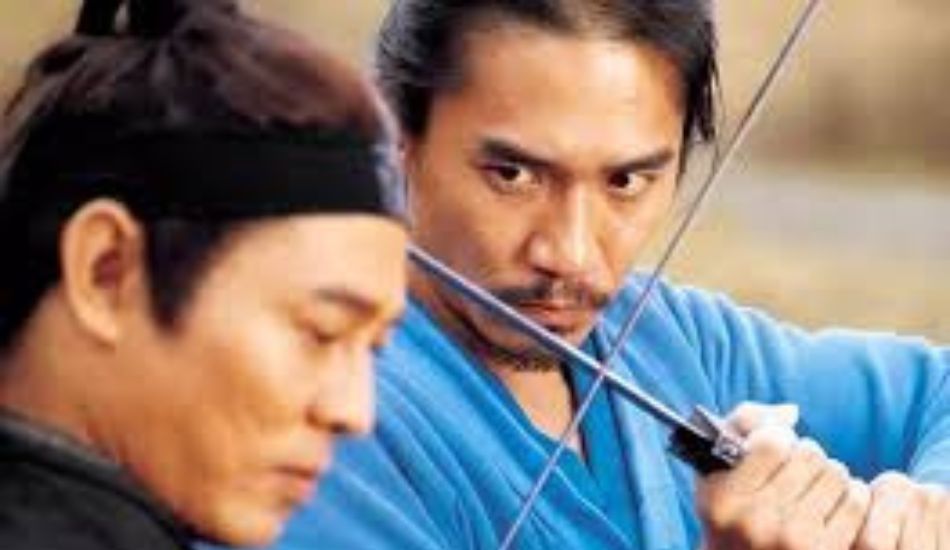
Jet Li plays the lead role, Nameless, a master swordsman and former soldier who comes to the King of Qin claiming to have defeated the three assassins. Nameless is portrayed as a calm, disciplined, and honorable warrior, whose story reveals the deeper themes of loyalty and sacrifice. This role showcased Jet Li’s martial arts mastery combined with nuanced acting, solidifying his status as an international action star.
Tony Leung Chiu-wai as Broken Sword
Tony Leung portrays Broken Sword, one of the assassins sent to kill the King of Qin. Unlike Nameless, Broken Sword embodies moral complexity and philosophical reflection. He is a master swordsman whose loyalty, sense of justice, and inner conflict add emotional depth to the narrative. Tony Leung’s performance is widely praised for its subtlety, conveying emotion through minimal dialogue and expressive physicality.
Maggie Cheung as Flying Snow
Maggie Cheung plays Flying Snow, Broken Sword’s lover and fellow assassin. Her character represents vengeance, love, and dedication, creating tension between personal desire and moral obligation. Maggie Cheung’s performance adds elegance and emotional weight, complementing the film’s central themes.
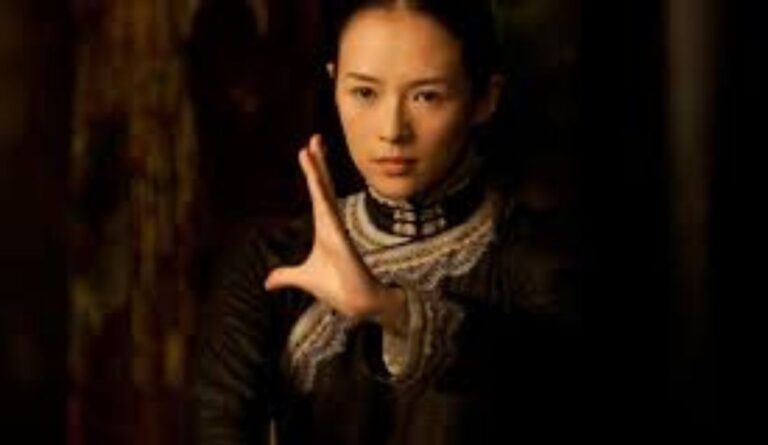
Other notable cast members include Zhang Ziyi, Donnie Yen, and Chen Daoming. Each character contributes to the complex interplay of honor, loyalty, and ambition, enhancing the film’s narrative richness.
Jet Li’s Role in Hero
Jet Li, already an established martial arts icon, brought physical prowess and charisma to Nameless. His character is central to the film’s moral and narrative arc. Key aspects of Nameless include:
Master swordsman and disciplined warrior: Jet Li’s expertise in martial arts allows the film to showcase stunning fight sequences, including wire-assisted acrobatics and stylized combat.
Moral complexity: Though he claims to have killed the assassins, Nameless’s ultimate loyalty is to the idea of peace and unification, demonstrating that true heroism sometimes involves personal sacrifice.
Symbol of unity and patriotism: Nameless embodies the hope for a unified China, willing to set aside personal glory for the greater good.
This performance reinforced Jet Li’s reputation as one of the most accomplished action stars globally while proving he could deliver a role with emotional depth and narrative significance.
Tony Leung’s Role in Hero
Tony Leung’s portrayal of Broken Sword is widely regarded as one of the most memorable in wuxia cinema. Highlights of his character include:
Philosophical depth: Broken Sword’s internal struggles reflect on themes of morality, justice, and the consequences of vengeance.
Emotional resonance: Tony Leung conveys profound emotion through subtle facial expressions, body language, and sparing dialogue, making Broken Sword a character whose inner life feels authentic and relatable.
Contrast with Nameless: Broken Sword serves as a foil to Nameless, highlighting the tension between personal loyalty and broader moral duty.
Tony Leung’s performance is a masterclass in understated acting, proving that wuxia films can combine action with profound emotional storytelling.
Maggie Cheung and Supporting Cast
Maggie Cheung’s Flying Snow complements the central duel between Nameless and Broken Sword. Her character provides:
Romantic and emotional stakes: The love and rivalry between Flying Snow and Broken Sword create additional layers of tension.
Physical skill: Maggie Cheung’s sword fighting scenes are integral to the film’s visual and martial appeal.
Narrative complexity: Flying Snow’s presence underscores the theme that personal motivations often intersect with political ambitions and moral dilemmas.
Other supporting actors, including Zhang Ziyi and Donnie Yen, further enhance the film with their skillful performances, ensuring that every character contributes meaningfully to the story.
Hero (2002) — Visual Style and Direction by Zhang Yimou
Director Zhang Yimou elevates Hero beyond a standard martial arts film through his meticulous use of color, framing, and choreography:
Color symbolism: Different sequences are dominated by specific colors (red, blue, green, white), reflecting emotion, perspective, and narrative shifts.
Cinematic choreography: Martial arts sequences are blended with cinematic techniques, creating scenes that are both visually stunning and emotionally charged.
Narrative storytelling: The use of multiple perspectives and flashbacks enhances the film’s moral and philosophical themes, allowing audiences to explore truth, honor, and perception.
Zhang Yimou’s direction ensures that Hero is celebrated not only for its action but also for its artistic and thematic sophistication.
Hero (2002) — Reception and Awards
Hero received critical acclaim for its visuals, performances, and storytelling:
Box office success: Grossed over $177 million worldwide.
Critical acclaim: Praised for cinematography, action choreography, and emotional depth.
Awards: Nominated and won numerous accolades, including recognition for its technical achievements, visual design, and international impact.
Legacy: Inspired future wuxia and martial arts films globally, influencing how Chinese cinema is perceived in the West.
The combination of Jet Li’s heroism, Tony Leung’s subtle acting, and Zhang Yimou’s visionary direction made Hero a defining film of the early 2000s.
Conclusion
Hero (2002) remains a cinematic masterpiece thanks to the synergy of its talented cast and visionary direction. Jet Li’s portrayal of Nameless and Tony Leung’s Broken Sword showcase the perfect balance of martial arts skill and emotional depth, while Maggie Cheung adds elegance and intensity to the story. Under Zhang Yimou’s direction, the film achieves a remarkable blend of action, philosophy, and artistry.
For fans of martial arts cinema, Hero is a timeless classic that continues to inspire filmmakers and audiences alike.
For more detailed insights into iconic films and legendary actors, visit Thegoted.com.