Fernando Gaitán: Life, Career, and the Legacy of a Television Icon
Who is Fernando Gaitán?
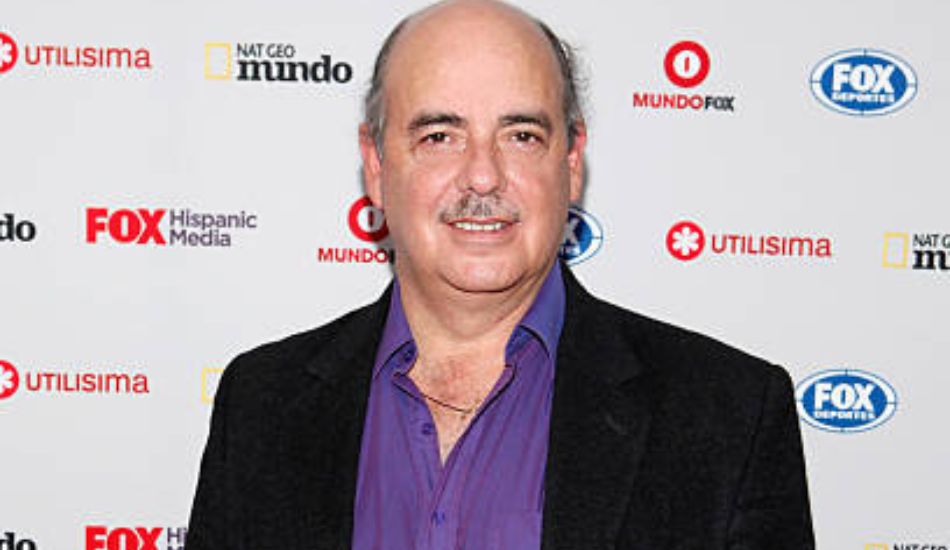
Fernando Gaitán Salom was a Colombian television screenwriter and producer, widely regarded as one of the most influential figures in Latin American television. He is best known as the creator of the global phenomenon Yo soy Betty, la fea, a show that not only revolutionized telenovelas in Colombia but also sparked one of the most successful TV-franchise waves worldwide.
Born on November 9, 1960, in Bogotá, Colombia, Gaitán’s career spanned over three decades, during which he wrote and produced dozens of shows that resonated deeply with audiences.
Fernando Gaitán Age and Birthday; Death
Fernando Gaitán was born on November 9, 1960, in Bogotá, Colombia. Tragically, he passed away on January 29, 2019, in Bogotá at the age of 58 due to a cardiorespiratory arrest. His death was widely mourned across the entertainment world, particularly in Latin America, as the loss of a creative mind who had redefined television storytelling.
Fernando Gaitán Education & Early Background
Details about Gaitán’s formal education are limited, but it is known that he began his career in journalism before transitioning into television. His early experience as a journalist helped him develop a keen understanding of storytelling and human behavior, which later became a trademark of his work in telenovelas. His ability to portray social realities with authenticity and humor set him apart from other writers of his time.
Fernando Gaitán Career: Rise to Prominence
Fernando Gaitán’s career in television spanned more than thirty years. Starting in the late 1980s, he contributed to a wide variety of telenovelas and television series, gradually establishing himself as a master storyteller. His early works include shows such as Azúcar, La quinta hoja del trébol, La fuerza del poder, and Café, con aroma de mujer. The latter became one of Colombia’s most successful telenovelas, earning him widespread recognition and setting the stage for his later successes.
But it was in 1999 that Gaitán created his defining work: Yo soy Betty, la fea.
TV Shows with Fernando Gaitán: Notable Works
Throughout his career, Fernando Gaitán created and contributed to many influential television shows, including:
Café, con aroma de mujer — a landmark telenovela that explored love, class, and social issues.
Guajira (1996) and Carolina Barrantes (1998), which highlighted his range and ability to connect with audiences.
Yo soy Betty, la fea (1999–2001) — his most iconic work, which gained international acclaim.
Ecomoda (2001) — a spin-off continuation of the Betty universe.
Later telenovelas like Hasta que la plata nos separe (2006) and Destilando amor (2007), which maintained his signature storytelling style.
Gaitán’s television projects consistently blended humor, romance, and social commentary, making his work relatable across a wide audience.
Yo soy Betty, la fea: The Phenomenon
Yo soy Betty, la fea premiered on October 25, 1999, and concluded on May 8, 2001, spanning 335 episodes. The story follows Beatriz “Betty” Pinzón Solano, a brilliant but socially awkward woman who works at the fashion company Ecomoda. Rather than focusing on traditional beauty standards, Gaitán crafted a story centered on Betty’s intelligence, heart, and personal growth.
The show’s success was extraordinary:
It was broadcast in over 180 countries.
It was adapted into numerous international versions, including the U.S. hit Ugly Betty, Mexico’s La fea más bella, and Spain’s Yo soy Bea.
In 2010, Yo soy Betty, la fea was recognized as one of the most successful telenovelas of all time.
By centering the narrative on an “ordinary” woman with universal struggles, Gaitán transformed the concept of telenovelas and influenced global television storytelling.
Beyond Betty: Gaitán’s Broader Influence
While Yo soy Betty, la fea remains his most famous work, Fernando Gaitán’s broader contributions to television are equally significant. His other works, such as Café, con aroma de mujer and Hasta que la plata nos separe, showcased his talent for combining romance, social commentary, and drama.
Gaitán’s storytelling emphasized human emotions and relatable struggles, setting a new standard for telenovelas and inspiring writers and producers around the world.
Death, Legacy, and Posthumous Recognition
Fernando Gaitán passed away on January 29, 2019, leaving behind a legacy that continues to influence television globally. His death was deeply felt in Latin America and beyond, with tributes from colleagues, fans, and media acknowledging his transformative impact on the industry.
Even after his death, his stories continue to live on through adaptations and reruns, ensuring that his vision and creativity remain influential in modern television.
Clarifications on Misattributed Info
Some names and titles have been incorrectly associated with Gaitán over time. There is no verified evidence of his involvement with “Valentín Unai Gaitán Landaburu,” “Ana María Gaitán,” or the film Hombre Sur. The most authoritative information confirms his work primarily in television, particularly telenovelas such as Yo soy Betty, la fea, Ecomoda, Café, con aroma de mujer, and Hasta que la plata nos separe.
Why Fernando Gaitán Matters
Fernando Gaitán revolutionized Latin American television by telling stories centered on ordinary people with extraordinary depth. He broke stereotypes, challenged conventional beauty standards, and demonstrated that telenovelas could explore meaningful social themes while entertaining audiences.
Through his creative vision, Gaitán proved that local stories could resonate globally, inspiring a generation of writers, producers, and viewers. His work remains relevant and continues to be celebrated worldwide.
Even today, Fernando Gaitán’s legacy lives on, reminding the world of the power of compelling, human-centered storytelling.
This article has been written for Thegoted.com, celebrating the life, career, and enduring impact of Fernando Gaitán.