The Hours (2002): Cast, Awards, Story, and How to Watch the Film
The Hours (2002) is a poignant, multi-layered drama that intertwines the lives of three women across different eras, bound together by the influence of Virginia Woolf’s novel Mrs. Dalloway. Directed by Stephen Daldry and released on December 18, 2002, in the USA, the film adapts Michael Cunningham’s novel The Hours and features a powerhouse ensemble cast that includes Nicole Kidman, Meryl Streep, and Julianne Moore. Praised for its performances, emotional depth, and thoughtful narrative structure, The Hours remains a landmark in early 2000s cinema.
Plot Overview of The Hours (2002)
The film’s narrative unfolds across three distinct storylines, each centered on a woman confronting personal struggles while reflecting the themes of time, mortality, and identity found in Woolf’s Mrs. Dalloway:
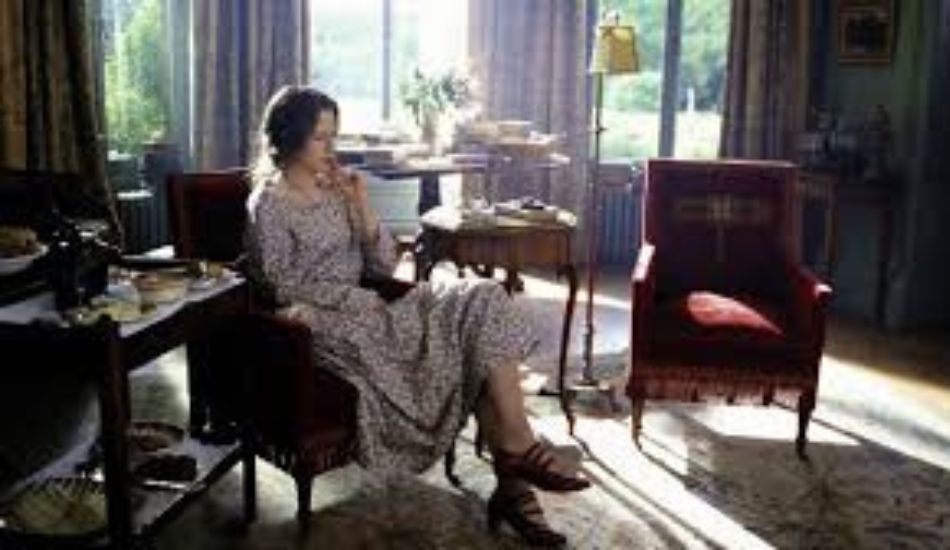
Virginia Woolf (Nicole Kidman) – Set in 1920s England, Woolf grapples with mental illness while writing her seminal novel Mrs. Dalloway. The film portrays her emotional fragility and brilliance, culminating in her tragic final act.
Laura Brown (Julianne Moore) – A 1950s housewife in Los Angeles, Laura feels trapped by her domestic life. Her emotional turmoil mirrors Woolf’s themes, particularly her yearning for freedom and identity.
Clarissa Vaughan (Meryl Streep) – In modern-day New York, Clarissa prepares a party for her friend Richard, a poet living with AIDS. She navigates her relationships and life choices, reflecting the enduring impact of literature on her existence.
The three narratives are intertwined thematically, with Woolf’s novel acting as a connective thread. The film’s exploration of identity, societal expectation, mental health, and existential angst has resonated with audiences and critics alike.
The Hours Cast
The film’s ensemble cast brought depth and nuance to each character:
Nicole Kidman as Virginia Woolf – Kidman won the Academy Award for Best Actress in a Leading Role for this performance, receiving acclaim for her subtle and immersive portrayal.
Meryl Streep as Clarissa Vaughan – Streep’s modern-day character adds emotional gravitas and continuity between past and present.
Julianne Moore as Laura Brown – Moore embodies a 1950s woman torn between societal expectations and personal desires.
Supporting cast: Ed Harris, Toni Collette, Claire Danes, John C. Reilly, Jeff Daniels, Miranda Richardson, and Stephen Dillane.
The chemistry and performances of the three leads were crucial to the film’s emotional impact, earning widespread recognition and awards.
Director and Production
Directed by Stephen Daldry, who is renowned for both theatre and film work, The Hours demonstrates meticulous attention to storytelling and character development. The screenplay, adapted from Michael Cunningham’s novel, was written by David Hare, capturing the essence of the book while creating a compelling cinematic narrative.
The film was produced on a budget of approximately $25 million, yet it succeeded in delivering powerful performances, high production quality, and thoughtful cinematography. The narrative’s intertwining timelines required careful direction, which Daldry executed masterfully.
The Hours Novel and Source Material
Michael Cunningham’s novel The Hours, published in 1998, won the Pulitzer Prize for Fiction and the Pen/Faulkner Award for Fiction. The book interweaves the lives of the three women, much like the film, drawing heavily on Virginia Woolf’s Mrs. Dalloway. Cunningham’s novel is praised for its lyrical prose, deep psychological insight, and exploration of time and mortality.
The film adaptation remains faithful to the novel’s core themes, though some plot elements were condensed to suit cinematic storytelling. The story’s universality and emotional resonance translate seamlessly from page to screen.
Music and Score
The film’s score, composed by Philip Glass, is minimalist yet haunting, reflecting the characters’ internal struggles and the contemplative tone of the narrative. The music plays a pivotal role in connecting the three timelines, enhancing the emotional and atmospheric depth of the film.
Awards and Nominations
The Hours (2002) received widespread critical acclaim and numerous awards:
Academy Awards (75th Oscars):
Nicole Kidman – Best Actress in a Leading Role (won)
Nominations: Best Picture, Best Director (Stephen Daldry), Best Supporting Actress (Julianne Moore), Best Adapted Screenplay (David Hare), among others.
Golden Globe Awards: Won Best Motion Picture – Drama and Best Actress – Drama (Kidman).
BAFTA Awards: Kidman won Best Actress.
Berlin Film Festival: Kidman, Moore, and Streep tied for Silver Bear for Best Actress.
Numerous other critics’ awards for acting, screenplay, and production design.
These accolades cemented The Hours as one of the most acclaimed films of the early 2000s.
Critical Reception
Critics praised the film for:
Its nuanced and layered performances by Kidman, Streep, and Moore.
Its faithful yet cinematic adaptation of Michael Cunningham’s novel.
The exploration of profound themes such as mental illness, sexuality, and the passage of time.
Philip Glass’s evocative score, which contributed to the reflective tone of the film.
While some critics noted the film’s slow pace and introspective nature, the overall reception was highly positive, and the film is now considered a modern classic.
Box Office and Financial Success
Production budget: ~$25 million
Worldwide gross: ~$108.8 million
Although not a blockbuster by modern standards, the film was financially successful for its budget and achieved significant cultural and critical impact, particularly in awards circles.
Availability: Watch The Hours
Netflix: The film is available in select regions; availability varies by location.
Full movie free / YouTube: Official trailers and clips are available, but the full movie may not be legally free online. Licensed platforms like Apple TV, Amazon Prime Video, or Blu-ray/DVD are recommended.
Trailer: The Hours Official Trailer #1 on YouTube
Cultural Impact and Legacy
The Hours remains an enduring drama appreciated for its sophisticated narrative and strong performances. Key points of its legacy include:
Highlighting the complexity of women’s lives across different time periods.
Raising awareness of mental health and societal pressures.
Inspiring new audiences to explore both Michael Cunningham’s novel and Virginia Woolf’s works.
Establishing the film as a thoughtful character-driven drama that continues to be studied and admired in film courses.
Its portrayal of three generations of women confronting personal and societal challenges resonates universally, making it a timeless story of human experience.
Behind-the-Scenes Trivia
Nicole Kidman wore a prosthetic nose to more closely resemble Virginia Woolf.
The three lead actresses won critical praise for conveying deep psychological and emotional nuances.
The intertwined narrative required precise editing and cinematography to maintain cohesion across the three timelines.
Stephen Daldry’s theatrical experience influenced the film’s staging, performance direction, and visual composition.
Conclusion
The Hours (2002) is a masterful adaptation of Michael Cunningham’s Pulitzer-winning novel, brought to life by the exceptional direction of Stephen Daldry and stellar performances from Nicole Kidman, Meryl Streep, and Julianne Moore. The film’s layered storytelling, haunting score by Philip Glass, and exploration of identity, mental health, and mortality make it a landmark in early 21st-century cinema. Whether watching the full movie on Netflix, streaming authorized versions, or exploring its trailers and behind-the-scenes videos, The Hours offers a profound cinematic experience that continues to resonate with audiences. For more movie insights, reviews, and entertainment updates, visit Thegoted.com.