Todd Haynes Films: A Deep Dive Into the Vision, Style, and Legacy of an American Auteur
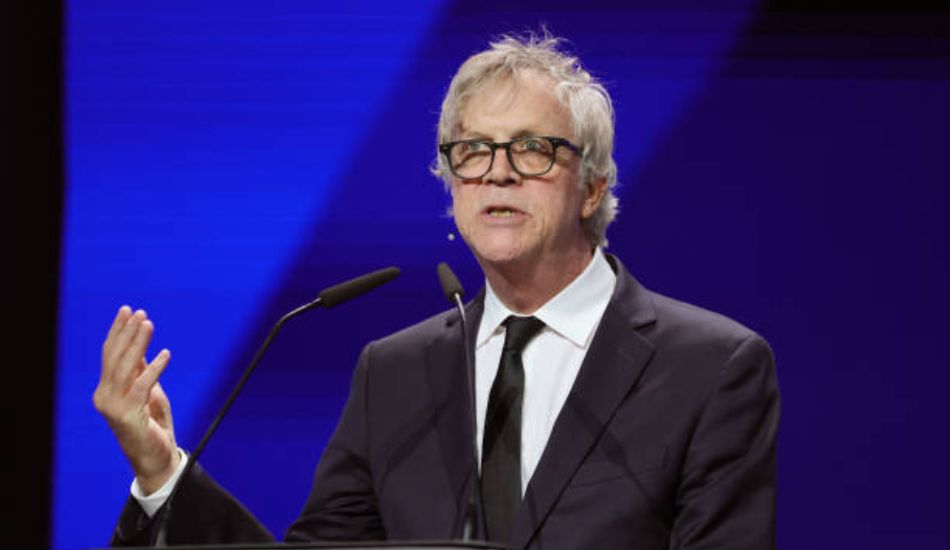
Todd Haynes stands as one of the most distinctive, intellectually bold, and emotionally charged filmmakers of modern American cinema. Over four decades, he has built a body of work defined by experimentation, genre-bending, and an unflinching commitment to queer narratives and marginalized identities. Whether reimagining a 1950s melodrama, turning a rock icon into six different characters, or crafting a psychological drama about fame and performance, Haynes continually challenges the boundaries of storytelling and identity on screen.
In this in-depth article, we explore Todd Haynes’s films, his creative themes, his controversial early work like Superstar, his relationships with actors like Joaquin Phoenix, his upcoming project De Noche, and the critical legacy that places him among the most important modern auteurs. You’ll also find insights about his IMDb history, personal life, and why his films resonate so strongly in today’s cultural landscape.
Who Is Todd Haynes?
Born on January 2, 1961, in Los Angeles, Todd Haynes grew up in an artistic environment that nurtured his interest in film, culture, and visual storytelling. He later studied semiotics and art at Brown University, a background that had a lasting impact on his directorial style. Semiotics—essentially the study of signs, meaning, and representation—became a tool through which Haynes dissected identity, performance, and social norms.
Haynes rose to prominence during the early 1990s as a key figure in the New Queer Cinema movement, a generation of filmmakers who questioned mainstream narratives of sexuality and identity. His work combined social critique with aesthetic experimentation, creating films that were both stylistically bold and emotionally rich.
Today, Todd Haynes is regarded as one of the few directors whose films seamlessly blend artistry, intellect, and genuine emotional impact, without ever sacrificing originality.
Todd Haynes’s Trademark Style
Before looking at his complete filmography, it’s important to understand what makes his movies so unique:
1. Queer Identity and Outsider Narratives
Many of Haynes’s characters exist on the fringes—socially, emotionally, or culturally. They often struggle against systems, expectations, and structures that seek to confine them.
2. Interrogation of Performance and Facades
Whether in Far from Heaven, Carol, or May December, Haynes examines performance—public, private, and emotional. His films question how much of identity is constructed and how much is authentic.
3. Genre Reinvention
Haynes often works within genres (melodrama, documentary, music biopic) only to subvert them:
Far from Heaven mimics 1950s Technicolor melodramas.
I’m Not There reinvents the musician biopic.
The Velvet Underground experiments with documentary form.
4. Visual Precision
Every frame of a Haynes film is carefully composed, using:
rich color palettes,
symbolic imagery,
controlled camera movements,
costumes and sets as psychological tools.
Todd Haynes’s Filmography: A Critical Overview of His Best Films
1. Superstar: The Karen Carpenter Story (1987)
This is the film that first put Todd Haynes on the map—though controversially. Superstar tells the life story of singer Karen Carpenter using Barbie-like dolls instead of actors. This bold creative choice made the film a cult classic, but it also led to copyright issues that prevented wide release.
Despite its legal issues, Superstar revealed Haynes as a filmmaker unafraid of pushing boundaries and challenging narrative norms.
2. Poison (1991)
His first full-length feature became a cornerstone of New Queer Cinema. Told in three intercut stories—a documentary parody, a melodrama, and a horror tale—Poison uses collage-style storytelling to explore sexuality, shame, and social paranoia.
The film won the Grand Jury Prize at Sundance, cementing Haynes’s arrival as a significant new voice.
3. Safe (1995)
One of his most haunting films, Safe stars Julianne Moore as a suburban housewife who develops a mysterious “environmental illness.”
Many film critics interpret the movie as:
an allegory for the AIDS crisis,
a critique of consumerism,
or a psychological portrait of alienation.
Its understated horror and emotional distance make it one of Haynes’s most powerful films.
4. Velvet Goldmine (1998)
A colorful, stylized glam-rock fantasia inspired loosely by David Bowie and the glam music era. The film explores:
sexual identity,
artistic reinvention,
and the culture of performance in the music industry.
While polarizing upon release, Velvet Goldmine has since become a cult classic, beloved especially within queer communities and fans of experimental music cinema.
5. Far from Heaven (2002)
This film marks one of Haynes’s most acclaimed achievements. Designed as a tribute to Douglas Sirk’s 1950s melodramas, Far from Heaven stars Julianne Moore as a suburban wife whose life unravels when she discovers her husband’s homosexuality.
Themes include:
repression,
race relations,
forbidden desire,
societal expectations.
The film received multiple Academy Award nominations and is widely considered a modern masterpiece.
6. I’m Not There (2007)
Here, Haynes revolutionized the musical biopic genre. Instead of one actor playing Bob Dylan, he cast six different actors, including:
Cate Blanchett,
Christian Bale,
Heath Ledger,
Ben Whishaw.
Each actor represented a different “identity” or stage in Dylan’s persona. The result is poetic, fragmented, clever, and deeply moving—an example of how Haynes pushes genre boundaries.
7. Carol (2015)
Based on Patricia Highsmith’s novel The Price of Salt, Carol is a romantic drama set in 1950s New York. The love story between two women—played with mesmerizing restraint by Cate Blanchett and Rooney Mara—earned global praise.
Themes explored:
forbidden love,
internal conflict,
queer desire under societal pressure.
Carol is now considered one of the greatest LGBTQ+ films ever made.
8. Dark Waters (2019)
A departure from his earlier themes, this film stars Mark Ruffalo in a legal thriller about chemical contamination. Still, Haynes’s focus on systemic oppression and moral ambiguity shines through.
9. The Velvet Underground (2021)
A documentary about the legendary rock band, combining archival footage, interviews, and avant-garde visual techniques. It demonstrates Haynes’s ability to innovate even within documentary forms.
10. May December (2023)
Haynes’s more recent psychological drama focuses on the relationship between a celebrity couple and an actress studying them for a film role. Starring Natalie Portman and Julianne Moore, it dives deeply into:
performance,
voyeurism,
manipulation,
and the blurred line between truth and image.
Critics praised it for its unsettling emotional tone and sharp character work.
Todd Haynes and Joaquin Phoenix: A Film That Almost Happened
One of the most discussed recent stories involving Haynes is the project he developed with Joaquin Phoenix.
The film—a 1930s gay romance detective drama filled with explicit queer themes—was expected to be groundbreaking. However, Phoenix reportedly dropped out just five days before filming began, creating controversy in the film press.
This project was later revived under the title De Noche, with actor Pedro Pascal reportedly being eyed for the role originally intended for Phoenix.
The story behind the Phoenix exit continues to generate discussion among fans and film critics, as this collaboration could have been one of the most daring projects in recent queer cinema.
Todd Haynes’s New Movie: De Noche
De Noche is expected to be Todd Haynes’s next major film. Early reports describe it as:
A 1930s queer romance
A detective-drama hybrid
Potentially NC-17 due to explicit queer sexuality
Set for production in Guadalajara, Mexico
Given Haynes’s track record for redefining genres and exploring themes of identity and desire, De Noche may become one of his most talked-about works.
Todd Haynes on IMDb
Haynes’s IMDb profile showcases:
Over four decades of writing and directing,
Multiple award nominations and wins,
Collaborations with some of Hollywood’s strongest performers:
Cate Blanchett
Julianne Moore
Rooney Mara
Christian Bale
Mark Ruffalo
Natalie Portman
His IMDb page highlights not only his films but also his influence across diverse genres—from queer indie cinema to historical drama to documentary.
Todd Haynes’s Personal Life: Husband? Partner?
Despite widespread online curiosity around the keywords “Todd Haynes husband”, the director’s personal life remains largely private. He does not publicly share details about a spouse, long-term partner, or relationship. Haynes has always kept his romantic life separate from his public career, choosing instead to let his films speak for his identity, values, and worldview.
Why Todd Haynes’s Films Matter Today
Todd Haynes continues to resonate because:
1. He gives voice to stories rarely seen in mainstream cinema.
Queer love, gender expression, outsider identities—these themes have shaped his entire career.
2. He understands the power of visual storytelling.
Every frame in a Haynes film is layered with meaning, symbolism, and emotional texture.
3. He redefines genres instead of repeating them.
From glam-rock musicals to 1950s melodramas, he transforms the familiar into something new.
4. He works with actors at their highest expressive levels.
Many actors deliver career-best performances under his direction.
5. His films grow more relevant with time.
In a world increasingly aware of identity, performance, and the complexity of human relationships, Haynes’s films feel more vital than ever.
Conclusion
Todd Haynes has carved a cinematic legacy defined by innovation, boldness, empathy, and a deep interrogation of identity. From the cult classic Superstar to the groundbreaking Far from Heaven and the contemporary psychological masterpiece May December, his films challenge audiences to question how identity is formed, how society shapes desire, and how art can reveal the truth beneath the surface.
As he prepares for new projects like De Noche, Haynes remains one of the most exciting and influential filmmakers of our time. His work continues to inspire critics, creators, LGBTQ+ communities, film scholars, and anyone who finds meaning in stories that challenge conformity and celebrate complexity.
Article published for: Thegoted.com