John F. Kennedy Jr: Life, Career, and Legacy
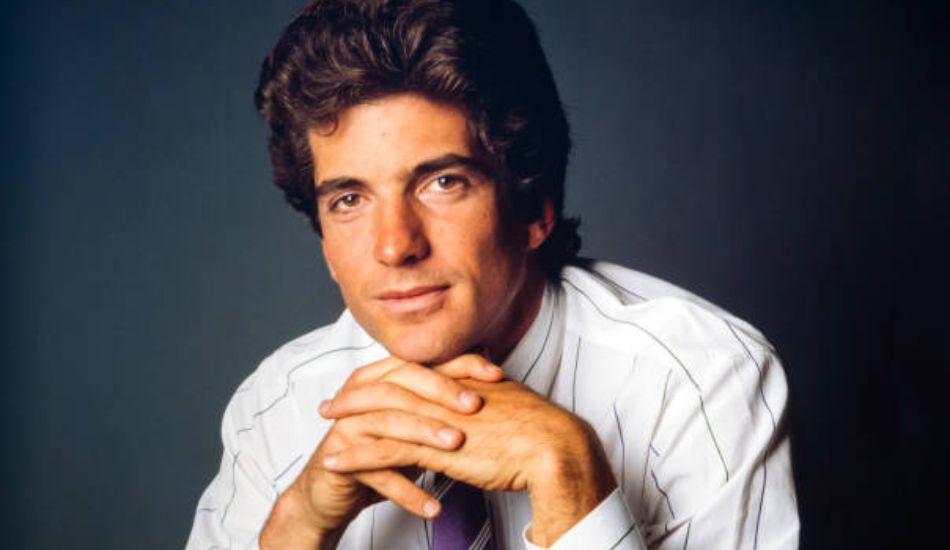
John Fitzgerald Kennedy Jr., popularly known as JFK Jr., was more than just the son of President John F. Kennedy and Jacqueline Kennedy Onassis. Born into one of the most iconic American families, he carved out a unique path in law, media, and publishing, while capturing the public’s imagination with his charisma, good looks, and charm. Despite his life being tragically cut short, JFK Jr.’s legacy endures in American culture and media history.
Early Life and Family
John F. Kennedy Jr. was born on November 25, 1960, in Washington, D.C., just two weeks after his father won the presidency. Growing up in the White House during the early 1960s, he experienced both the privileges and pressures of being part of America’s most famous political family.
His parents, President John F. Kennedy and Jacqueline Bouvier Kennedy, instilled in him a sense of public responsibility and the value of education. Tragically, JFK Jr. was just three years old when his father was assassinated in Dallas, Texas, an event that shaped his childhood and public perception.
He had one surviving sibling, Caroline Kennedy, and two siblings who died in infancy: Patrick Bouvier Kennedy and Arabella Kennedy. His nephew is Jack Schlossberg, Caroline Kennedy’s son, who continues the family’s legacy.
Education
JFK Jr.’s education reflected the prominence of his family while allowing him to pursue his personal interests:
He attended the Browning School in New York City, a prestigious prep school.
For college, he enrolled at Brown University, where he majored in American History and excelled academically.
He later pursued a Juris Doctor (J.D.) at New York University School of Law, establishing the foundation for a career in law and public service.
Despite the pressures of fame, JFK Jr. maintained focus on his education, balancing public attention with his personal growth.
Career
Law and Public Service
After earning his law degree, John F. Kennedy Jr. worked as an assistant district attorney in Manhattan, demonstrating a commitment to public service reminiscent of his father’s ideals. His work in law showcased his intelligence and dedication to justice, earning him respect in legal circles.
Media and Publishing
JFK Jr. is perhaps best known for founding George magazine in 1995, a groundbreaking political lifestyle publication. George blended politics, celebrity, and culture, making politics more accessible and engaging to younger audiences. The magazine quickly gained national attention and became a reflection of JFK Jr.’s vision for media: informative, entertaining, and socially relevant.
George Magazine highlighted notable political figures and celebrity profiles, and it became a platform for discussion of major social and political issues.
His role as publisher positioned him as a media innovator, expanding his influence beyond the Kennedy family legacy.
Public Persona
JFK Jr. was a prominent public figure, known for his charisma, style, and intellect. Frequently photographed by the media, he became an icon of American youth and sophistication. His presence at political and social events reinforced his connection to the Kennedy legacy while establishing his individual identity.
Personal Life
John F. Kennedy Jr. married Carolyn Bessette Kennedy in 1996, a union that captivated the media. Carolyn, a publicist by profession, was known for her elegance and fashion sense. The couple remained childless.
Spouse: Carolyn Bessette Kennedy (m. 1996–1999)
Children: None
Parents: John F. Kennedy and Jacqueline Kennedy Onassis
Siblings: Caroline Kennedy, Patrick Bouvier Kennedy, Arabella Kennedy
Nephew: Jack Schlossberg
Their marriage, while private, was frequently in the public eye due to the enduring fascination with the Kennedy family. JFK Jr. balanced the intense media scrutiny with his professional responsibilities and personal interests.
Books and Publications
While JFK Jr. himself did not write widely recognized books, his work with George magazine was significant:
George revolutionized political journalism by making politics engaging to the public.
The magazine offered insights into politics, culture, and social issues, combining celebrity influence with serious reporting.
Several biographies and analyses of JFK Jr.’s life have been published posthumously, reflecting his impact on media and American culture.
Tragic Death
On July 16, 1999, John F. Kennedy Jr., his wife Carolyn Bessette Kennedy, and her sister Lauren Bessette died in a plane crash near Martha’s Vineyard, Massachusetts. JFK Jr. was piloting his Piper Saratoga aircraft when it went down.
Cause of Death: The National Transportation Safety Board (NTSB) determined that the crash was caused by spatial disorientation, compounded by poor visibility over water at night.
Their deaths were widely mourned, and the tragedy marked the end of a life full of promise, leaving a lasting impact on the public and media.
Legacy
John F. Kennedy Jr. left a significant legacy:
Media Innovation: George magazine showcased his vision for modern political journalism.
Public Inspiration: JFK Jr.’s life embodied the Kennedy ideals of service, leadership, and charisma.
Cultural Influence: He became an enduring American icon, symbolizing both youth and the continuation of the Kennedy family legacy.
Despite his untimely death, JFK Jr. continues to inspire journalists, public servants, and admirers of the Kennedy family. His life demonstrated how to honor a legacy while forging a personal path in law, media, and culture.
Conclusion
John F. Kennedy Jr.’s life was a blend of privilege, responsibility, and innovation. From his early days in the White House to his pioneering work in law and publishing, he made an indelible mark on American society. His tragic death at the age of 38 cut short a promising career, but his legacy endures through his contributions to media, culture, and public service. For in-depth coverage of influential figures like JFK Jr., visit Thegoted.com for detailed articles and insights.