
Alzheimer’s Disease: Symptoms, Causes, Types, Treatment & Life Expectancy
Alzheimer’s disease is one of the most challenging medical conditions of our time. It affects millions of people worldwide and continues to rise as populations age. Even though research has advanced significantly in recent years, the disease still raises major questions about its causes, progression, treatment, and impact on families. In this comprehensive article, we will explore Alzheimer’s disease symptoms, early signs, what causes Alzheimer’s, treatment options, the 5 types of Alzheimer’s disease, life expectancy, and more.
What Is Alzheimer’s Disease?
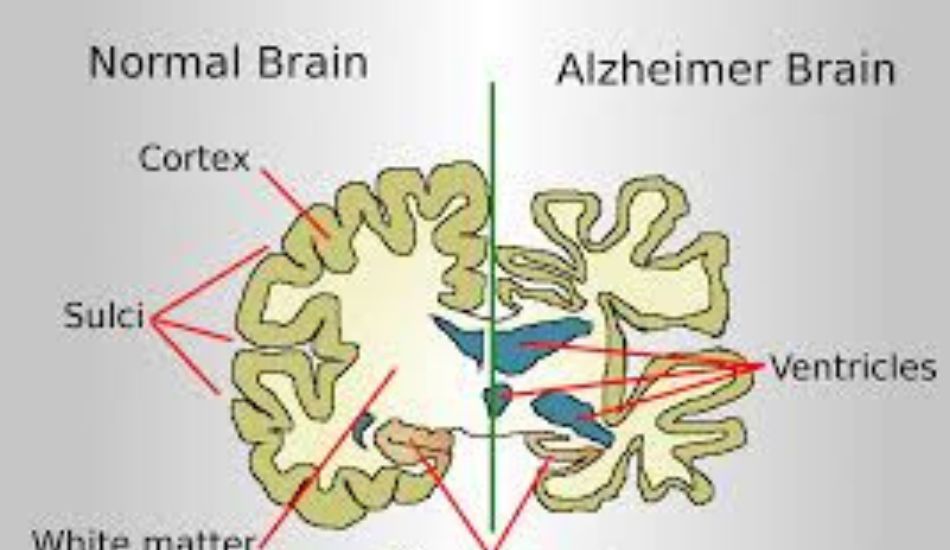
Alzheimer’s disease is a progressive neurological disorder that causes the brain to shrink and brain cells to die. It is the most common cause of dementia, accounting for 60–80% of all dementia cases globally. The disease mainly affects memory, thinking, language, and the ability to perform everyday tasks. As it progresses, people lose independence and require full-time care.
What makes Alzheimer’s particularly challenging is that it develops slowly. The brain undergoes changes long before symptoms appear. This silent phase, sometimes called the preclinical stage, can begin years—sometimes decades—before noticeable cognitive decline.
Alzheimer’s Disease Symptoms
Symptoms vary from person to person, but the most common include:
1. Memory Loss
The earliest and most noticeable symptom is memory loss, especially difficulty remembering newly learned information. A person may repeatedly ask the same questions, forget appointments, misplace items, or struggle to recall recent conversations.
2. Difficulty Solving Problems
Tasks like managing finances, following recipes, or planning events may become overwhelming. Multi-step instructions and decision-making become increasingly difficult.
3. Struggles With Daily Activities
Activities once performed easily—shopping, cleaning, cooking, driving—may become confusing or impossible.
4. Confusion About Time and Place
A person may get lost in familiar places, forget the date or season, or be unable to retrace their steps.
5. Language and Communication Issues
People often have trouble finding the right words, forming sentences, or understanding conversations.
6. Poor Judgment
Decision-making declines. People may fall for scams, dress inappropriately for the weather, or neglect hygiene.
7. Personality and Mood Changes
Alzheimer’s can cause depression, fearfulness, anxiety, aggression, social withdrawal, and mood swings.
8. Difficulty Recognizing People
In later stages, individuals may fail to recognize close family members or familiar objects.
These symptoms develop gradually but worsen over time as the disease progresses.
Alzheimer’s Disease Early Symptoms
Before the noticeable symptoms appear, subtle early signs often emerge. These include:
Mild forgetfulness of recent events
Losing track of time
Difficulty concentrating
Slight changes in mood or personality
Trouble finding words
Reduced motivation or initiative
Mild confusion when making decisions
Because these early symptoms may seem like normal aging, many people delay seeking medical advice until symptoms worsen. However, early diagnosis can significantly improve treatment outcomes and planning.
What Causes Alzheimer’s Disease?
The exact cause of Alzheimer’s remains unclear, but scientists believe it results from a combination of:
1. Brain Protein Changes
Two proteins—beta-amyloid plaques and tau tangles—build up in the brain, disrupting communication between neurons and eventually killing brain cells.
2. Genetics
While most Alzheimer’s cases are not directly inherited, genes do play a role. The APOE ε4 gene increases the risk of late-onset Alzheimer’s, but having it does not guarantee the disease.
3. Age
Age is the number-one risk factor. Most Alzheimer’s patients are 65 or older.
4. Lifestyle & Environmental Factors
Research links Alzheimer’s to:
Lack of physical activity
Smoking
Poor diet
Social isolation
Chronic stress
Sleep disorders
5. Other Medical Conditions
Heart disease, diabetes, obesity, and stroke raise the risk because they affect blood flow to the brain.
Alzheimer’s Disease Caused by Deficiency of…?
Many people ask whether Alzheimer’s is caused by a deficiency. While no single deficiency causes Alzheimer’s, studies show that certain deficiencies may increase the risk:
1. Vitamin D Deficiency
Low vitamin D levels are associated with a higher likelihood of developing Alzheimer’s or other forms of dementia.
2. Vitamin B12 Deficiency
B12 is vital for brain function. Severe deficiency may cause memory loss, confusion, and cognitive decline.
3. Omega-3 Fatty Acids Deficiency
Low DHA (a type of omega-3) may increase inflammation and reduce brain protection.
4. Choline Deficiency
Choline supports memory and neurotransmission. Lack of choline may increase cognitive decline.
However, none of these deficiencies directly cause Alzheimer’s. They simply contribute to higher risk or faster progression.
What Are the 5 Types of Alzheimer’s Disease?
Researchers generally classify Alzheimer’s into five recognized types or stages:
1. Preclinical Alzheimer’s Disease
Changes in the brain begin long before symptoms appear. The person still functions normally.
2. Mild Cognitive Impairment (MCI) Due to Alzheimer’s
Some memory or thinking issues appear but are not severe enough to disrupt daily life.
3. Early (Mild) Alzheimer’s Disease
Clear symptoms emerge:
Forgetting recent events
Repeating questions
Difficulty managing finances
Confusion about time
4. Moderate (Middle Stage) Alzheimer’s Disease
Symptoms worsen:
Behavioral changes
Wandering
Difficulty recognizing people
Reduced independence
5. Severe (Late-Stage) Alzheimer’s Disease
In this stage, the person requires 24/7 care. They may lose the ability to walk, eat, speak, or recognize family.
Types of Alzheimer’s Disease (Categorized)
Another way experts classify Alzheimer’s is by onset:
1. Early-Onset Alzheimer’s Disease
Occurs before age 65; rare but aggressive; sometimes inherited.
2. Late-Onset Alzheimer’s Disease
Most common. Occurs after age 65 and progresses more slowly.
3. Familial Alzheimer’s Disease (FAD)
A rare genetic form passed down through families.
4. Sporadic Alzheimer’s Disease
Not inherited; caused by aging and environmental factors.
These types help doctors understand risk factors and progression patterns.
Alzheimer’s Disease Treatment
While no cure exists yet, treatment focuses on slowing progression, managing symptoms, and improving quality of life.
Medications Used
Donepezil, Rivastigmine, Galantamine – Improve memory and cognition
Memantine – Helps with moderate to severe stages
Lecanemab (Leqembi) – A newer treatment approved to slow cognitive decline by targeting amyloid buildup
Non-Drug Therapies
Cognitive exercises
Regular physical activity
Memory training
Music therapy
Occupational therapy
Lifestyle Modifications
Healthy diet (Mediterranean diet is recommended)
Quality sleep
Social engagement
Stress reduction
Managing medical conditions like hypertension or diabetes
Support for Families and Caregivers
Caregiving is emotionally demanding. Many families rely on support groups, counseling, and community resources to cope with the challenges.
Alzheimer’s Disease Life Expectancy
Life expectancy depends on age at diagnosis, general health, and the type of Alzheimer’s.
Typical ranges:
4 to 8 years after diagnosis – average
Up to 20 years – in some cases, especially if diagnosed young
Early-onset Alzheimer’s tends to progress faster
Late-onset Alzheimer’s may progress more slowly depending on care
Most people live 5–10 years after symptoms become visible, though this varies widely.
Living With Alzheimer’s: A Human Perspective
The emotional impact of Alzheimer’s affects not only the patient but the entire family. Watching a loved one forget names, memories, and relationships can be heartbreaking. Yet many families find meaning in providing comfort, love, and companionship throughout the journey.
Education, early diagnosis, and compassionate care can significantly improve the quality of life for those facing this disease.
Final Words
Alzheimer’s disease remains one of the most complex and challenging conditions of our time. Understanding its symptoms, causes, types, treatment options, and life expectancy helps individuals and families prepare better. While a cure is not yet available, early intervention, proper care, and ongoing research continue to offer hope.
For more health-related guides, visit my blog: Thegoted.com