Stephen Radich: Champion of Contemporary Art and Freedom of Expression
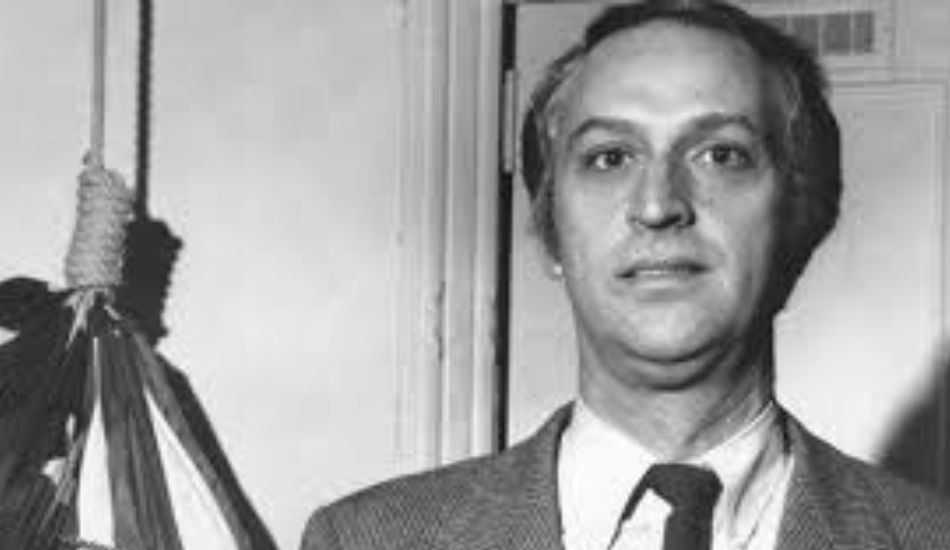
Stephen Radich (1922–2007) was a pioneering New York art dealer and gallery owner, whose career profoundly influenced the contemporary art scene of the mid-20th century. Through his gallery, Radich promoted innovative and sometimes controversial artists, bridging the gap between avant-garde art and the public while defending freedom of expression. This article explores the life, career, and legacy of Stephen Radich, his contributions to modern art, and his historical significance in the world of galleries and exhibitions.
Early Life and Education
Stephen Radich was born in 1922. While details about his parents remain sparse in public records, his upbringing and education laid the groundwork for his future role in the art world. Radich pursued higher education at Columbia University, where he studied advertising. This training provided him with foundational skills in promotion, curation, and communication—essential tools for a successful career in art dealing and gallery management.
Early Career in the Art World
Before founding his own gallery, Radich gained valuable experience working in existing art establishments. He served as director of the Martin Widdifield Gallery on Madison Avenue, New York, in 1959. This position allowed him to familiarize himself with the logistics of gallery management, client relations, and the promotion of emerging artists.
In 1960, Stephen Radich took a significant step in his career by purchasing the lease of the gallery space at 818 Madison Avenue, officially establishing the Stephen Radich Gallery. From this point onward, his name became synonymous with the promotion of avant-garde art and contemporary exhibitions in New York City.
Stephen Radich Gallery: Vision and Impact
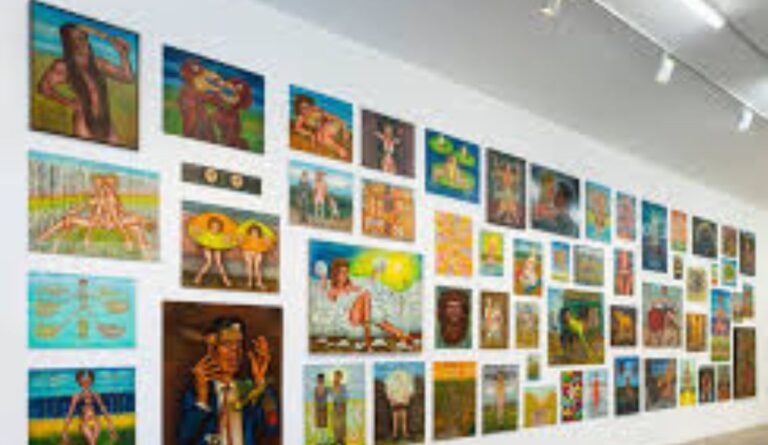
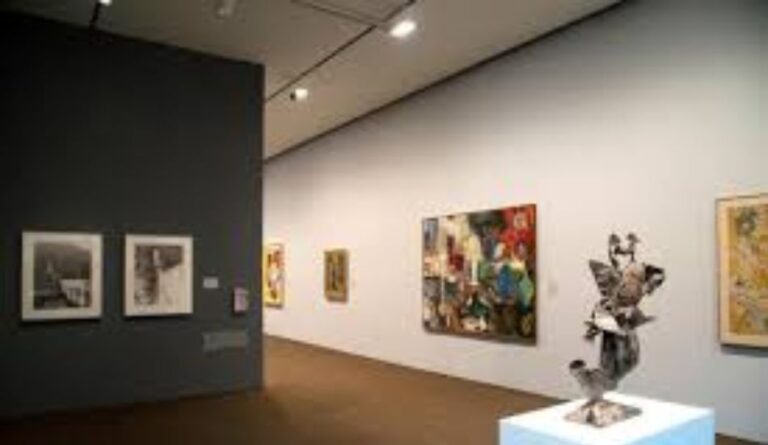
The Stephen Radich Gallery quickly became a hub for progressive and experimental artists. Radich championed innovative works that challenged conventional aesthetics and societal norms. Among the artists he represented were Yayoi Kusama, George Sugarman, Dimitri Hadzi, and Ethel Edwards. These artists were recognized for their groundbreaking approaches to painting, sculpture, and mixed media.
Radich’s gallery was not only a space for exhibitions but also a platform for cultural dialogue. He actively curated shows that sparked conversation, provoked thought, and sometimes incited controversy. His exhibitions emphasized the importance of artistic freedom and the role of galleries as spaces for experimentation and public engagement.
Legal Controversy and the Defense of Artistic Expression
Stephen Radich’s commitment to challenging societal norms came to a head in 1966 during a highly publicized legal controversy. His gallery hosted an exhibition by Marc Morrel, whose work incorporated the American flag in provocative ways as a protest against the Vietnam War. The show attracted the attention of law enforcement, resulting in Radich’s conviction for allegedly “casting contempt on the American flag.”
Radich’s conviction sparked national debate about freedom of expression in art. Many prominent figures in the art world defended his actions, emphasizing the gallery’s role in promoting discourse and challenging censorship. Ultimately, a federal court overturned his conviction in 1974, establishing a precedent that reinforced the protection of artistic freedom in the United States.
This episode highlights Radich’s courage and his dedication to upholding the rights of artists and galleries to present controversial works without fear of legal reprisal.
Notable Exhibitions and Artists
The Stephen Radich Gallery exhibited a wide range of contemporary and modern art, including:
Yayoi Kusama: Known for her pioneering use of polka dots and immersive installations.
George Sugarman: A sculptor celebrated for his colorful, abstract public works.
Dimitri Hadzi: Recognized for monumental sculptures blending modernism and classical influence.
Ethel Edwards and Xavier Gonzalez: Painters whose works captured mid-century American life and abstraction.
Radich’s exhibitions were characterized by their innovative curatorial approach, integrating challenging visual concepts with social and political commentary. By supporting such artists, he helped to shape the trajectory of contemporary art in New York and beyond.
Personal Life: Wife, Children, and Parents
Public records and archival research reveal very limited information about Radich’s personal life. There is no confirmed documentation of a wife, children, or details about his parents in major sources, including the Archives of American Art. Most accounts focus on his professional achievements and contributions to the art world, reflecting a private personal life.
Connection to Ilse Getz Danes
While Stephen Radich is known for exhibiting many contemporary artists, there is no verified evidence linking him to Ilse Getz Danes, the German-American painter. His gallery primarily showcased post-war American and international avant-garde artists, and archival records do not indicate any collaboration with Getz. Any potential connection would need further specialized research to confirm.
Legacy and Significance
Stephen Radich’s contributions to the art world are significant in multiple ways:
Championing Contemporary Art: He provided early support for many influential artists who are now celebrated internationally.
Defending Artistic Freedom: The flag-related legal controversy positioned Radich as a defender of free expression in the arts.
Curatorial Innovation: His exhibitions challenged audiences and elevated the role of galleries as spaces for cultural and political discourse.
Archival Record: His gallery’s documentation—including correspondence, catalogs, and financial records—is preserved at the Smithsonian Archives of American Art, providing a valuable resource for scholars of 20th-century art.
Through these contributions, Radich left an enduring mark on New York’s art scene and on the broader discourse about the role of galleries and art in society.
Death
Stephen Radich passed away in 2007, leaving behind a legacy of innovation, advocacy, and dedication to the arts. His gallery, records, and the impact of his exhibitions continue to influence contemporary art institutions, curators, and collectors.
Conclusion
Stephen Radich was more than a gallery owner; he was a visionary champion of contemporary art, a defender of artistic freedom, and a central figure in New York’s mid-century art scene. From representing groundbreaking artists to defending creative expression in court, his contributions shaped the dialogue between art, society, and politics. For further insights into pioneering figures in art and their legacies, visit Thegoted.com.