
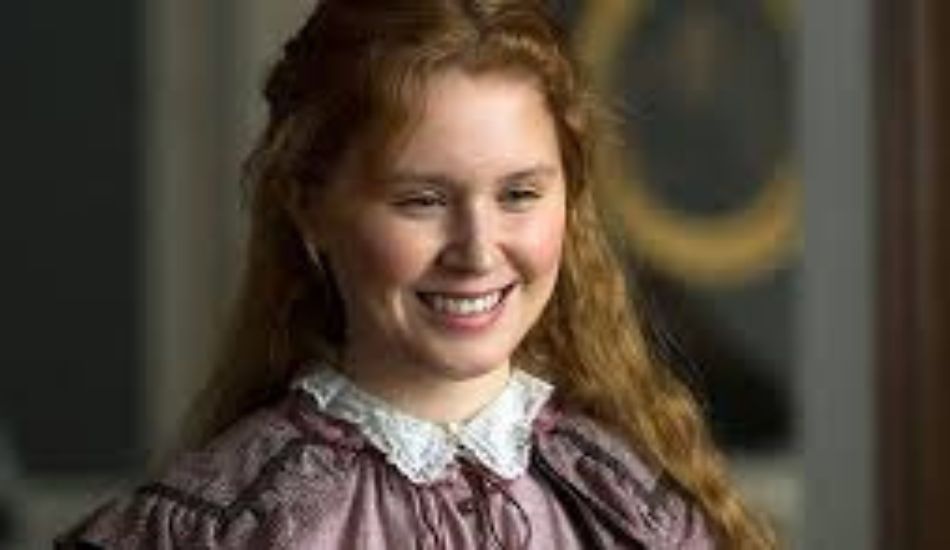
Beth March: The Gentle Heart of Little Women
In the timeless novel Little Women by Louisa May Alcott, Beth March stands out as the embodiment of gentleness, selflessness, and quiet strength. Though she is often overshadowed by her more outgoing sisters — Jo, Meg, and Amy — Beth’s character plays a pivotal role in shaping the emotional core of the story. Over the years, her character has been adapted into numerous films, TV shows, and stage productions, leaving a lasting impression on audiences worldwide. This article explores Beth March’s personality, life, relationships, portrayals in movies, her iconic death scene, and her enduring legacy.
Who Is Beth March?
Elizabeth “Beth” March is the third of the four March sisters. She is known for her shy and gentle demeanor, embodying humility, kindness, and a strong sense of empathy. Unlike her ambitious sisters, Beth finds happiness in domestic life, family, and simple joys such as music, reading, and caring for those around her.
Beth’s role in the March household is significant. She is often the quiet peacemaker, helping maintain harmony among her spirited sisters. She possesses an innate emotional intelligence, often sensing when someone is troubled and offering comfort without drawing attention to herself.
Beth March Personality
Beth’s personality is characterized by:
Gentleness: She is soft-spoken, calm, and compassionate. Her peaceful nature contrasts sharply with Jo’s fiery temperament and Amy’s ambition.
Selflessness: Beth consistently puts others’ needs above her own, such as when she tends to the Hummel family despite the risk of illness.
Shyness: She avoids the limelight and is modest about her talents and accomplishments, preferring home and family over social recognition.
Musical Talent: Beth is skilled at playing the piano, which symbolizes her gentle spirit and provides comfort to her family.
Beth represents the ideal of quiet heroism, demonstrating that strength does not always manifest in bold action; sometimes it is the willingness to love, serve, and sacrifice that defines true courage.
Beth March in the March Family
Beth’s relationships with her sisters are central to the story:
Meg March: The eldest sister often acts as a mentor and role model, and Beth admires Meg’s maturity. Their bond is tender, grounded in sisterly love and mutual respect.
Jo March: Jo’s headstrong and ambitious nature contrasts with Beth’s peaceful demeanor, yet they share a deep emotional connection. Jo is profoundly affected by Beth’s illness and death, which shapes her understanding of mortality and compassion.
Amy March: Beth and Amy share moments of warmth despite Amy’s occasional selfishness. Beth’s gentle guidance often influences Amy to consider the feelings of others.
Beth’s interactions with her family highlight her role as the emotional center of the March household, keeping the family grounded and united.
Beth March’s Role in Little Women
Beth’s life in Little Women revolves around family, home, and service. She assists with household chores, cares for younger siblings, and nurtures the family’s emotional well-being. Her actions demonstrate the quiet strength and resilience that define her character.
A turning point in the story occurs when Beth contracts scarlet fever while helping the Hummel family, a poor neighbor in need. Though she initially recovers, the illness permanently weakens her health. This event foreshadows her eventual death and serves as a crucial emotional moment in the narrative.
Beth March Death and Its Impact
Beth March’s death is one of the most poignant and memorable moments in Little Women. After surviving her initial bout of scarlet fever, she grows increasingly frail and eventually succumbs to the lingering effects of her illness.
Age at Death: Sources vary, but Beth is generally considered to be 18 years old when she dies. Some historical parallels suggest she may have been around 22-23, mirroring Louisa May Alcott’s sister Elizabeth.
Death Scene: The scene is filled with quiet sorrow and tenderness. Surrounded by her family, Beth faces her final moments with grace and serenity, reflecting her selfless nature and the love she shared with her sisters.
Impact on the Family: Beth’s passing profoundly affects the March sisters, especially Jo. It serves as a catalyst for Jo’s emotional growth, forcing her to confront loss, love, and the fragility of life.
Beth’s death is often cited as one of literature’s most moving portrayals of selflessness and familial love.
Beth March Portrayals in Film and Television
Beth has been portrayed by numerous actresses in film and television adaptations of Little Women:
Claire Danes in Little Women (1994) – Danes brought tenderness and vulnerability to Beth, perfectly capturing her gentle nature.
Anne Elwy in the BBC adaptation – Highlighted Beth’s shy and nurturing qualities.
Eliza Scanlen in Little Women (2019) – Brought a modern sensitivity to the character while staying true to Beth’s essence.
Jean Parker (1933), Margaret O’Brien (1949), and other classic portrayals – Each performance emphasized Beth’s quiet heroism and her impact on the family narrative.
Beth’s portrayals often focus on her inner strength, humility, and the emotional depth she adds to the story, making her one of the most beloved characters in literary adaptations.
Beth March and Her Legacy
Beth March’s influence extends beyond the pages of Alcott’s novel:
Symbol of Selflessness: Beth remains a symbol of quiet, selfless love, inspiring readers to value empathy and kindness.
Emotional Center of the Story: Her character shapes the narrative, influencing her sisters’ growth and highlighting themes of mortality and compassion.
Cultural Impact: Adaptations of Little Women often highlight Beth’s role, emphasizing her purity, sacrifice, and the emotional resonance of her death.
Beth’s character continues to be celebrated for her humility, grace, and unwavering devotion to family, ensuring her place in literary and cinematic history.
Interesting Facts About Beth March
Inspired by Real Life: Beth is loosely based on Louisa May Alcott’s sister, Elizabeth “Lizzie” Alcott, who also contracted scarlet fever and had fragile health.
Role in Family Growth: Beth’s challenges and eventual death serve as a critical turning point for her sisters, especially Jo, who learns compassion and emotional maturity.
Musical Talent: Beth’s piano playing is not only a character trait but also a narrative device to connect with other characters and evoke emotional depth.
Beth March and Other Characters
Meg March: Beth admires Meg and often seeks her guidance. Meg’s maturity and practicality balance Beth’s gentle nature.
Amy March: While Amy is ambitious and sometimes vain, Beth’s influence encourages empathy and consideration of others’ feelings.
Jo March: Jo and Beth share a deep emotional bond, with Jo often seeking Beth’s counsel and comfort.
Beth’s relationships highlight her central role in the March family, showing that her quiet demeanor is essential to the household’s harmony and emotional resilience.
Beth March in Movies
Beth March appears in multiple film adaptations, each capturing her essence:
Little Women (1994): Claire Danes portrays Beth with grace and emotional depth.
Little Women (2019): Eliza Scanlen’s performance emphasizes Beth’s vulnerability and kindness.
Classic Adaptations: Jean Parker, Margaret O’Brien, and Anne Elwy are among the actresses who brought Beth to life, each highlighting her gentle strength.
Beth’s portrayals consistently underline her role as the emotional heart of the March family, and her death scene remains a defining moment across adaptations.
Conclusion
Beth March is more than just a character in Little Women; she is a timeless symbol of compassion, humility, and quiet heroism. Her selflessness, musical talent, and unwavering love for her family leave a lasting impression on readers and viewers alike. From her gentle personality to her tragic yet inspiring death, Beth exemplifies the enduring power of kindness and moral integrity. For anyone exploring the depths of Little Women, Beth March is an essential study in empathy, love, and emotional strength.
For more insights into literary characters and film adaptations, visit Thegoted.com.