
Yale School of Art and Architecture: Ranking, Acceptance Rate, Degrees, Requirements & More
The Yale School of Art and Architecture stands as one of the most respected academic centers in the world for creative and architectural studies. Known for its deep history, influential faculty, and its culture of pushing intellectual boundaries, Yale’s architecture and art programs have helped shape many leading designers, architects, and artists. From its Brutalist icon Rudolph Hall to its historic arts programs first formed in the early 20th century, the institution has built a reputation for producing graduates who leave lasting marks on the built environment and global visual culture.
This article takes an in-depth look at the Yale School of Architecture ranking, acceptance rate, degree programs, Yale University architecture style, major requirements, undergraduate architecture path, and more. If you are planning to apply or simply researching one of the most prestigious creative schools in the United States, this guide covers everything you need to know.
History and Evolution of the Yale School of Art and Architecture
The story of Yale’s architecture program began in 1916, when Yale first started formal training in architectural studies under the School of Fine Arts. By 1959, the university reorganized and established the Yale School of Art & Architecture, solidifying architecture as a key academic discipline within the institution. Eventually, the art and architecture units became distinct schools, but the shared legacy continues through interdisciplinary learning, shared facilities, and overlapping creative philosophies.
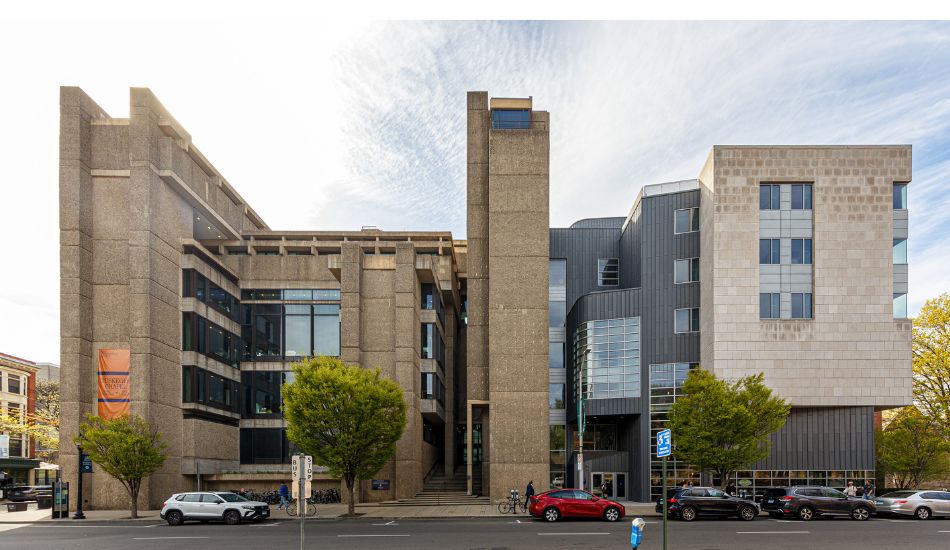
The school is known globally for Rudolph Hall, formerly the “Art & Architecture Building,” designed by the modernist architect Paul Rudolph. Completed in 1963, the building is considered a bold masterpiece of Brutalist architecture, with textured concrete facades, multi-level interior spaces, and a design that encourages movement, interaction, and experimentation.
Through decades of evolution, Yale’s architecture school has maintained a commitment to merging creative expression with intellectual inquiry—a core belief that architecture is not merely about making buildings, but about shaping culture.
Yale School of Art and Architecture Ranking
The Yale School of Architecture consistently ranks among the top architecture schools in the United States and internationally. Various surveys and professional rankings place Yale within the top tier for its design philosophy, academic rigor, and faculty influence.
Here are some consistent ranking patterns:
Frequently ranked in the Top 5–Top 10 graduate architecture programs in the United States.
Recognized globally for excellence in design education, architectural theory, and urban studies.
Considered one of the most competitive institutions for students pursuing advanced architecture degrees.
Highly recognized by employers and architecture firms due to its demanding studio culture and strong conceptual foundation.
While exact rankings vary each year, the school remains firmly among the elite architecture institutions in the world, making “Yale School of Art and Architecture ranking” one of the most searched academic queries related to architectural education.
Yale School of Architecture Acceptance Rate
Yale’s architecture programs are known for being selective, and the acceptance rate reflects this competitive nature.
For the graduate program (M.Arch I and M.Arch II), estimates show an acceptance rate around 12%–15%, depending on the application cycle.
The school typically receives hundreds of applications for a limited number of seats.
A strong digital portfolio, compelling statement of purpose, academic preparation, and letters of recommendation are essential to being competitive.
For undergraduate admission into Yale College (the entry point for the Yale Architecture major), the acceptance rate is even more selective—around 4% overall.
Applicants should understand that the school seeks individuals who demonstrate creative potential, critical thinking ability, and a strong commitment to exploring architecture beyond its technical aspects.
Yale University Architecture Style
Yale University blends diverse architectural styles across its expansive campus, creating a living museum of American architectural history. Prospective architecture students often study the campus fabric itself as a case study.
1. Collegiate Gothic
Much of Yale’s iconic look comes from Collegiate Gothic structures such as:
These buildings feature pointed arches, intricate stone carving, and academic symbolism.
2. Georgian and Federal Architecture
Earlier campus expansions included:
Classical columns and cornices
This reflects American architectural heritage from the 18th and early 19th centuries.
3. Modern and Brutalist Architecture
Yale also hosts some of the most important modernist buildings in the country:
Rudolph Hall (Brutalist)
Yale Center for British Art by Louis Kahn
Yale University Art Gallery by Louis Kahn
Various interventions by contemporary architects
This dynamic mix gives Yale students a unique opportunity to analyze architecture across eras, materials, and philosophies—all within walking distance.
Yale School of Art and Architecture Degrees
The institution offers a broad set of degrees across both the art and architecture departments.
Undergraduate Programs
Bachelor of Arts (B.A.) in Architecture – offered through Yale College, not a professional degree.
Graduate Architecture Degrees
Masters of Architecture I (M.Arch I) – for students without prior professional architecture background.
Master of Architecture II (M.Arch II) – for students with a pre-professional architecture degree.
Master of Environmental Design (M.E.D.)
Ph.D. in Architecture
Joint Degrees (such as Architecture + Management or Architecture + Environmental Studies)
Art Programs
The School of Art offers:
MFA degrees across painting/printmaking, graphic design, photography, and sculpture.
The depth and rigor of these degrees make Yale an educational environment structured to challenge and develop creative leaders.
Yale Architecture Requirements (Graduate)
Graduate architecture admissions require students to meet high academic and creative expectations.
Key Requirements:
Bachelor’s degree from an accredited institution
Digital portfolio (core component—evaluates design thinking, representation, and creativity)
Statement of purpose explaining academic goals and interest in architecture
Three letters of recommendation
GRE scores (varies by cycle; applicants must check the latest policy)
TOEFL/IELTS scores for non-native English speakers
Prerequisite courses such as studio art, architectural history, or design fundamentals
Application fee
These requirements ensure that admitted students have both the intellectual and creative readiness to succeed in Yale’s intense studio-driven environment.
Yale Architecture Undergraduate Requirements
The undergraduate architecture major at Yale is a liberal arts degree that emphasizes conceptual, technical, and historical study.
Key Undergraduate Requirements:
Enrollment in Yale College
Completion of foundation courses such as:
ARCH 150 (Introduction to Architecture)
ARCH 200 (Exploration of Design Concepts)
A history/theory course such as ARCH 280 or equivalent
Submission of a portfolio to declare the major during sophomore year
Completion of 15 course credits in architecture
Choice of concentration:
Design
Urban Studies / Urbanism
History, Theory, Criticism (HTC)
Senior requirement:
Studio sequence (Design track)
Senior thesis/project (HTC or Urbanism)
The major is not a professional license-qualifying program but serves as an academic introduction to architecture.
Yale Architecture Major: What Students Learn
The Yale Architecture major blends history, theory, design, urban planning, and research. Students are encouraged to think critically about:
The role architecture plays in society
How cities evolve
How materials, space, and form shape human experience
The environmental and cultural contexts of building design
Studio courses emphasize:
Drawing
Model-making
Digital representation
Conceptual exploration
Urban design
Research and iterative design processes
This prepares students for graduate architecture programs or careers in related fields such as:
Urban planning
Real estate development
Art and design
Environmental design
Architectural history and criticism
Campus Culture and Learning Environment
Yale’s architecture school is known for its intense studio culture, collaborative learning, and access to world-class faculty. Students regularly engage with visiting architects, critics, and scholars who shape the global discourse on architecture.
Studios often tackle real-world problems such as:
Affordable housing
Urban renewal
Environmental justice
Sustainability
Public infrastructure
This connection between theory and practice defines Yale’s educational approach.
Why Students Choose Yale School of Art and Architecture
Students from across the world choose Yale for several reasons:
Strong institutional legacy
Access to leading architects and artists
Small class sizes with personalized feedback
A campus filled with architectural history
Cutting-edge studio facilities
Cross-disciplinary opportunities
Global alumni network
The school produces graduates who go on to become recognized architects, educators, and creative leaders.
Final Thoughts
The Yale School of Art and Architecture continues to define architectural and artistic education through its strong academic foundation, competitive acceptance rate, diverse degree offerings, and unique blend of historic and contemporary architectural styles. Whether you are interested in the Yale Architecture major, graduate architecture programs, or the institution’s global reputation, Yale remains one of the most sought-after academic environments for future designers.
This article is published for readers of Thegoted.com, offering valuable insights for students researching top creative and architecture programs.