Earl of Carlisle – History, Family, Estates, and Modern Legacy
Introduction
The title Earl of Carlisle is one of the most historically significant and enduring noble titles in the Peerage of England. Held by the prestigious Howard family, this earldom has shaped British aristocracy, politics, and culture for centuries. From its first creation with Andrew Harclay to the present holder, George Howard, 13th Earl of Carlisle, the story of the earldom is a fascinating journey through history, politics, and heritage. In this article, we will explore who is the Earl of Carlisle, the age and education of the current holder, the family lineage, estates, monuments, net worth, and more.
Who Is the Earl of Carlisle?
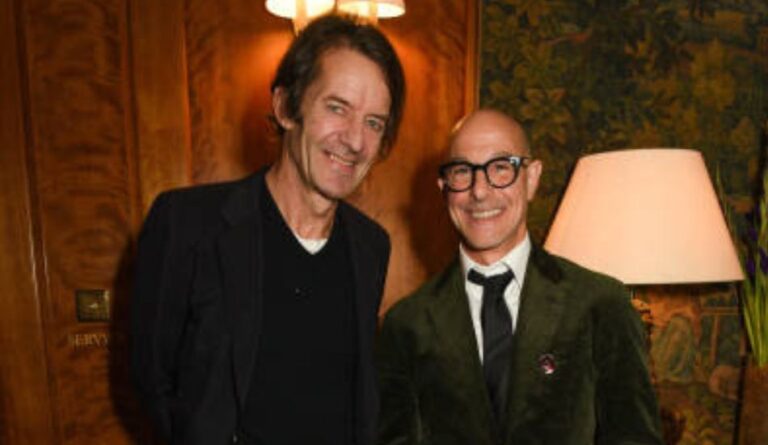
The current Earl of Carlisle is George William Beaumont Howard, 13th Earl of Carlisle, born on 15 February 1949. He inherited the title following the death of his father, Charles Howard, 12th Earl of Carlisle, in 1994. George Howard is educated at the renowned Eton College and later attended Balliol College, Oxford, reflecting the traditional aristocratic education typical of English peers.
He also served in the British Army as a Major in the 9th/12th Royal Lancers, highlighting the family’s tradition of service in both politics and the military. The Earl has been involved in public duties and continues to manage the family estates.
First Holders and Creation of the Title
The title Earl of Carlisle has a complex history with multiple creations:
First Creation: Andrew Harclay, 1st Earl of Carlisle. This early creation dates back to medieval England but was short-lived.
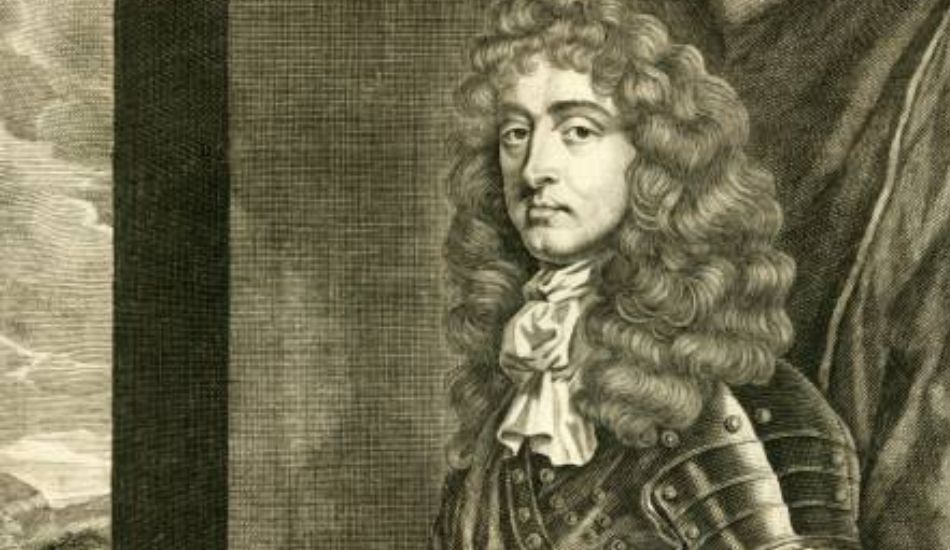
Third Creation: Charles Howard, 1st Earl of Carlisle (third creation), established in 1661. He was a descendant of the Howard family, a prominent noble family in England.
These early holders played key roles in English history, including military leadership, political influence, and estate management.
Past Holders: Frederick Howard, 5th Earl of Carlisle
One of the most notable past holders was Frederick Howard, 5th Earl of Carlisle (1748–1825). Frederick was not only a nobleman but also a distinguished diplomat, statesman, and author. He served as Lord Lieutenant of Ireland and contributed to both political and cultural life in Britain.
Other notable past Earls include George Howard, 7th Earl, who held significant political positions such as Chief Secretary for Ireland. Each Earl has contributed to maintaining the prestige and influence of the Carlisle title throughout the centuries.
Present Holder: George Howard, 13th Earl of Carlisle
George Howard continues the long legacy of his ancestors while adapting to modern times. Beyond managing estates and family affairs, he has engaged in cultural and charitable work, preserving Castle Howard and other properties for public appreciation.
Date of Birth: 15 February 1949
Age: 76 years (as of 2025)
Education: Eton College; Balliol College, Oxford
Military Service: Major in the 9th/12th Royal Lancers
Heir Presumptive: The Hon. Philip Howard, his younger brother
Howard Family and Carlisle Lineage
The Howard family has long been intertwined with British nobility, dating back to the Dukes of Norfolk. The Carlisle branch stems from Lord William Howard, son of the 4th Duke of Norfolk. Over generations, the family has maintained a significant presence in British politics, culture, and architecture.
The Earl of Carlisles family tree is extensive, encompassing multiple generations of Earls, their children, and heirs. The current lineage is carefully documented, with George Howard’s descendants continuing the family tradition.
Earl of Carlisle Estates and Home
The primary family seat is Castle Howard, located in Yorkshire. Built in the early 18th century by the 3rd Earl of Carlisle, Charles Howard, it is one of the grandest stately homes in England. Designed by architects John Vanbrugh and Nicholas Hawksmoor, Castle Howard is not only a family home but also a cultural landmark open to the public.
In addition, the Naworth Castle estate in Cumbria is another historic property associated with the family. These estates reflect the wealth, taste, and influence of the Howard family over centuries.
Earl of Carlisle Monument
The Earl of Carlisle Monument refers to memorials dedicated to past Earls, including family tombs and statues. These are often located within estate grounds, churches, or public landmarks associated with the Howard family, celebrating their contributions to English history.
Net Worth and Financial Standing
While exact figures are private, the net worth of the Earl of Carlisle is significant due to the extensive family estates, historical properties, and land holdings. Castle Howard alone represents a vast heritage asset, supported by tourism and cultural events. The Howard family continues to manage these assets responsibly while maintaining public access and conservation.
Earl of Carlisle Son and Heir
The current Earl has an heir presumptive, The Hon. Philip Howard, ensuring the continuity of the title and family estates. The Howard family tradition emphasizes passing titles and responsibilities through male primogeniture, in line with historical English peerage practices.
Connections: Howard Family and Carlisle Legacy
The Howard family has long been synonymous with the Earl of Carlisles title. Their historical influence spans centuries of British politics, culture, and architecture. Castle Howard, Naworth Castle, and other estates serve as living testaments to their legacy. The family also maintains connections with other notable figures in British nobility, ensuring that the Carlisle title remains influential in modern times.
Education and Public Life of the Earls
Education has always been a priority for the Howard family. George Howard’s attendance at Eton and Oxford reflects the traditional path of British aristocracy. Past Earls, including Frederick Howard, the 5th Earl, also pursued higher education and cultivated knowledge in politics, literature, and diplomacy.
The present Earl continues this legacy, balancing estate management, cultural heritage, and charitable involvement.
Conclusion
The Earl of Carlisle is more than a title; it represents centuries of British history, culture, and nobility. From Andrew Harclay to George Howard, 13th Earl of Carlisle, the lineage showcases the endurance of aristocratic tradition and the Howard family’s ongoing contribution to society. The family estates, including Castle Howard, continue to be landmarks of architectural and historical significance.
For readers interested in the rich tapestry of British nobility, the Carlisle earldom remains a fascinating subject, blending heritage, education, public service, and cultural influence.
For more detailed insights into British aristocracy and historic families, visit Thegoted.com — your source for comprehensive and engaging profiles.