Marie Colvin: The Fearless War Correspondent Who Risked Everything
Marie Catherine Colvin (January 12, 1956 – February 22, 2012) was an American journalist whose fearless reporting from the world’s most dangerous conflict zones brought the human cost of war into sharp focus. Working primarily for The Sunday Times, Colvin became a global icon of frontline journalism, known for her courage, empathy, and uncompromising dedication to truth. From her early education to her tragic death in Syria, Colvin’s life and work continue to inspire journalists and readers worldwide.
Who is Marie Colvin?
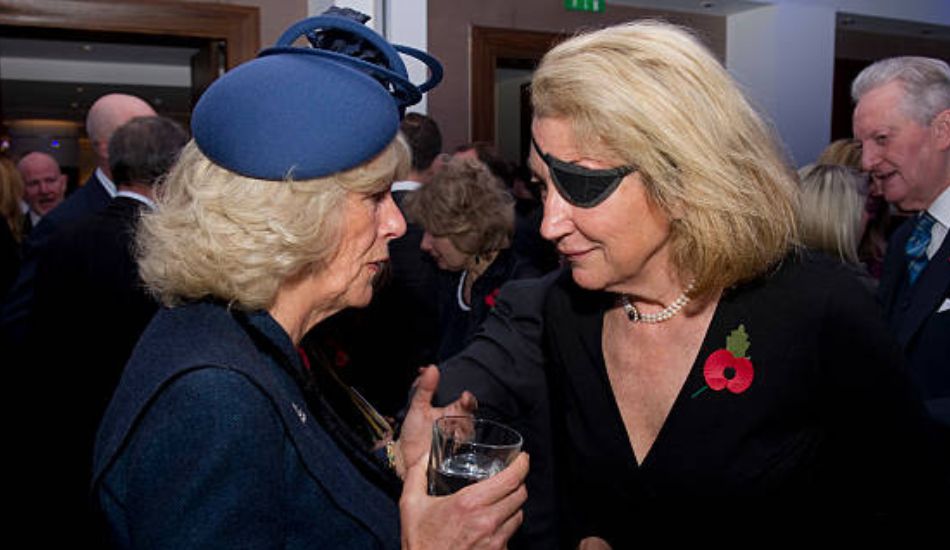
Marie Colvin was a journalist of extraordinary courage, covering wars across continents including East Timor, Sri Lanka, Chechnya, Kosovo, Iraq, Gaza, Libya, and Syria. She specialized in conflict reporting, often placing herself in direct danger to document the stories of civilians affected by violence. Colvin’s signature black eye patch, worn after losing her left eye in Sri Lanka, became a symbol of her relentless pursuit of truth in the face of danger.
Colvin’s reporting was not only about facts and figures—it was deeply human, giving a voice to the voiceless and shedding light on the suffering of ordinary people caught in extraordinary circumstances.
Marie Colvin Age and Birthday
Marie Colvin was born on January 12, 1956, in Astoria, Queens, New York City, United States. She tragically passed away on February 22, 2012, in Homs, Syria, at the age of 56. Her life, though cut short, was marked by unparalleled bravery and a commitment to frontline journalism.
Marie Colvin Education
Colvin attended Yale University, where she graduated in 1978 with a Bachelor’s degree in Anthropology. During her time at Yale, she contributed to the Yale Daily News, an experience that sparked her passion for journalism. Her academic background in anthropology helped shape her empathetic approach to reporting, allowing her to deeply understand and convey the human stories behind global conflicts.
Early Career and Rise in Journalism
Colvin began her professional journalism career at United Press International in Trenton, New Jersey, before joining The Sunday Times in 1986. She quickly gained recognition for her reporting in war-torn regions, demonstrating an extraordinary willingness to enter zones that other journalists avoided.
Her early assignments included reporting from Lebanon and the Middle East during periods of intense conflict. Colvin’s unique style combined factual accuracy with deep human insight, making her reports both informative and emotionally compelling.
Major Conflicts Covered
Throughout her career, Colvin covered numerous high-profile conflicts:
East Timor (1999): Colvin reported on the humanitarian crisis and violence following Indonesia’s occupation.
Sri Lanka (2001): During coverage of the civil war, Colvin lost her left eye to a grenade attack, an injury that would shape her iconic image.
Chechnya and Kosovo: She highlighted civilian suffering amidst ethnic conflicts and war crimes.
Iraq, Gaza, and Libya: Colvin’s reporting brought attention to the human cost of international conflicts and military operations.
Syria (2012): Colvin’s final assignment was in Homs, Syria, where she documented the siege of civilians by Syrian government forces, ultimately leading to her death.
Marie Colvin Eye Injury
In 2001, while reporting from Sri Lanka during the civil war, Colvin was hit by shrapnel from a grenade. She lost her left eye and began wearing a black eye patch, which became symbolic of her fearless dedication to journalism. Rather than retreating from danger, Colvin returned to the frontlines, demonstrating extraordinary courage and resilience.
Assassination and Cause of Death
Marie Colvin was killed on February 22, 2012, in Homs, Syria, when Syrian government forces bombarded the building where she was staying. Evidence later revealed that the attack was targeted due to her reporting. Colvin’s death was later ruled an extrajudicial killing by a U.S. court, highlighting the extreme risks faced by war correspondents in conflict zones. Her sacrifice drew international attention to the perils journalists face when exposing human rights abuses.
Personal Life: Spouse and Family
Marie Colvin was married to two journalists during her lifetime:
Juan Carlos Gumucio (m. 1996–2001), a Bolivian journalist who died by suicide in 2002.
Patrick bishop also a journalist, to whom she was married twice (both marriages ended in divorce).
There is no public record of Colvin having children. Her personal life, often intertwined with the dangers of journalism, reflected her relentless commitment to her work.
Books: On the Front Line
Colvin’s journalism was collected posthumously in On the Front Line: The Collected Journalism of Marie Colvin (2012). This compilation brings together her reports from over 25 years of frontline reporting, including stories from East Timor, Sri Lanka, Chechnya, Kosovo, Iraq, Gaza, Libya, and her final dispatches from Syria. The book remains a vital resource for understanding modern conflict reporting and the human cost of war.
Awards and Recognitions
Marie Colvin received numerous awards recognizing her courage and excellence in journalism:
Foreign Reporter of the Year, British Press Awards (2001, 2009, 2012)
Courage in Journalism Award, International Women’s Media Foundation (2000)
Journalist of the Year, Foreign Press Association (2000)
Her legacy also includes the Marie Colvin Center for International Reporting at Stony Brook University, established to inspire future generations of journalists.
Marie Colvin Film and Movies
Colvin’s life and work have been depicted in film and documentaries:
A Private War (2018): A biographical drama starring Rosamund Pike as Marie Colvin, directed by Matthew Heineman. The film portrays her dedication to frontline reporting and her final assignment in Homs.
Under the Wire (2018): A documentary detailing Colvin’s reporting in Syria and the events leading up to her death.
These films highlight her bravery, personal sacrifices, and the moral and physical dangers journalists face in war zones.
Legacy and Impact
Marie Colvin’s legacy is one of courage, integrity, and the relentless pursuit of truth. She brought global attention to conflicts that might otherwise have gone underreported, often focusing on the plight of civilians. Colvin’s work has inspired generations of journalists to report from dangerous zones and uphold the principles of investigative journalism, even at great personal risk.
Her eye patch, fearless reporting, and commitment to human rights have made her a symbol of journalistic bravery. Colvin’s posthumous recognition and the continued study of her work ensure that her contributions to journalism will never be forgotten.
Conclusion
Marie Colvin’s life was a testament to courage, dedication, and empathy. From Yale graduate to frontline correspondent, from her early reporting to her final moments in Homs, Colvin risked everything to document the truth. While she paid the ultimate price, her legacy endures through her writing, the films depicting her life, and the inspiration she continues to provide to journalists worldwide.
For more stories about courageous journalists and iconic figures in global reporting, visit Thegoted.com.